Anvisa releases tirzepatide for adolescents with type 2 diabetes from the age of ten
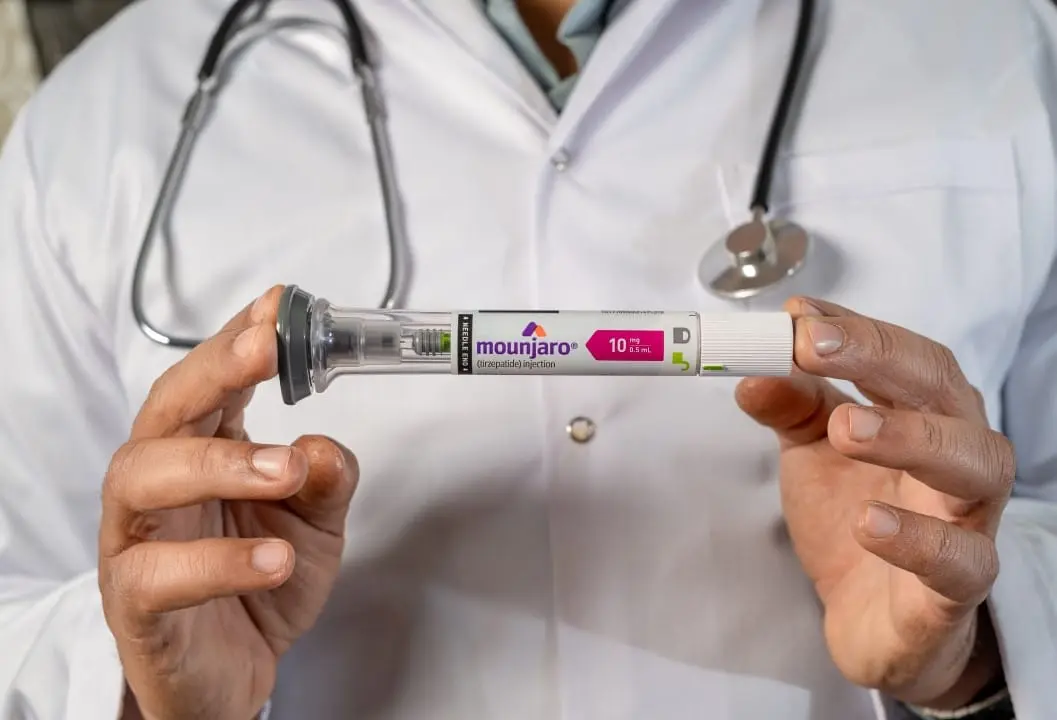
Agência Nacional of Vigilância Sanitária approved this Wednesday, April 22, the use of Mounjaro in children and adolescents aged 10 to 17 years with type 2 diabetes. The decision, formalized by Resolução-RE nº 1,592 of April 17, 2026, expands the indication of the medicine that contains tirzepatide and was restricted to adults. The approval was published in Diário Oficial of União and marks an advance in the treatment of metabolic disease in a young population.
Primeiro double medicine for young diabetics
Mounjaro becomes the first dual GIP and GLP-1 receptor agonist cleared for pediatric use in Brasil. Tirzepatide works differently from previous medications by stimulating two gut hormones simultaneously. Esse dual mechanism regulates insulin release, reduces glucose production in the liver and delays gastric emptying, resulting in better control of blood sugar levels.
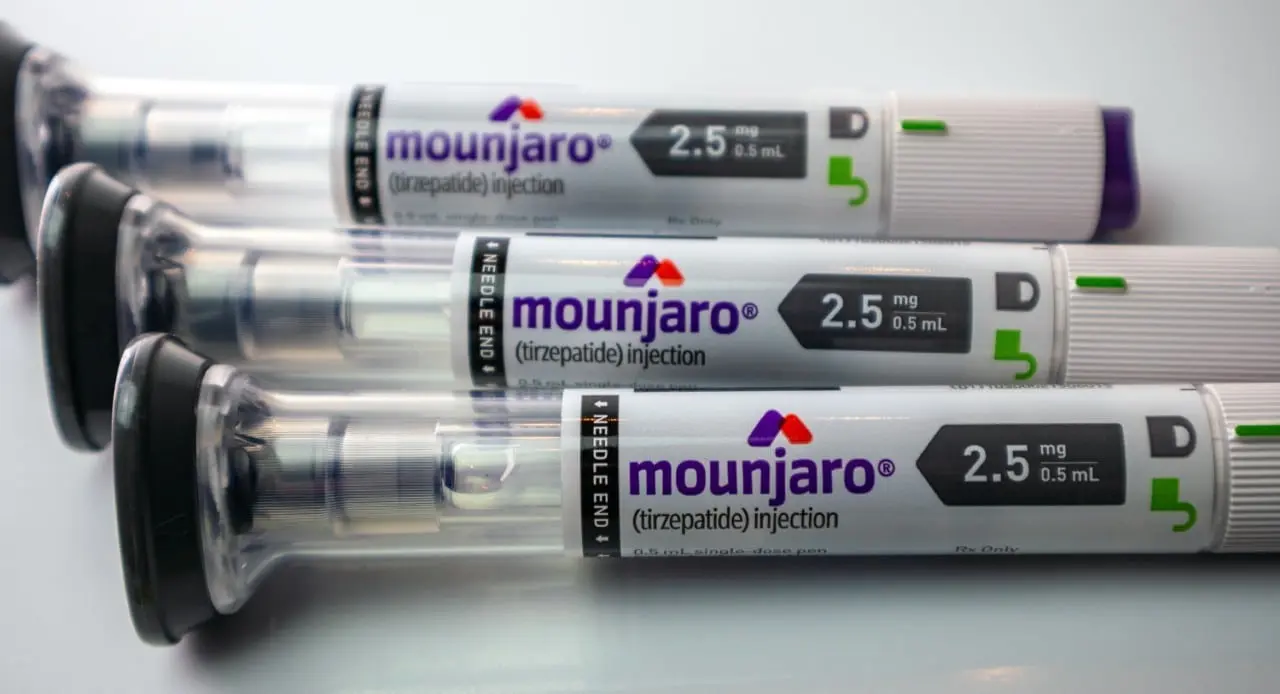
Além of glycemic control, the medicine influences appetite and metabolism. Estudos in adults demonstrated significant weight reduction. In the pediatric group, a similar effect on body mass index was observed. The approval was based on the results of the SURPASS-PEDS trial, an international phase 3 study involving young people with inadequate control of the disease even when using other treatments.
Resultados clinicians impress teenagers
The randomized, double-blind, placebo-controlled trial evaluated efficacy and safety in 10 to 17 years over 30 weeks. The group that received tirzepatide recorded an average reduction of 2.2 percentage points in glycated hemoglobin, while the placebo showed a small increase of 0.05%. With the 10 milligram dose, 86.1% of participants achieved glycated hemoglobin of 6.5% or less, a mark considered an important goal for controlling the disease.
The reduction in body mass index reached 11.2% with the highest dose in the same period. The gains were maintained when the study was extended to 52 weeks. The safety profile was similar to that observed in adults, with the most frequent adverse events being nausea, vomiting and diarrhea, most of which were mild or moderate in intensity. Não signs of new or unexpected problems have emerged in this age group.
- Aplicação by weekly injection.
- Prescrição restricted to medical specialists.
- Uso combined with balanced diet and physical activity.
- Indicação limited to type 2 diabetes with insufficient response to prior therapies.
Diabetes type 2 grows among young Brazilians
Brasil faces significant growth in cases of type 2 diabetes in children and adolescents. Estima It is estimated that 213 thousand adolescents live with the disease, while 1.46 million have pre-diabetes. One in every three cases of diabetes diagnosed at this age is type 2. Pesquisa with more than 37 thousand students aged 12 to 17 showed a prevalence of 3.3% for type 2 diabetes and 22% for pre-diabetes.
The same survey identified 8.4% with obesity and 20% with metabolic syndrome, indicating that the problem may still be underreported in the country. Fatores as excess weight, sedentary lifestyle and inadequate diet drive the condition. Brasil occupies a high position in the global ranking of diabetes cases, and the modern lifestyle contributes to the early onset of the chronic condition.
Multidisciplinary Tratamento remains essential
Especialistas defend an approach that goes beyond medicine. Mudanças in lifestyle remains the mainstay of treatment. Atividade Regular physical and balanced diet help control blood sugar and weight. Support includes a nutritionist, physical educator and, when necessary, a psychologist for emotional support.
Mounjaro does not replace healthy habits, but is an option when other measures are not enough to achieve the desired control. Individualized treatment remains essential, as each patient has a different history and response. The doctor evaluates other medications being used, comorbidities and glycemic goals. Regular monitoring includes blood tests and checking for side effects.
Vigilância post-approval and future prospects
Anvisa maintains continuous surveillance after approval. Qualquer serious adverse event should be reported by manufacturers and healthcare professionals. The objective is to detect possible signs of risk not observed in clinical trials. Pacientes and families receive clear guidance about warning signs such as persistent nausea or severe vomiting that require immediate doctor contact.
The expansion of the indication opens up a new therapeutic option for young people with poorly controlled type 2 diabetes. The country faces a growing challenge with metabolic conditions, and a greater medication arsenal can contribute to better results in the long term. Sociedade Brasileira of Diabetes and Sociedade Brasileira of Endocrinologia and Metabologia follow the topic, incorporating new evidence into updated guidelines. The objective remains to reduce complications such as cardiovascular, kidney and neurological problems that diabetes can cause over the years.