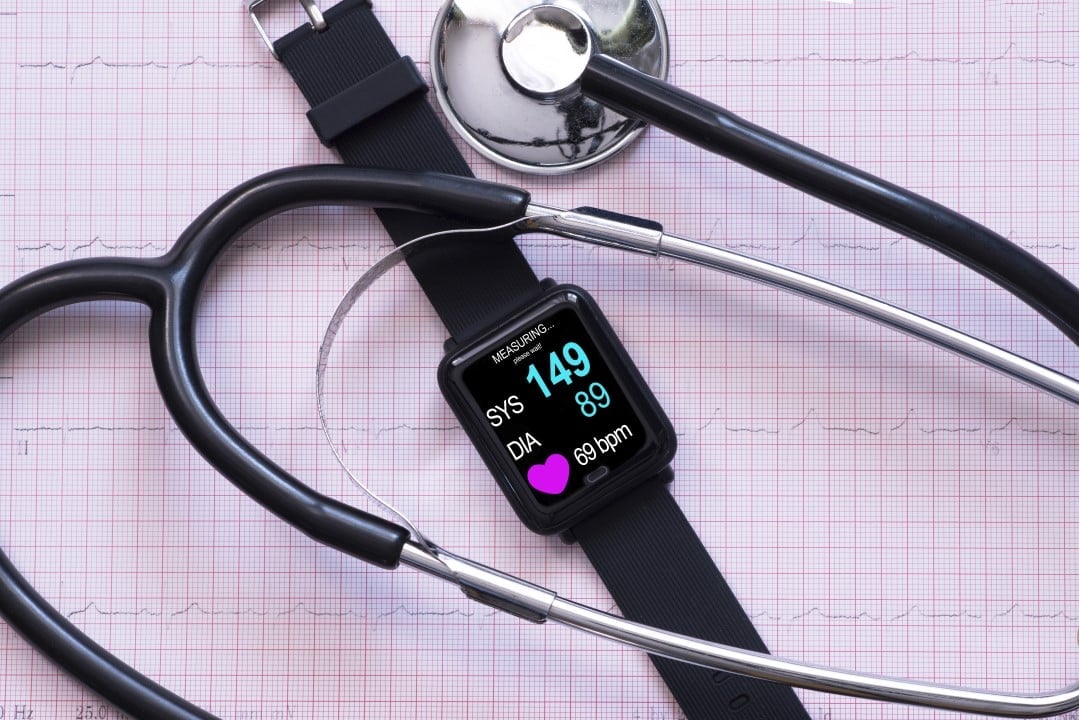
The use of wrist devices for physical monitoring has grown significantly in recent years, but the accuracy of the data captured raises questions in the scientific community. Recent Estudos point out that sensors embedded in bracelets and digital watches record significant variations when reading complex body metrics. The calculation of energy expenditure and heart rate represent the highest rates of divergence in laboratory tests. The popularization of equipment creates a false sense of absolute control over the human body.
The base technology of most devices uses LED lights directed at the skin to detect changes in blood volume. The method suffers direct interference from external elements that block or divert the light beam. Fatores as the tone of the dermis, the presence of tattoos in the wrist region and the loose fit of the bracelet compromise the capture of information. Profissionais from the medical field warn of the risks of basing restrictive diets and high-intensity training on numbers that may not reflect the user’s physiological reality.
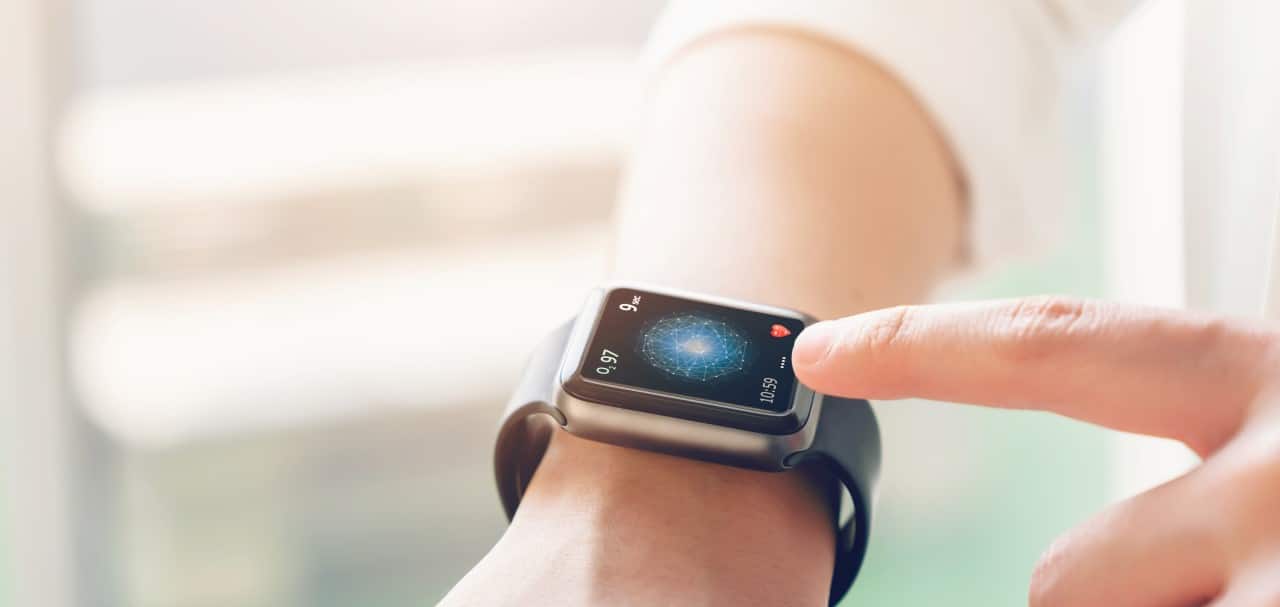
Intense Movimentos impair the reading of optical sensors
The main technical obstacle faced by manufacturers involves the stability of the equipment during sports practice. The natural oscillation of the arms during activities such as running or lifting weights creates small spaces between the optical reader and the user’s skin. Essa momentary separation allows ambient light to enter and creates noise when interpreting blood flow. The heart rate reading shows acceptable levels when the person remains at complete rest. The margin of error grows proportionally to the increase in physical effort.
High-throughput Atletas finds discrepancies that invalidate the exclusive use of the tool for performance tuning. The software developed by companies tries to correct capture errors through artificial intelligence and historical data crossing. The physical basis of measurement remains vulnerable to the laws of optics, regardless of subsequent digital processing. Monitoring night rest cycles also suffers from similar limitations. The functionality only serves as a broad behavioral indicator, with no validity for diagnosing sleep disorders.
Calorie Burning Cálculo operates by mathematical estimation
The measurement of cardiovascular work presents instabilities, and the quantification of calories eliminated poses an even greater problem for the accuracy of the records. The watch cannot directly measure the energy used by the body. The system makes an estimate based on mathematical formulas that combine movement, height, weight and age information provided at the time of registration. Cada manufacturer applies its own closed algorithm to reach the final result. Dois devices from different brands often display completely different numbers for the same training session.
The lack of a universal standard in the technology industry makes it difficult to compare results between competing platforms. Each individual’s basal metabolism has unique characteristics that generic software cannot accurately map. Fat burning and oxygen consumption vary depending on genetics, hydration level and current body composition. Users who rely solely on the device’s display may eat more food than necessary when believing in an overestimated caloric expenditure.
Principais metrics affected by external variables
The functioning of wearable devices depends on a series of ideal conditions that rarely occur in a real training environment. Excessive sweat, environmental temperature and wrist anatomy interfere with the path of light to the blood vessels. The list of impaired functions ranges from basic monitoring to advanced features sold as market differentiators.
- Frequência heart rate: The accumulation of sweat and the movement of the watch on the arm cause failures in the continuous reading of heartbeats.
- Step Contagem: Internal accelerometers record sudden hand movements such as walking, inflating the daily number.
- Gasto energetic: Proprietary formulas ignore the user’s actual metabolic rate and only deliver a statistical average.
- Blood Oxigenação: Pulse oximetry loses accuracy on cold days due to decreased peripheral circulation.
- Rest Ciclos: The system confuses physical immobility with deep sleep, generating inaccurate reports about nighttime recovery.
The complexity of the human body requires rigorous calibration equipment to obtain reliable clinical data. Mass consumption sensors play a role in encouraging daily movement, but they come up against physical barriers that are insurmountable in their current format. The miniaturization of electronic components has brought practicality at the cost of laboratory accuracy.
Especialistas recommend caution when interpreting reports
Médicos from sports and physical trainers advise the population not to treat digital watches as hospital diagnostic equipment. The main risk involves self-medication or drastic changes in eating habits based on graphs on cell phone applications. The average consumer tends to forget that the product on their wrist is consumer electronics. The tool does not have the accuracy certification required by health regulatory bodies for official medical use. The gamification of exercise creates psychological pressure for goals that can result in injuries from overtraining.
Tech companies include medical disclaimers in instruction manuals, but advertising campaigns focus on comprehensive wellness management. Professional advice points to using the data as a diary of long-term trends. The user must observe the behavior of the metrics over the months and ignore isolated spikes that deviate from the pattern. Physical Sinais such as extreme fatigue, joint pain and intense thirst represent safer biological alerts than any vibrating notification on the wrist. Carrying out periodic exams and in-person monitoring remain essential for maintaining health.
