Valve confirms launch of Steam Machine for 2026 despite global chip crisis on the market
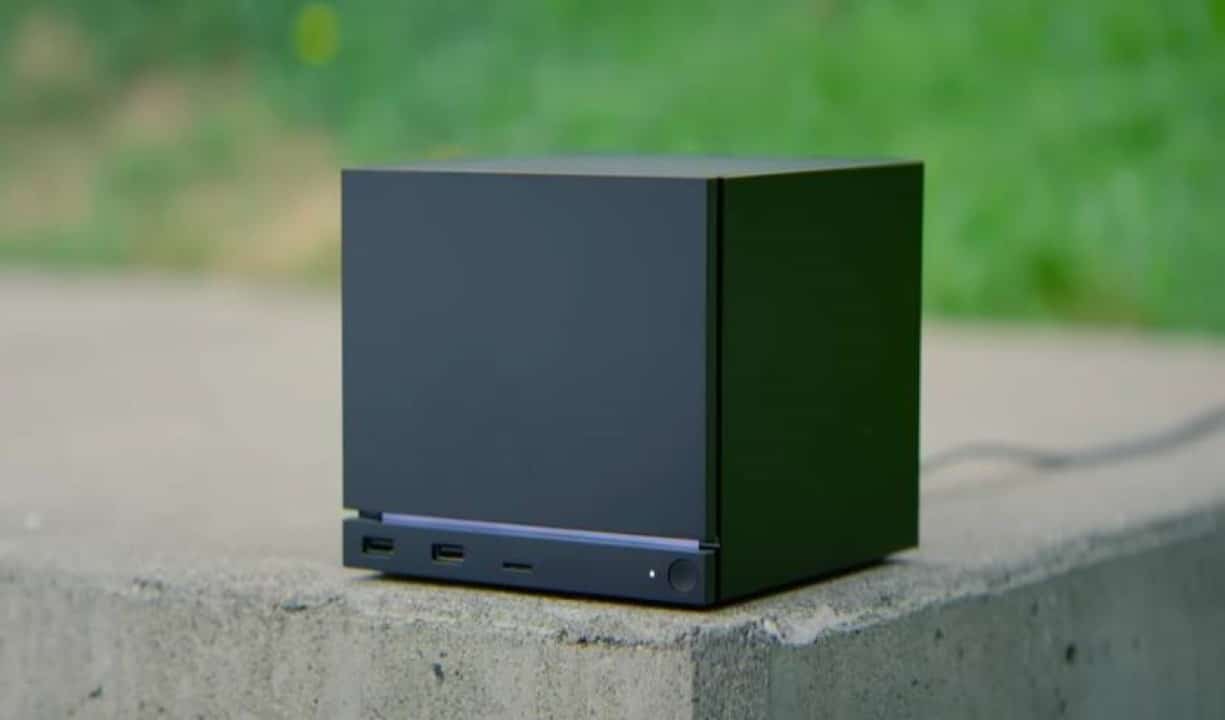
North American developer Valve guaranteed the arrival of the Steam Machine console to the consumer market in 2026. The confirmation ends recent rumors about a possible postponement of the equipment to 2027. The official positioning occurred through an update in the digital platform’s annual publication. The company reiterated its commitment to the previously established launch window.
The global technology market faces a severe constraint in the supply of electronic components. The high demand for memories intended for artificial intelligence servers has made hardware production more expensive on a global scale. The manufacturer acknowledged the current logistical obstacles. The company’s Representantes stated that problems in the supply chain will not change the planning for shipping the new devices to buyers.
The impact of the global chip shortage on the timeline
The semiconductor industry is going through a period of structural imbalance between supply and demand. The accelerated growth of artificial intelligence tools has absorbed much of the productive capacity of Asian factories. The shortage directly affects RAM memory modules and SSD storage drives. Manufacturing costs have risen considerably in recent months. Valve monitors price fluctuations to define the final value of the product.
The original text of the company’s retrospective used cautious terms about hardware availability. The initial wording mentioned a shipping expectation, which generated uncertainty among consumers and industry analysts. The communications team quickly edited the post. The new version removed any ambiguity about the year of delivery. The company assured that nothing has changed in internal distribution planning.
Arquitetura technical and performance designed for televisions
The equipment has a compact cube format in black. The approximate dimensions are 15 centimeters on each side. The design focuses on discreet integration into racks and shelves in living rooms. The internal hardware uses semi-custom components developed in partnership with AMD. The graphics architecture is based on RDNA 3 technology.
The technical specifications indicate a significant leap in processing capacity. The system delivers performance greater than six times that achieved by the Steam Deck portable device. The machine is capable of running games in 4K resolution at a rate of 60 frames per second. Ray tracing support is also part of the visuals package. The console uses frame generation technologies to maintain the fluidity of images.
The system memory configuration adopts a unified high-speed model. The equipment has 16 GB of RAM in the DDR5 standard for general operations. Graphics processing is supported by 8GB of dedicated GDDR6 memory. Consumers will have two internal storage options at the time of purchase. Available versions offer 512GB and 2TB solid state drive capacities.
Mudança strategy compared to the original 2015 project
The current initiative differs substantially from the company’s first attempt in the living room computer segment. The original design of the Steam Machines depended on third-party manufacturers to assemble and distribute the devices. The multiplicity of configurations confused the public at the time. The base operating system had compatibility issues with several popular titles. Commercial adoption of that generation was below market expectations.
The new hardware iteration adopts a centralized production model. Valve itself manages all stages of manufacturing and quality control of the device. The SteamOS operating system has undergone years of continuous refinement. The Proton compatibility layer allows native execution of games originally developed for Windows. The user interface has been optimized for navigation with traditional controls.
Ecosystem Expansão with new integrated peripherals
The launch of the main console is part of a broader hardware renewal strategy. The manufacturer is preparing to introduce complementary devices to enrich the user experience. The 2026 portfolio includes three distinct fronts of activity in the digital entertainment segment.
- The Steam Machine acts as the main processing hub for high-resolution televisions.
- The revised Steam Controller incorporates improved vibration motors and a 35-hour battery life.
- Steam Frame introduces a wireless virtual reality solution with direct ecosystem integration.
The standardization of accessories aims to simplify initial configuration for buyers. Peripherals automatically connect to the base console without the need to install additional drivers. The company seeks to replicate the ease of use found in traditional video games. The closed ecosystem ensures that software updates reach all platform components simultaneously.
Posicionamento market and commercialization expectations
The new console occupies a mid-range in the electronic games market. The proposal caters to consumers who seek the flexibility of computers without the complexity of assembling separate parts. The equipment competes directly with tabletop systems from major Japanese and North American manufacturers. Native integration with the company’s digital store represents the product’s main competitive differentiator.
The hardware will be sold exclusively through the company’s digital platform. The direct sales model eliminates intermediaries and reduces traditional retail profit margins. The strategy repeats the method successfully used in the distribution of the brand’s portable computer. Interested users can now register their interest on the product’s official page to receive notifications about the opening of pre-sales.
Defining the exact delivery schedule depends on the stabilization of the Asian supply chain. The company chose not to set a specific month for the start of shipments at this time. Logistics teams work to ensure an initial stock capable of meeting pent-up demand. Novas pricing structure information will be released in the coming months.
