Chinese automaker BYD announces recall of almost ninety thousand hybrid sedans due to serious battery system failure

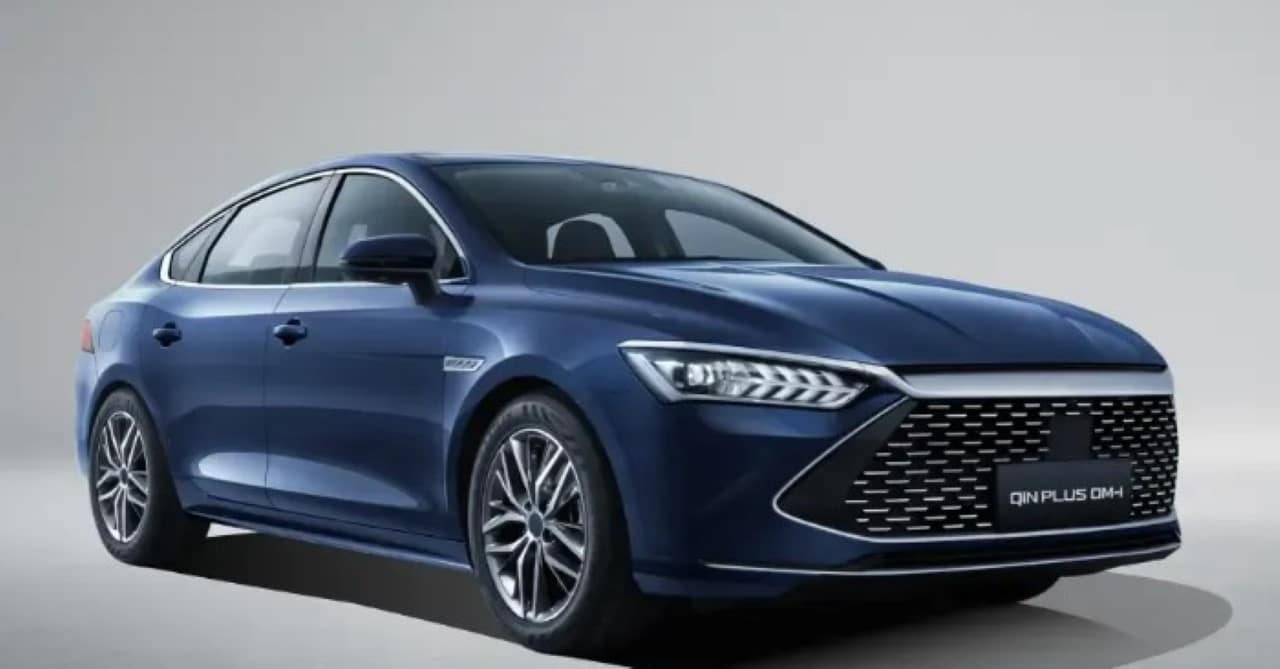
Car manufacturer BYD has begun recalling 89,811 units of the Qin Plus DM-i model for a recall in the Chinese market. The measure affects vehicles produced between January 2021 and September 2023. The call occurs after the identification of a defect in the battery controller wiring harness. The problem creates a risk of short circuit and fire. Administração Estatal of Regulação of Mercado of China (SAMR) formalized the warning to consumers.
The technical failure compromises the safety of the occupants and requires immediate intervention from the manufacturer. The defect focuses on premature wear of internal electrical components. Constant friction while driving damages the insulation of the wires. The company established an action plan divided into two stages to mitigate risks. Proprietários already receive direct notifications from local dealerships.
Origem of defect and risks in the electrical system
The central problem lies in the electrical harness that connects the battery controller to the rest of the propulsion system. The automaker detected that the component presents mechanical vulnerability during regular use of the vehicle. The natural vibration of the car causes friction between the cables and the nearby metal structure. Esse continuous contact wears out the protective layer of the wires. Exposing conductive material creates a scenario ripe for short circuits.
The failure compromises the thermal and electrical insulation of the assembly. A short circuit in this specific area causes rapid overheating. The abrupt increase in temperature can initiate a combustion process in the energy storage modules. Baterias hybrid vehicles have high energy density. Breaking this thermal stability results in fires that are difficult for traditional rescue teams to control.
BYD’s Engenheiros analyzed telemetry data from affected vehicles before issuing the recall. The onboard diagnostic system recorded electrical voltage anomalies in specific units. The investigation confirmed the direct relationship between physical wear on the harness and electronic failures. The discovery required a quick response to avoid serious incidents on public roads. The plug-in hybrid fleet requires rigorous maintenance of these high-voltage systems.
Remote Repair and Update Estratégia
The solution developed by the manufacturer involves a hybrid maintenance approach. The first phase of the repair takes place completely digitally. BYD has released a software update via the internet for all vehicles included in the call. The new code changes the monitoring parameters of the battery management system. Programming makes sensors more sensitive to abnormal variations in electrical current.
Updated software acts as a preventative layer of protection. The system cuts off the electrical supply immediately if it detects any thermal or electrical instability in the harness. The action isolates the faulty component and prevents it from overheating. The driver receives an alert on the instrument panel about a failure in the traction system. The vehicle gradually reduces power to allow a safe stop on the shoulder.
The second phase requires the physical presence of the car at an authorized workshop. Technicians perform a complete visual and instrumental inspection of the electrical assembly. The procedure follows a strict protocol established by the brand’s engineering team:
- Avaliação of the wear level on the protective cover of the main wiring harness.
- Instalação of additional insulating material in areas of greatest friction with the body.
- Substituição integral part of the component if the conductors are exposed.
- Teste high voltage system stress test to validate battery health.
The service does not generate costs for owners of Qin Plus DM-i sedans. BYD’s dealership network at China has organized a priority booking scheme to accommodate the volume of vehicles. The company advises drivers to avoid long trips until the physical repair is completed. The combination of remote updating and mechanical intervention guarantees the definitive resolution of the structural problem.
Impacto in the new energy vehicle industry
The recall highlights the technical challenges inherent in the rapid expansion of the electrified vehicle market. The complexity of electrical systems demands increasingly strict quality standards on the assembly line. BYD leads global sales in this segment. The recall of almost 90 thousand units tests the response capacity of the automaker’s after-sales network. Transparency in reporting the defect minimizes damage to the brand’s reputation among consumers.
The transition to electrified platforms changes the nature of automotive failures. Problemas traditional mechanics give way to anomalies in software and high voltage networks. Reliance on remote updates transforms the way manufacturers manage security crises. Correction via programming code reduces the time exposed to risk. Physical intervention remains essential for material wear defects.
The volume of data generated by connected cars makes it easier to identify batch failures early. The automaker used the information transmitted by the vehicles themselves to define the affected manufacturing period. Accuracy in tracking avoids unnecessary recall of units outside the scope of risk. The logistical efficiency of the recall demonstrates the maturity of the company’s internal processes in the year 2026.
Regulação rigorous and continuous monitoring
The performance of Administração Estatal of Regulação of Mercado of China reflects the tightening of vehicle safety policies. The government body closely monitors incidents involving traction batteries in the country. The requirement for detailed reporting on the root causes of defects forces automakers to improve their quality controls. The Chinese agency has the authority to suspend sales of models that present unresolved systemic risks.
The Chinese automotive market serves as a global laboratory for electric mobility. The guidelines established by SAMR influence engineering practices in other regions of the world. BYD exports vehicles to several continents. The learning gained from the recall of the Qin Plus DM-i on the China serves as a basis for the development of more resistant wiring harnesses in future projects.
The automotive industry consolidates the view that safety in electrified vehicles requires constant vigilance. The life cycle of a battery involves chemical degradation and mechanical stress over the years. Preventive maintenance takes on new contours with the digitalization of diagnostics. BYD’s resolution of the case sets a precedent for manufacturers’ continued liability after the sale. Active monitoring of the circulating fleet remains the main tool for preventing serious accidents.
