
Qualcomm’s CEO traveled to Sul’s Coreia in late April 2026 to align manufacturing strategies. Cristiano Amon conducted meetings with Samsung Electronics leadership. The main objective involves the production of the Snapdragon 8 Elite Gen 6 processor. The component will use two nanometer technology. The move indicates an attempt by the American company to diversify its supply chain. The design of the new chip has already been finalized. The information was confirmed by the executive himself during the CES technology fair at the beginning of the year.
The negotiation seeks to reduce dependence on a single supplier in the advanced semiconductor market. The chipmaker currently focuses its cutting-edge production on other Asian facilities. The strategic move aims to guarantee delivery volume for the coming years. The global industry faces high demand for components aimed at artificial intelligence. The agreement with the South Korean giant could change the balance of forces in the sector. The conversations are still in the technical and commercial alignment phase.
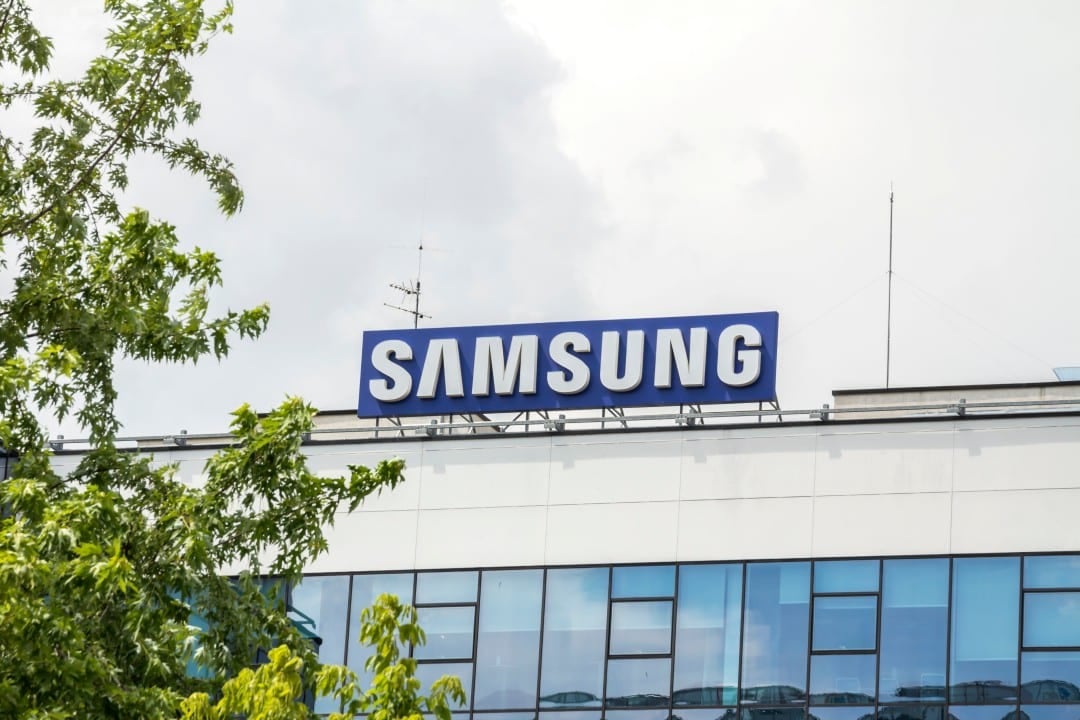
Encontro in Coreia of Sul defines directions for semiconductor production
Negotiations took place directly with the president of the Samsung foundry division. Han Jin-man welcomed the American delegation to detail the use of the process known as SF2. Esta technology represents the Asian company’s advancement in two-nanometer lithography. The discussions advanced on the basis established in previous months. The focus is on mitigating operational risks. Exclusive dependence on a single factory creates vulnerabilities in the global technology supply chain.
Samsung’s manufacturing division is trying to regain its share in the ultra-high-performance chip segment. The company has made massive investments in SF2 process improvements recently. The technology already demonstrates practical results in the current market. The Exynos 2600 component equips specific versions of the Galaxy S26 smartphone in selected regions. The credibility of the South Korean operation gained strength after a recent contract. The manufacturer reached a major agreement with automaker Tesla to supply chips for automotive artificial intelligence systems.
Disputa of prices and production capacity in the global market
The recent history between the two companies has ups and downs. Qualcomm transferred its main production to Taiwanese TSMC in 2022. The move occurred after technical problems with the Snapdragon 8 Gen 1 processor. The component manufactured by Samsung in four nanometers experienced overheating failures. Production yield was also lower than expected at the time. TSMC has since taken over manufacturing the Elite line. The current situation shows a different scenario with new commercial offers on the table.
The financial factor weighs significantly in the current round of negotiations. Samsung has a considerably more aggressive price list than its main competitor. The difference in values attracts the attention of American executives. The production cost directly impacts the profit margin of the final devices.
- A two-nanometer silicon wafer at TSMC costs approximately $30,000.
- Samsung offers the same volume in the SF2 process for values close to US$ 20 thousand.
- The price difference represents a saving of around 33% for the chip manufacturer.
- The dual supply strategy guarantees security against production bottlenecks.
- The design of the Snapdragon 8 Elite Gen 6 allows adaptation to different assembly lines.
Supplier diversification protects the company against factory saturation. Clientes, heavyweights like Apple and NVIDIA tend to reserve a large part of TSMC’s production capacity. Esta concentration limits space for other companies in the technology sector. The South Korean alternative allows Qualcomm to adjust its volumes according to actual market demand. Flexibility is essential to serve cell phone manufacturers with the Android system around the world.
Desafios advanced lithography technical and performance
The favorable financial aspect comes up against factory engineering issues. The yield of the SF2 process still raises concerns among industry experts. The success rate in manufacturing the chips remains a critical point of attention for the viability of the contract. Relatórios from the industry point out that the utilization rate operated at around 55% in mid-April 2026. The number is below the 60% level. Este percentage is considered the minimum acceptable for stable large-scale production.
The semiconductor manufacturing process involves multiple complex steps. Após the finalization and packaging phases, the effective performance of the components may suffer further drops. Estimativas indicate that the real utilization rate could drop to around 40%. TSMC, on the other hand, maintains operations with rates between 60% and 70% at the equivalent technological node. The difference in technical efficiency requires precise calculations about the cost-benefit of changing suppliers.
The South Korean company works on developing solutions to overcome these limitations. Engineers prepare an improved version of the current technology. The new standard is technically named SF2P. Projections indicate gains of up to 12% in processing speed. Energy efficiency should register an improvement in the range of 25%. The physical size of the chip could also shrink by about 8%. Volume production of this upgrade is scheduled for the second half of 2026. The schedule will directly influence the signing of definitive contracts.
Impacto directly on high-performance smartphones
The mobile device industry’s release schedule depends on these industry definitions. The Snapdragon 8 Elite Gen 6 processor will serve as the main engine of the next generation of high-end devices. The arrival of this equipment on the consumer market is scheduled for 2027. The list of products includes models that are highly anticipated by the public. The Xiaomi 18 and the OnePlus 16 are among the first in line. The Samsung Galaxy S27 itself is also expected to adopt the platform in specific markets.
The choice of the factory responsible for assembling the chip does not change the launch date of the cell phones. The real impact will be felt on the cost structure of electronics manufacturers. Cheaper production can avoid price transfers to end consumers. The initial availability of devices in stores also depends on the volume of chips delivered in the first few months. Technology companies monitor negotiations closely to plan their sales strategies.
The executive’s agenda at Ásia included meetings with other giants in the technology sector. Cristiano Amon held meetings with representatives of SK Hynix. The conversations covered the supply of advanced memory modules. The components are essential for artificial intelligence servers and data centers. The delegation also visited the LG Electronics facilities. The dialogue focused on collaborations focused on physical artificial intelligence. The scope covers high-fidelity audio products and automotive electronics systems. Nenhuma of the companies released official confirmations about the signing of contracts. Technical and commercial assessments are ongoing and should present results over the next few months.
