Cuba reacts: Díaz-Canel qualifies the US complaint against Raúl Castro as a political maneuver without legal basis
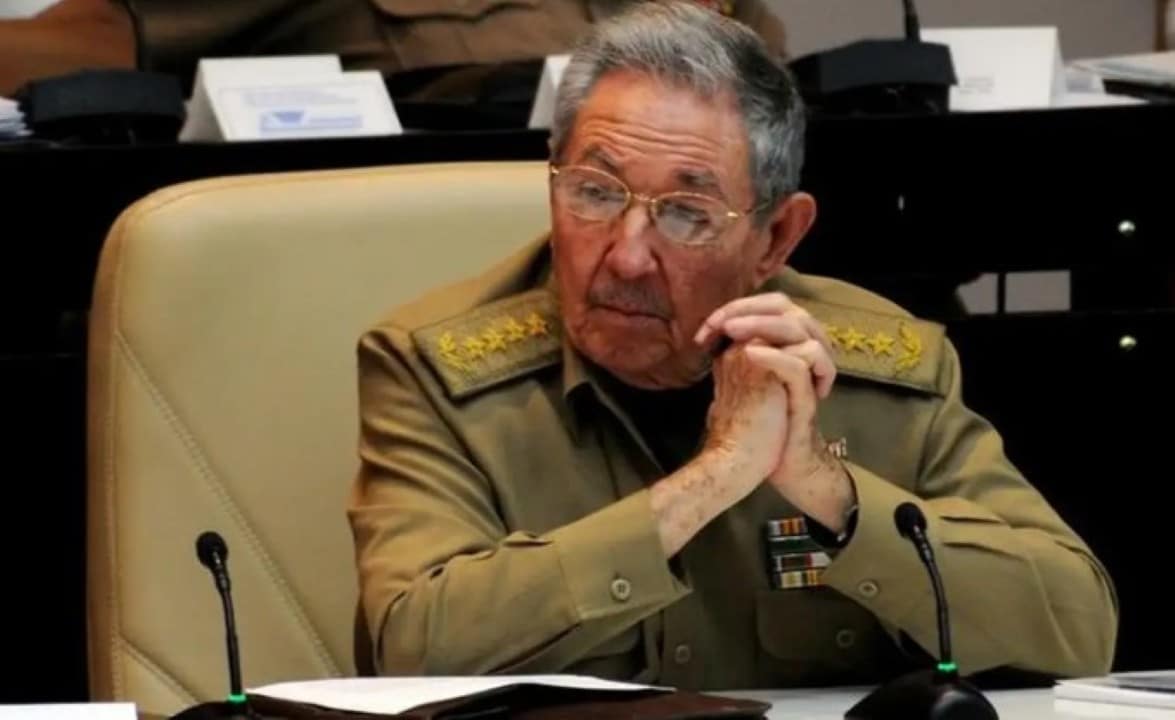
The president of Cuba, Miguel Díaz-Canel, declared this Wednesday (20/5) that the accusation presented by the Estados Unidos government against former Cuban president Raúl Castro is a “political maneuver without any legal basis”. The public demonstration occurs amid increased diplomatic tensions between Washington and Havana, intensified by recent measures by the US administration.
Nas social networks, Díaz-Canel vehemently defended the ally, stating that the measure announced by the US aims to justify continued aggressive actions against the Caribbean island. The Cuban leader reiterated Revolução Cubana’s unshakable determination in the face of external pressure.
Cuban Rejeição to Washington’s complaint
The alleged accusation against the Exército Raúl Castro Ruz general, recently released by the US government, “only reveals the arrogance and frustration that representatives of the empire feel towards the unshakable determination of Revolução Cubana”, wrote president Díaz-Canel. Ele used strong terms to characterize the American initiative, highlighting the perception of an action motivated by political interests. Havana’s position reinforces the confrontational stance in relation to sanctions and accusations coming from Estados Unidos.
Cuba has historically challenged the legitimacy of accusations coming from Washington, often classifying them as attempts to destabilize the regime. Díaz-Canel’s reaction follows a pattern of defense by the country’s historic leaders. The Cuban government maintains the narrative that such accusations have no legal basis and serve only US foreign policy purposes.
1996 Episódio and claim of self-defense
Díaz-Canel stated that the Estados Unidos “lie and distort” the facts related to the shooting down of two aircraft from the organization Brothers to the Rescue, which occurred in 1996. Segundo the Cuban president, Cuba acted in “self-defense” after successive and dangerous violations of the country’s airspace. The Cuban version of the incident differs substantially from the American narrative.
“On February 24, 1996, Cuba acted in self-defense within its territorial waters, following repeated and dangerous violations of our airspace by notorious terrorists,” stated Díaz-Canel. The issue of airspace and national sovereignty is a central point in Cuban defense. Havana’s government maintains that the downed aircraft posed a real threat.
US accusations against former president Castro
The accusations formalized by Estados Unidos against Raúl Castro are multiple and serious, including:
- Conspiração to kill American citizens
- Aircraft Destruição
- Homicídio
The former Cuban president, aged 94, is said to be responsible for ordering the attack against the two civilian aircraft. The planes were linked to the Cuban-American exile group Brothers to the Rescue. Esse episode resulted in the deaths of four people, three of them being US citizens.
The complaint is a direct consequence of the toughening policy that the US administration has applied against regimes considered adversaries in the América Latina. Essa posture has been a trademark of the current management. The legal and political implications of the case are significant.
The escalation of tension between the two countries
The accusation against Raúl Castro further heightens the already heightened tension between Washington and Havana. Este movement comes in a period of stricter foreign policy by the Trump government against regimes considered antagonistic in América Latina. Bilateral relations remain at a critical point, with few prospects for dialogue.
The complaint also amplified speculation about a possible broader US operation against Cuba. Alguns analysts compare the situation to that previously conducted against the Venezuelan leader Nicolás Maduro, currently detained in Nova York on charges linked to drug trafficking. Tais comparisons indicate the seriousness with which Washington is treating the Cuban issue. Pressure on the Cuban government appears to have intensified considerably in recent months.
Posicionamento and defending Castro’s ethical stature
In the post on his social networks, Cuban leader Miguel Díaz-Canel also stated that Raúl Castro has an “ethical stature” and a “humanist spirit.” Segundo Díaz-Canel, these qualities would prevent any attempt to defame the former Cuban president. The president seeks to reinforce the image of his predecessor, countering American accusations.
The defense of Raúl Castro’s moral integrity is a recurring element in the Cuban government’s rhetoric. Essa strategy aims to disqualify the complaints, presenting them as personal and unfounded attacks. The Cuban government reiterated its unconditional support for its leaders.
President Trump had already declared in March that Cuba “will fall very soon” and stated that he could “do whatever he wants” in relation to the country. Tais public statements highlight Casa Branca’s aggressive stance towards Cuba. The rhetorical escalation contributes to a scenario of greater instability in the region. The future of diplomatic relations remains uncertain.
