Honda WR-V 2026 and Volkswagen T-Cross 2026 compete in the compact SUV market with different proposals

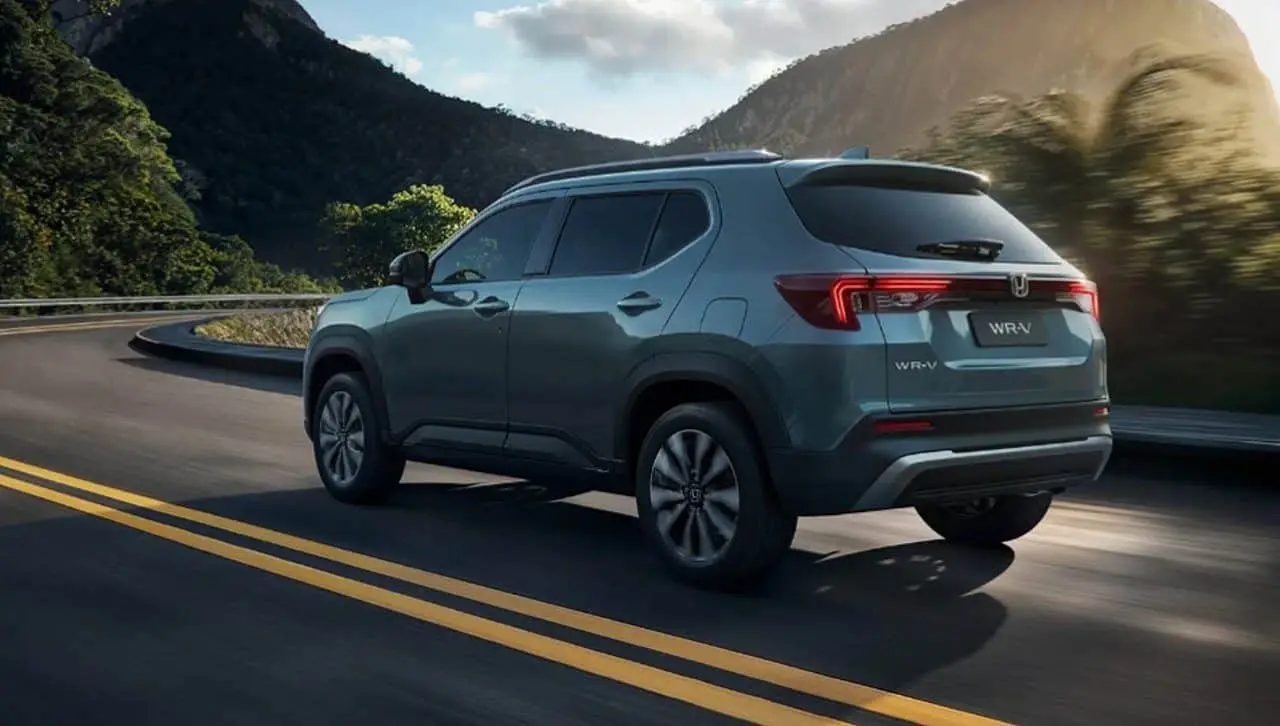
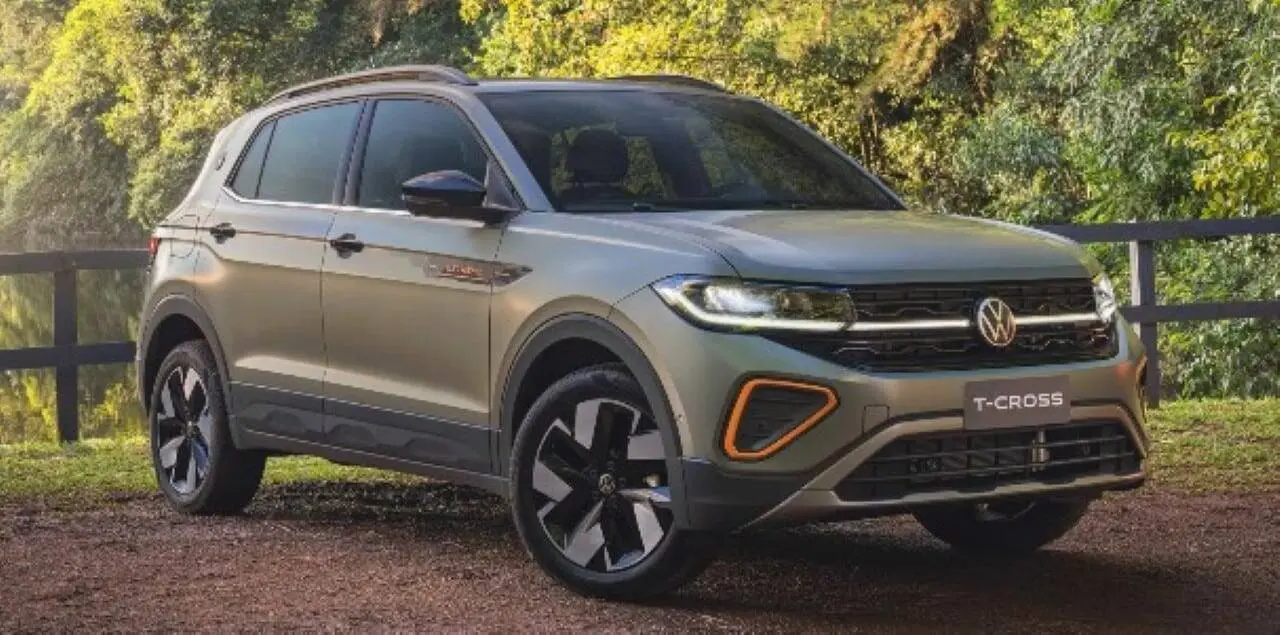
The Brazilian automotive market registers a new phase in the competition for the sports utility vehicle segment with the arrival of the Honda WR-V 2026. The Japanese model arrives at dealerships with a starting price in the range of R$ 145 thousand. The new product directly faces the Volkswagen T-Cross 2026. The German utility vehicle maintains leadership in the category with a broader catalog and prices starting at R$120,000. Competition between automakers is driving the sector this year.
Choosing between the two vehicles requires a detailed analysis of technical specifications and equipment packages. Consumers will find different mechanical proposals at dealerships. The Japanese brand bets on the reliability of the naturally aspirated engine and the increased internal space to attract families. The German manufacturer focuses on the performance of turbo engines and the variety of versions. The daily use profile determines the best purchase option.
Mechanical Conjunto opposes aspirated engine and turbo thrusters
The Honda WR-V 2026 arrives exclusively equipped with the 1.5 flex four-cylinder engine with natural aspiration. The mechanical package develops 126 hp at 6,200 rpm. Maximum torque reaches 15.8 kgfm when fueled with ethanol. The automaker’s engineering team coupled the engine to a CVT automatic transmission. The box simulates seven virtual gears to optimize consumption. Acceleration from zero to 100 km/h takes approximately 11.5 seconds.
The 2026 Volkswagen T-Cross adopts a different strategy under the hood. The model offers the 1.0 turbo 200 TSI engine in entry and intermediate configurations. The unit generates up to 128 hp with ethanol and delivers 20.4 kgfm of torque at low speeds. The transmission is always a six-speed automatic with a torque converter. The more expensive versions receive the 1.4 turbo 250 TSI engine. Este top package produces 150 hp and 25.5 kgfm of force. Agility in urban traffic favors the European utility vehicle.
Energy efficiency numbers reflect each manufacturer’s engineering choices. The Japanese utility vehicle records averages of 12 km/l in the urban cycle and 12.8 km/l on the highway with gasoline, according to Inmetro. The use of ethanol reduces the rates to 8.2 km/l and 8.9 km/l, respectively. The German competitor has competitive consumption on the road. Relatos owners report up to 14 km/l on road trips on gasoline. The turbo engine’s abundant low-speed torque makes it easier to get up to speed.
Body Dimensões and load capacity define comfort
The Honda Global Small Car platform serves as the basis for the brand’s new sports utility vehicle. The vehicle measures between 4.32 meters and 4.33 meters in total length. The width reaches 1.79 meters. The height of the body is 1.65 meters. The 2.65 meter wheelbase guarantees ample legroom for rear seat occupants. The ground clearance measures approximately 22 centimeters. Esta height facilitates the crossing of ditches and speed bumps in Brazilian cities.
The measurements of the Volkswagen T-Cross 2026 are slightly smaller at specific points on the body. The ground clearance of the German model is close to 20 centimeters. The main difference appears in the luggage transport capacity. The trunk of the European vehicle varies from 373 liters to 420 liters in the VDA measurement standard. The Asian competitor’s compartment accommodates 458 liters of useful volume. The numerical advantage benefits drivers who make frequent trips with the entire family.
Pacote technology and security items in different versions
Automakers structured sales catalogs with different equipment levels. The Honda WR-V 2026 arrives in two main configurations. The EX version costs between R$144,990 and R$147 thousand. The top-of-the-line EXL option requires an outlay of R$149,990 to R$154,000. The 2026 Volkswagen T-Cross has a more fragmented range. The basic option Sense 200 TSI starts at R$119,990. The 200 TSI and Comfortline variants cost between R$155 thousand and R$175 thousand. The Highline and Extreme models surpass the R$189,000 mark.
The list of standard equipment for the Japanese utility vehicle focuses on standardization starting from the cheapest version. The package includes the following factory items:
- Faróis with full LED technology in all configurations.
- Rodas light alloy with 17 inch rim.
- Ar-automatic digital conditioning with outlets for the rear seat.
- Central 10-inch multimedia with wireless mirroring.
- Painel 7-inch TFT digital instrument.
- Chave in person with start button on the panel.
- Seis airbags to protect occupants.
- Sistema driving assistance Honda Sensing.
The EXL configuration adds elements of comfort and aesthetics to the basic package. The buyer gets a functional roof rack and leather-covered seats. The rear armrest improves passenger ergonomics. The central console features an induction smartphone charging system. LED fog lights complete the front look. The manufacturer offers a six-year factory warranty for the entire line.
The technological package of the German model varies greatly depending on the version chosen at the dealership. The Sense configuration features six airbags, stability control and hill start assistant. The 10.1-inch VW Play multimedia system allows wireless connection to Apple CarPlay and Android Auto. Higher versions receive automatic emergency braking and adaptive cruise control. The digital panel grows to 8 inches or 10.25 inches on more expensive models.
Market Posicionamento guides purchasing decisions at dealerships
The consumer profile dictates the final choice between the two compact sports utility vehicles. The Honda WR-V 2026 serves drivers who seek predictability in maintenance. The naturally aspirated engine has a simpler mechanical architecture. The generous interior space accommodates child seats with ease. The six-year extended warranty provides security for those who plan to keep the vehicle for a long time. The closed equipment package makes the decision in the store easier.
The 2026 Volkswagen T-Cross attracts buyers focused on drivability and dynamic performance. The quick response of the turbo engine pleases those who travel a lot on highways. The German brand’s technical assistance network has extensive coverage throughout the country. The variety of versions allows you to adapt the purchase to the family’s exact budget. The entry model serves corporate clients and people with disabilities.
Price variation occurs according to the commercial policy of each Brazilian state. Regional tax rates change the final value of the invoice. Dealership promotional campaigns also influence the acquisition cost. Scheduling a practical test in stores helps to evaluate the suspension behavior and the cabin’s acoustic insulation. Analysis of the cost of insurance and scheduled revisions completes the research process before signing the contract.