Samsung plans complete renovation of the Galaxy S27 Ultra’s cameras to face advances from competitors

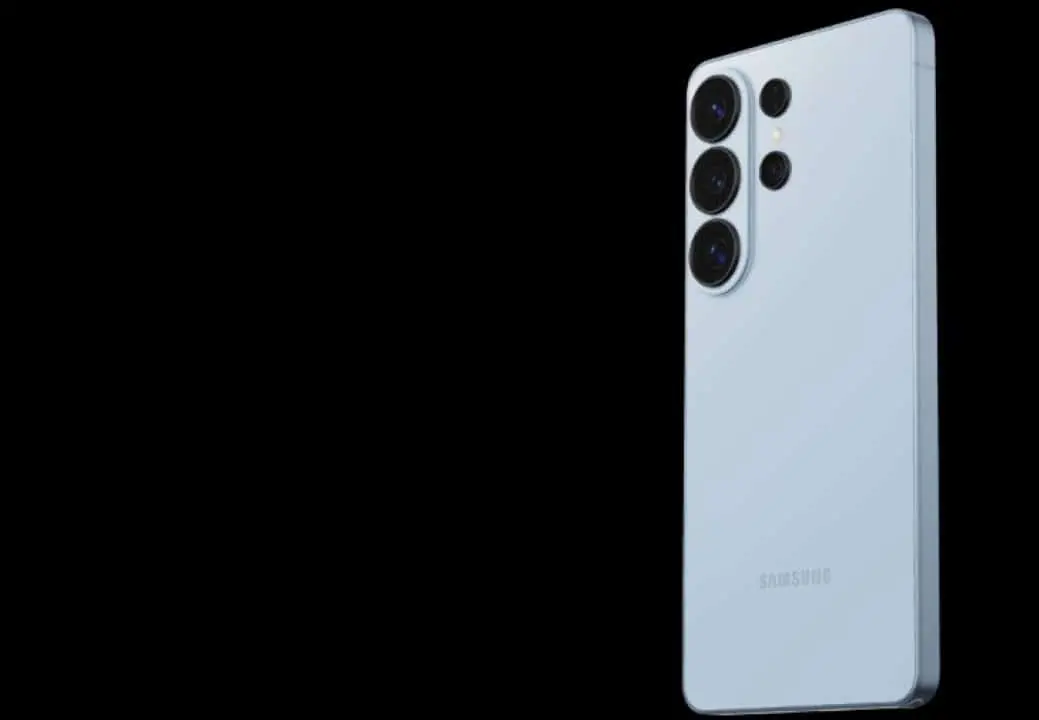
Samsung develops a profound change in the photographic set of the future Galaxy S27 Ultra. Informações behind the scenes indicates the complete replacement of the sensors of the main lens, the ultra-angular camera and the front component. The premium device is only scheduled to be launched in 2027. The South Korean manufacturer seeks to break a cycle of hardware maintenance that marked the most recent generations of the line.
The leak gains relevance given the frequent criticisms about the repetition of parts in the company’s most expensive devices. Usuários require physical innovations in addition to traditional software improvements. The adoption of new components aims to increase image quality in low-light scenarios and optimize video capture. Concorrentes direct already operates with more robust technologies in the high-end segment. The move signals an aggressive response in the dispute for leadership of the Android ecosystem.
Fim of stagnation in photographic hardware
The current architecture of the Ultra series presents few variations since the introduction of the 200 megapixel main sensor. Essa part has delivered consistent results over the years. The company’s strategy focused on refining processing algorithms. The natural aging of the technology, however, became evident in direct comparisons with recent launches.
Especialistas in mobile technology point out that prolonged maintenance of the same optical set limited significant leaps in quality. The image signal processor has compensated for physical constraints so far. The complete replacement of the three main sensors demonstrates a change of direction in the company’s planning. The telephoto lens appears as the only exception in this process of total renewal.
The development of the device is at an early stage. Detalhes specific technical details regarding the exact pixel size or final resolution of the new cameras remain under wraps. The semiconductor industry works with long research cycles. The definition of the components of the 2027 model occurs in parallel with the final tests of devices closer to launch.
Avanço of Asian brands puts pressure on the market
Fabricantes based at China has accelerated the pace of innovation in the image capture industry. The OPPO Find X9 Ultra model exemplifies this trend with the incorporation of very high resolution sensors distributed across multiple lenses. The device uses a double periscope system. Essa configuration considerably raises the standard of optical zoom range without loss of definition.
Vivo is also preparing offensives in the premium market with the long-awaited X300 Ultra. Rumores from the industry indicate the presence of dual 200-megapixel sensors operating in both the main and telephoto lenses. The focus of this engineering is on preserving details in extreme approximations. Light capture in night environments gains significant reinforcement with this structure.
Fornecedoras global companies such as Sony and OmniVision recently announced new generations of photo sensors. The components offer 200 megapixels distributed in larger physical formats, close to the one-inch mark. Essas expanded dimensions allow for superior light absorption and reduce digital noise in photographs. The Samsung needs to integrate equivalent technologies to sustain the commercial appeal of its more expensive products.
Especificações expected for the new top of the line
The electronic components market offers several alternatives for updating the South Korean device. Sensores with 1/1.12 inch form factor has gained traction among elite devices. Implementing these parts improves the dynamic range of images. The contrast between light and dark areas reaches levels closer to human vision.
The reformulation of the Galaxy S27 Ultra’s optical system covers different capture fronts:
- Sensor main: replacement of the 200 megapixel component with a version with a larger light collection area.
- Câmera ultra-wide-angle: exchange of the current 50 megapixel part to expand the field of view with less distortion at the edges.
- Lente front: Update focused on high-resolution videos and portraits with improved depth mapping.
- Teleobjetiva: Maintains dual optical zoom structure to ensure stability in long-distance approaches.
Integrating the new hardware will require unprecedented processing power. The chips scheduled for 2027 will feature neural processing units dedicated exclusively to photography. Optical image stabilization will receive faster mechanical actuators. Exposure time in night photography should drop drastically with the new architecture.
Impacto on the brand’s release schedule
The Galaxy S Ultra family occupies the most prestigious position in the Android smartphone portfolio. Past generations have built a reputation on large screens and long-lasting batteries. The halt in the evolution of cameras generated intense debates in technology forums. Consumers in this category demonstrate high sensitivity to technical delays.
The company’s calendar predicts the arrival of the Galaxy S26 Ultra in early 2026. The model will bring aesthetic changes to the lens ring and internal performance improvements. The definitive photographic leap, however, will be reserved for the following year. The S27 Ultra bears the responsibility of redefining brand image standards.
The official presentation of S line devices traditionally takes place in the first quarter of each year. The global event attracts the attention of investors and mobile technology enthusiasts. Confirmation of sensor changes indicates long-term planning focused on recovering technical leadership.
Computational photography will continue to play a central role in image generation. The renewed hardware will provide higher quality raw data for the artificial intelligence algorithms. The combination of larger lenses and advanced software defines the future of visual capture in pocket-sized devices. Samsung’s move reflects the growing demand for professional-grade tools on commercial smartphones.
The mobile device industry is going through a phase of technological transition. The miniaturization of optical components has reached a temporary physical limit. Manufacturers are looking for creative engineering solutions to accommodate larger sensors without compromising the thickness of the devices. The design of the future high-end will need to balance the protrusion of the cameras with the ergonomics of the chassis.
Corporate silence on future specifications is part of the industrial protection strategy. Vazamentos so far in advance reveals the complexity of the global supply chain. Ordering new sensors requires negotiations that last years. The market will follow the manufacturer’s next steps in structuring this new photographic ecosystem.