German manufacturer Volkswagen officially launches the ID.3 Neo electric hatch with 630 km of maximum range
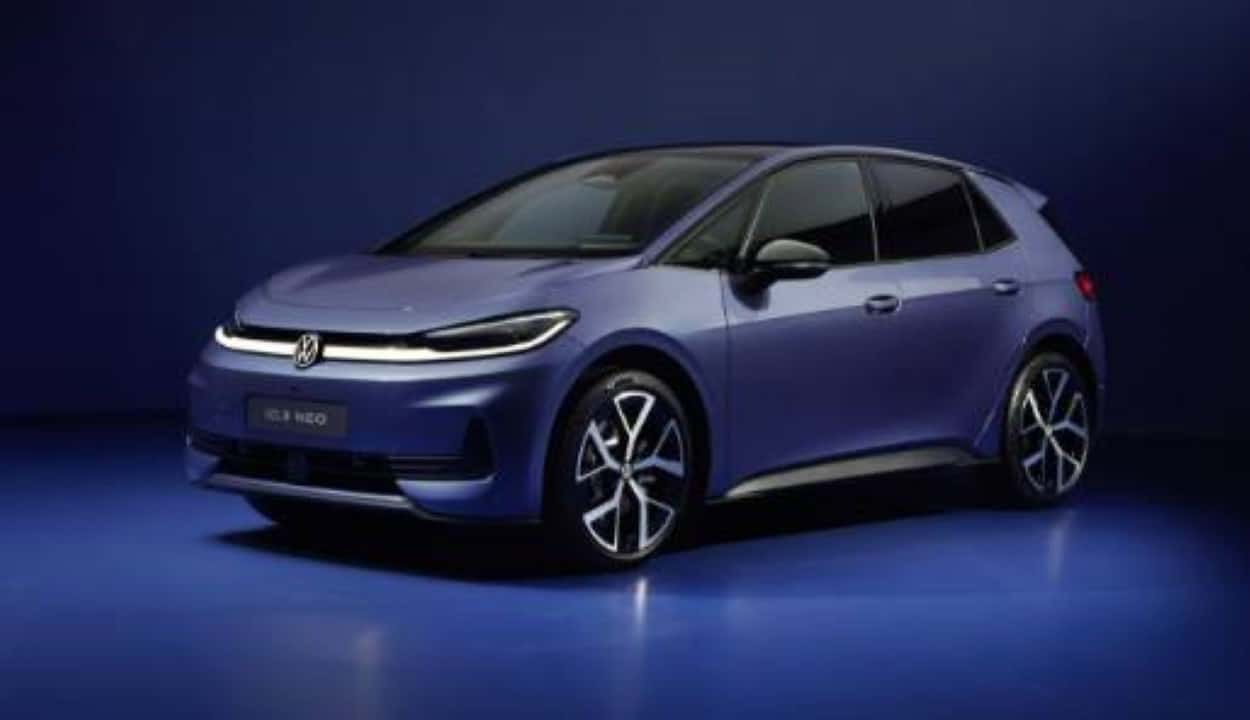
Volkswagen presented the ID.3 Neo model during an event held in the city of Wolfsburg, at Alemanha. The vehicle arrives on the European market as the direct successor of the previous line, bringing substantial changes to the bodywork, interior finish and equipment package. Advance sales officially begin on April 16, 2026 in several Europa countries. The automaker is betting on three different battery and engine configurations to meet different profiles of urban and highway consumers.
The update of the compact electric hatch responds to public demands for greater interior refinement and energy efficiency. The project incorporates the brand’s new visual language and reintroduces physical controls to the instrument panel, changing the driver’s usage dynamics. The strategy seeks to consolidate the company’s presence in the zero-emission vehicle segment in the face of growing competition. Production maintains a focus on daily practicality and comfort on longer journeys.
Identidade updated look and body proportions
The exterior design of the car adopts the aesthetic concept called Pure Positive. The front features a continuous LED light strip that connects directly to the manufacturer’s illuminated logo. The front headlights follow the updated pattern of the automaker’s family of electric cars. The hood lines have been redesigned and now convey a feeling of greater structural solidity when looking at the vehicle from the front.
The paint on the roof, rear spoiler and trunk lid now matches the same tone as the rest of the body. Essa choice of finish creates an optical illusion that lengthens the car’s silhouette and modifies the perception of size. The end result is reminiscent of the classic compact models that have marked the company’s history over the decades. The original compact size was preserved to facilitate maneuvering in confined spaces and narrow garages.
The team of designers sought an exact balance between the modernity required by a battery-powered car and the brand’s visual tradition. The dynamic proportions aim to attract buyers who value a timeless aesthetic. The True Volkswagen concept guided engineering decisions throughout the exterior development process. Improved front-end aerodynamics also directly contribute to reduced wind drag and increased energy efficiency at high speeds.
Reformulação from the cockpit and return of physical controls
The internal environment underwent a complete review of materials, assembly and general ergonomics. The instrument panel features horizontal lines that organize the visual space in a clean and direct way. The door and seat coverings offer a superior touch and increase the perception of quality on board. The activation buttons have specific textures that facilitate tactile identification when driving on dark roads.
The multifunctional steering wheel has an unprecedented shape in the range, with the top and bottom edges slightly flattened. The layout of the buttons on the bezel has been restructured into logical fields to prevent accidental actuations during sharp turns. The Innovision entertainment system concentrates the vehicle’s main functions on two independent high-resolution screens. The digital panel positioned behind the steering wheel measures 10.25 inches, while the floating central display has 12.9 inches of useful area.
One of the most significant changes to the cabin is the return of physical controls in strategic areas of the center console. The decision improves the driver’s interaction with the car and reduces the exclusive dependence on touch-sensitive surfaces for simple adjustments. The graphics of the multimedia system operate with greater fluidity and guarantee immediate responses to user commands. The project focused on thermal and acoustic comfort to minimize fatigue on long journeys.
Inovações in software and driver assistance systems
The automobile’s electronic architecture has received profound programming and data processing upgrades. The safety package includes the Connected Travel Assist system, which now has an automatic traffic light recognition mechanism at urban intersections. The One-Pedal-Driving technology allows energy regeneration and complete braking of the car just by relieving pressure on the accelerator pedal. The feature optimizes battery use in heavy traffic and reduces brake pad wear.
The Vehicle-to-Load functionality turns the car into a mobile power source for outdoor use. The system provides up to 3.6 kW of power from the high-voltage battery to power various electrical equipment. Homeowners can plug in items like electric grills, work tools, or charge electric bikes while camping. The Innovision multimedia center also integrates a native application store with audio, video and gaming options.
The list of standard equipment includes the Lane Assist lane keeping assistant, the Front Assist frontal monitoring and autonomous emergency braking calibrated to act on curves. Optional packages add convenience and safety technologies from higher segments.
- Projeção of information on the windshield with augmented reality technology.
- Teto panoramic solar with large glass area and thermal insulation.
- Câmeras perimeter monitoring with 360 degree view of the vehicle.
- Bancos front seats with massage function and adjustable position memory.
- Sistema of premium high fidelity sound signed by Harman Kardon.
- Assistente parking Park Assist Pro with memory of frequent maneuvers.
The integration of all these electronic resources aims to reduce the driver’s workload on daily journeys and on the road. The parking and charging services app makes it easy for Europa to plan long routes. Operating system updates ensure that assistance functions remain accurate and secure over the years.
Desempenho mechanical, autonomy and available versions
The model’s powertrain delivers three distinct levels of factory calibration. The maximum power options available are 125 kW (equivalent to 170 hp), 140 kW (190 hp) and the top-of-the-line version with 170 kW (231 hp). The revised electric motor generates greater instantaneous torque and consumes less energy than the equipment used in the previous generation. Engineering focused on quick throttle responses without compromising smooth running at cruising speeds.
The floor of the vehicle houses battery packs with net capacities of 50 kWh, 58 kWh and 79 kWh. The configuration equipped with the highest density accumulator achieves up to 630 kilometers of range in the European WLTP test cycle. The average consumption approved in the laboratory varies between 13.9 and 15.7 kWh for every 100 kilometers driven, depending on the version chosen. The vehicle operates with zero carbon dioxide emissions from the exhaust throughout its operation.
The direct current rapid recharge system supports peaks of up to 105 kW in smaller capacity batteries. The 79 kWh component accepts ultra-fast chargers of up to 183 kW, drastically reducing waiting times at bus stations. The line will be sold in three different finishing catalogs: Trend, Life and Style. The automaker has not yet released the official price list for all countries and has not confirmed the model’s expected arrival on the Brazilian market.
