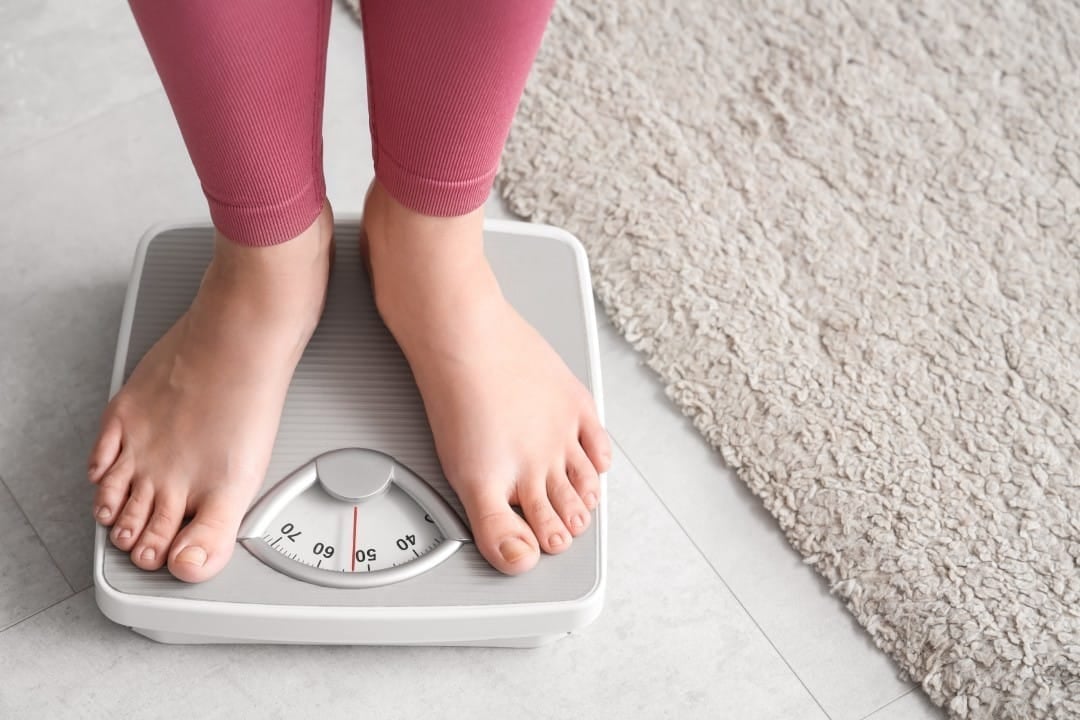
A study presented in Congresso Europeu about Obesidade showed that losing weight quickly can bring better results than gradual loss. The research followed 284 adults with obesity for 52 weeks. Participants who followed the accelerated weight loss program lost more weight and maintained the results more frequently.
The Vestfold Hospital Trust team at Noruega conducted the randomized clinical trial in partnership with Roede AS. The researchers divided the volunteers into two groups. One adopted intense calorie restriction in the first few weeks. The other followed moderate reduction over time.
Fast Programa had greater restriction in the initial weeks
Participants in the rapid loss group consumed less than 1,000 calories per day for the first eight weeks. Depois, the limit rose to less than 1,300 calories between weeks 9 and 12. Nas weeks 13 to 16, the ceiling reached less than 1,500 calories.
The gradual group consumed between 800 and a thousand calories below the estimated daily expenditure. The average was around 1,400 calories per day.
Após the initial 16 weeks, both groups underwent the same maintenance program for 36 weeks. Essa phase focused on strategies to avoid weight regain.
Resultados show clear difference after one year
The rapid weight loss group lost an average of 12.9% of their body weight in the first 16 weeks. The gradual registered 10.5%. At the end of 52 weeks, the difference remained. The first group achieved an average loss of 14.4%. The second was 10.5%.
- Maior proportion reached BMI equal to or below 27 kg/m² in the fast group
- Mais participants reduced their waist-to-height ratio to 0.53 or less
- Metas linked to a lower risk of type 2 diabetes, hypertension and cardiovascular problems were more frequent in the rapid
The numbers indicate that the accelerated approach, when supervised, did not compromise the maintenance of results.

Initial Motivação helps with treatment adherence
Line Kristin Johnson, lead author of the study, highlighted the role of visible results early on. Eles can increase motivation and reinforce persistence in the critical phase. Johnson stressed that continuous support and maintenance strategies are decisive for long-term success.
The researcher recalled that the belief in the superiority of gradual loss comes mainly from smaller observational studies. Ensaios high-quality randomized clinical trials like this one bring different evidence.
The supervised environment was fundamental. The professionals monitored the participants closely throughout the period.
Cuidados are essential to avoid risks
Johnson warned that benefits appear in structured contexts. Sem supervision, rapid loss can lead to nutritional deficiencies, early withdrawal and unsafe methods.
Grupos specifics should avoid this approach. Gestantes, nursing mothers, the elderly, cancer patients, people with serious chronic illnesses and those with eating disorders or high risk should not attempt accelerated weight loss without adequate medical guidance.
Cerca 90% of the study sample was made up of women. Isso limits direct generalization to men.
Implicações for those who use injectable medications
The debate gains relevance with the increasing use of weight-loss pens, such as those based on semaglutide. Muitos users seek quick results. The study suggests that speed can be an ally when combined with diet, monitoring and consistent habit changes.
Especialistas reinforce that medication alone does not replace the structured program. Adherence to nutritional and behavioral guidelines remains central.
The trial took place in a real scenario, which brings the findings closer to everyday clinical practice. The researchers plan additional analyzes to better understand the mechanisms behind increased adherence.
Perder weight continues to require individual assessment. Cada case demands a personalized plan, with realistic goals and professional monitoring. The study contributes to updating clinical recommendations on weight loss rates in adults with obesity.
