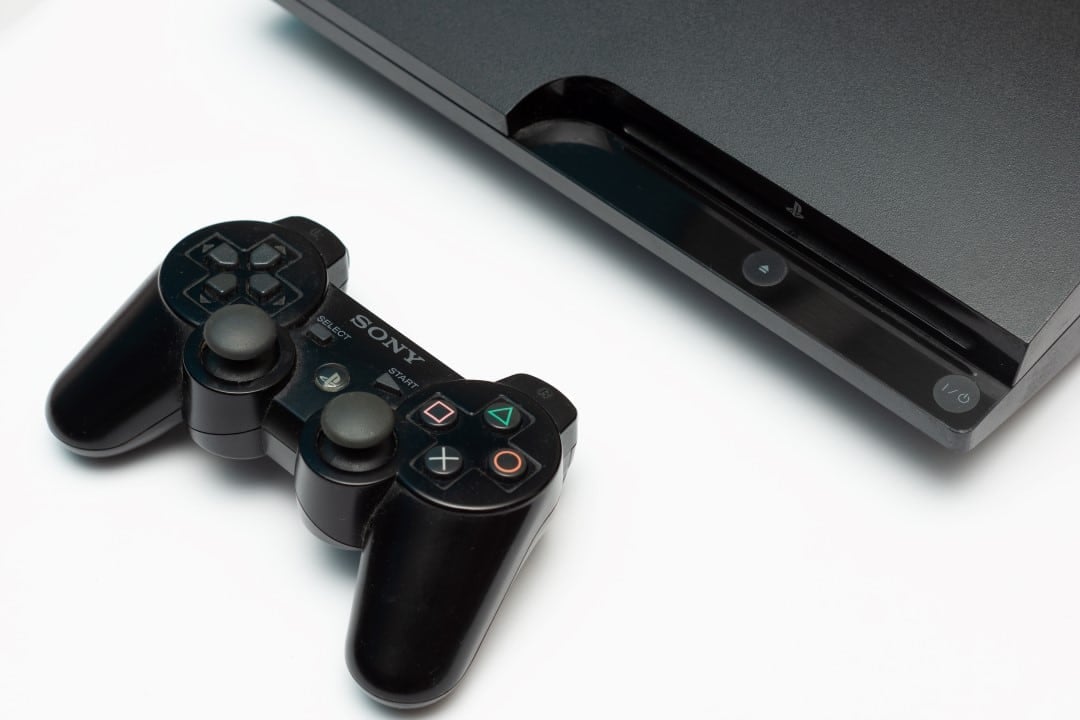
Sony Interactive Entertainment has redefined the timing and target platform of its upcoming story-focused releases. The PlayStation manufacturer decided to prioritize the console ecosystem and suspend the development of computer versions of its narrative games. The measure changes the position adopted in recent years, when the company expanded the reach of established franchises for the PC market.
The new guideline seeks to focus technical and commercial efforts on the brand’s proprietary hardware. Executivos assess that the exclusivity of immersive campaigns strengthens device sales and retains the user base. The decision directly affects internal studios that needed to optimize code for different machine architectures. The move signals a return to valuing the original platform as the main stage for high-budget productions.
Focus Mudança for native ecosystem
The strategy of bringing PlayStation’s greatest hits to computers has generated new sources of revenue in the recent past. The company, however, identified that the dilution of exclusivity reduced the immediate appeal of its main products. The return to the console-centric model aims to ensure that consumers have priority access to the most elaborate productions. The company seeks to optimize financial and human resources.
The PC market presents dispersed competition and requires high investments in complex tolls. Adapting a game designed for specific hardware takes time and resources that, according to the new policy, must be redirected to creating new content. The company is committed to maintaining a robust and restricted library to sustain the platform’s long-term growth.
The loyalty of the gaming community involves ensuring impeccable technical experiences. The console’s controlled environment allows updates and bug fixes to occur smoothly. The manufacturer understands that technical quality at launch defines the public’s perception of the brand’s value. Problemas computer performance affects the image of franchises.
Impacto in hardware development and use
Partner studios and internal teams now receive clear guidance on the target platform. Simplifying the build process eliminates the need to test performance on thousands of different graphics card and processor combinations. Programmers can focus exclusively on the PlayStation architecture. Clarity in development reduces operational costs.
Essa technical exclusivity allows maximum exploitation of specific components of the device. The DualSense controller, with its adaptive triggers and tactile response, takes center stage in the design of game mechanics. The absence of the obligation to adapt keyboard and mouse commands frees designers to create more complex interactions. The hardware dictates the rules of gameplay.
Graphic quality and loading time also undergo direct changes with the change of focus. Using the console’s custom solid-state storage can be integrated into the fundamental structure of the game. Developers can design instant scene transitions without worrying that PC users with older hard drives will experience performance issues. Narrative immersion gains fluidity.
Diferenciação against industry competitors
The video game industry is going through a period of restructuring of business and distribution models. Microsoft adopts an aggressive expansion stance, making its catalog available simultaneously on consoles, computers and cloud services. Sony chooses an opposite path for its most prestigious titles. Exclusivity becomes the main commercial weapon.
The Japanese manufacturer uses exclusivity as a central marketing tool for the sale of equipment. The differentiation strategy is based on factors specific to the current technology market:
- The need to justify the consumer’s investment in dedicated hardware just for games.
- Building a catalog that cannot be accessed on rival company platforms.
- Full control over pricing and promotions within the brand’s proprietary digital store.
The saturation of launches on multiple platforms creates a scenario where exclusive products gain greater prominence in the media and among consumers. The company is betting that the engaging narrative and superior technical quality compensate for the lack of sales in the computer market. The focus on the PlayStation brand outweighs the search for player volume on open systems.
Exceções for service and multiplayer titles
The suspension of desktop versions applies strictly to games focusing on single-player campaigns. The company keeps the door open for multiplatform distribution of other genres. Service titles, which rely on a massive active user base to generate ongoing revenue, follow a different business logic. Reach matters more than exclusivity in these cases.
Projetos focused on online multiplayer matches require large communities to ensure fast functioning of matchmaking systems. Nesses specific cases, simultaneous release on PlayStation and PC remains a viable and profitable option. Portfolio segmentation demonstrates a detailed analysis of consumption behavior in each game category. Sony adapts the strategy depending on the product.
The clear division between isolated narrative experiences and shared virtual environments guides studios’ future investments. The company seeks a balance between protecting its most valuable intellectual property and participating in markets with continued high profitability. The flexibility in distributing online games complements the rigidity applied to story titles.
Perspectivas for the hardware market
The consolidation of narrative games on the console reinforces the Japanese manufacturer’s long-term planning. The sale of devices creates a closed ecosystem where the user consumes third-party subscriptions, accessories and games. The profitability of the hardware directly depends on the attractiveness of the unique software. Sem heavy games, machine sales stagnate quickly.
The life cycle of desktop platforms requires impactful launches to maintain sales momentum after the first few years on the market. The guarantee that the industry’s top stories will only be available on PlayStation serves as a constant selling point. The strategy sets the stage for future hardware upgrades and new generations of devices. The ecosystem gains strength.
The global digital entertainment industry is monitoring the practical results of this commercial reorientation. The success of the restricted model may influence other publishers to rethink their multiplatform distribution strategies. Sony maintains its focus on delivering products of a high technical standard, believing that the final quality justifies limiting access to a single dedicated platform.
