An international team works within a laboratory adapted in Universidade from Georgetown, in Washington, to track global health threats. The effort focuses efforts on disease prevention during the 2026 FIFA Copa Mundo. Quase two dozen analysts, epidemiologists and public health experts gather data in real time. The center began operating in early June.
Health Security Intelligence Operations Center, or HSOC, works as an early warning system. Profissionais monitor sewage plants, electronic health records and international alerts. Eles condenses the information into daily reports for public health authorities and FIFA organizers. The initiative involves the Universidade of Georgetown and the MedStar Health through the National Center for Health Security and Resilience.
Laboratório transforms data into daily alerts for authorities
Especialistas are divided between computer screens and monitors that show friendly national team matches. Rebecca Katz, director of the center, explains that the focus is on providing concrete evidence. The team identifies signs of influenza, measles, norovirus and Ebola, among other diseases. Relatórios helps guide rapid responses across different jurisdictions.
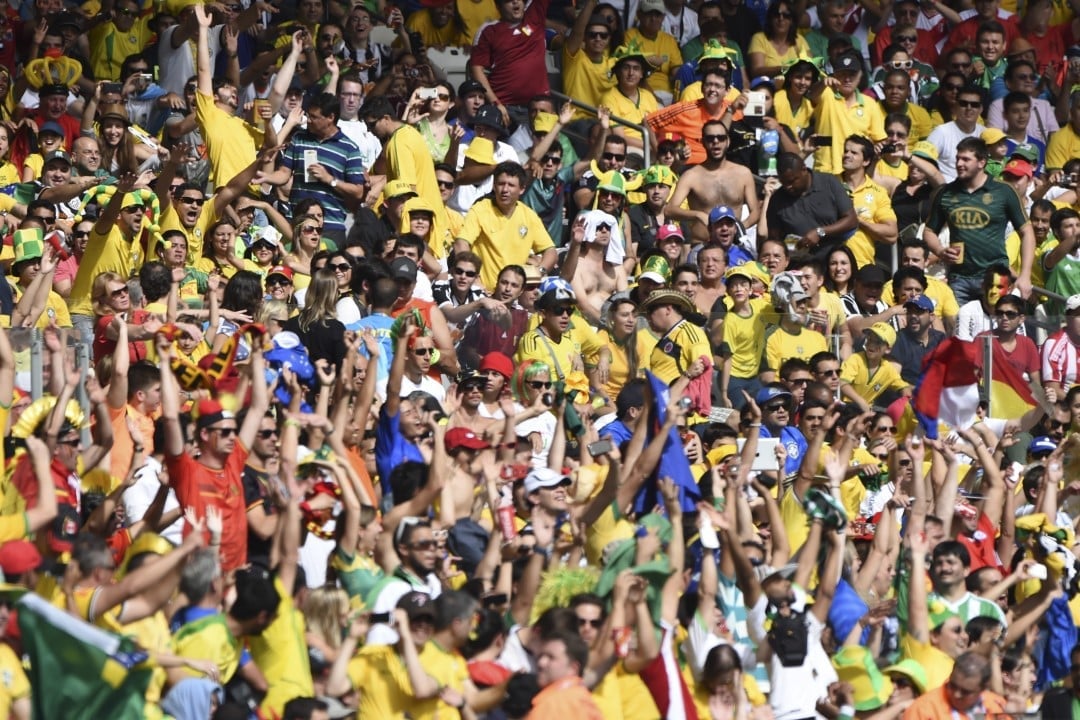
The expected volume of public reinforces the need for coordination. Organizadores predict 6.5 million fans in América’s Norte cities. Grandes clusters facilitate the circulation of pathogens. HSOC serves as a force multiplier for local, state and federal agencies facing data sharing limitations.
- Monitoramento of wastewater at strategic points
- Análise of anonymized electronic records of care
- Integração of health alerts coming from abroad
- Parceria with social listening networks for broad context
- Distribuição Daily Updates for Decision Makers
Parceria between universities and hospital network expands response capacity
The collaboration between Georgetown and MedStar Health allows you to combine academic expertise with practical infrastructure. The center is on the university campus, next to MedStar Georgetown University Hospital. Essa Proximity facilitates the translation of complex data into actionable guidance for hospitals and healthcare departments.
Rebecca Katz highlights the challenge of integrating diverse information. Autoridades often handle data restricted to their regions. HSOC seeks to fill these gaps and support decisions based on the big picture. The structure also serves as a living classroom for students who observe work in real time.
Vigilância includes wide range of infectious threats
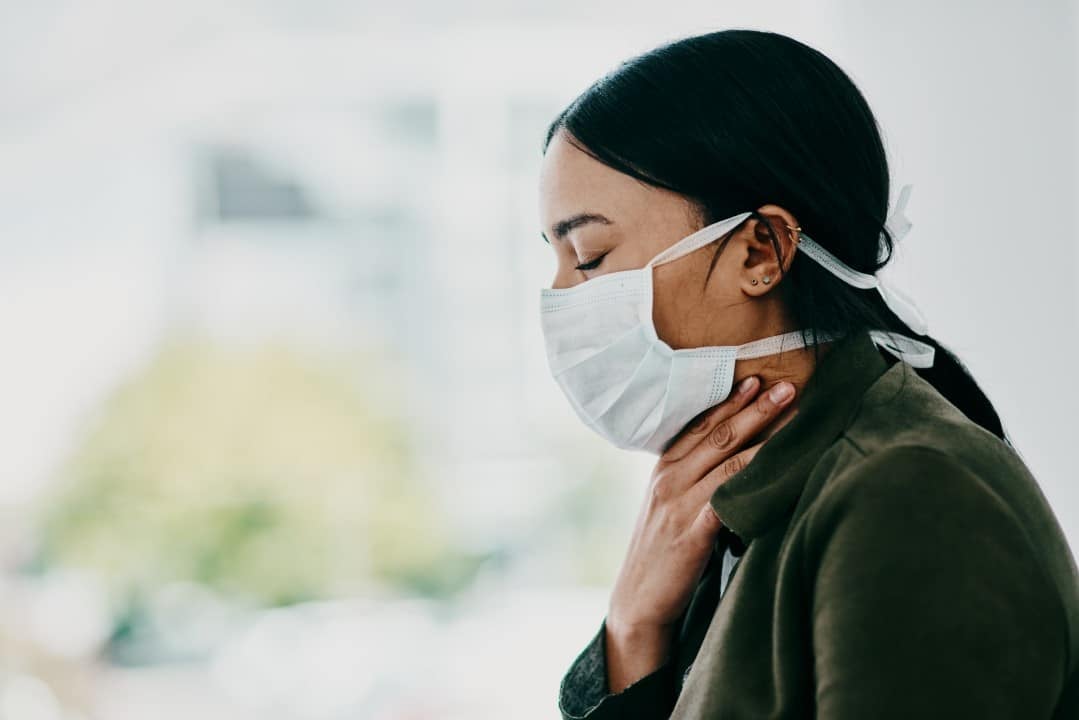
Profissionais accompany respiratory viruses, gastrointestinal problems and vector-borne diseases. Casos of dengue and chikungunya in Américas regions receive special attention. Monitoring also covers mpox and other pathogens that can spread during large events.
Equipes cross-references official sources with data on travelers and hospitalizations. The goal is to detect patterns before they turn into larger outbreaks. Relatórios diaries reach hundreds of recipients, including hospital emergency managers and tournament organizers. Qualquer relevant signal triggers notifications for further investigation.
Informações from the center becomes available to the public
Qualquer person can sign up to receive daily updates directly from HSOC. The initiative reinforces transparency in monitoring risks. Especialistas hope the model will serve as a reference for other mass events in the future. Operation continues throughout the Mundial period, which takes place in three countries.
The work reflects years of preparation for the logistical challenge of Copa. Pela first time, the tournament is spread across Estados Unidos, Canadá and México. Health surveillance gains extra importance given the unprecedented scale. Equipes maintains a focus on evidence to guide preventive actions without unnecessary scaremongering.
Centro strengthens collaboration network between different levels of government
Autoridades sites face the problem of coordinating rapid responses. HSOC participates in daily calls with regional organizations and contributes integrated data. Essa exchange helps you align efforts in real time. The center does not replace official structures, but acts in support to increase overall efficiency.
Estudantes and researchers follow the day-to-day operations. Practical experience complements academic teaching on the intersection between science, policy and emergency management. The project demonstrates how partnerships can strengthen public health resilience in the face of global events.
