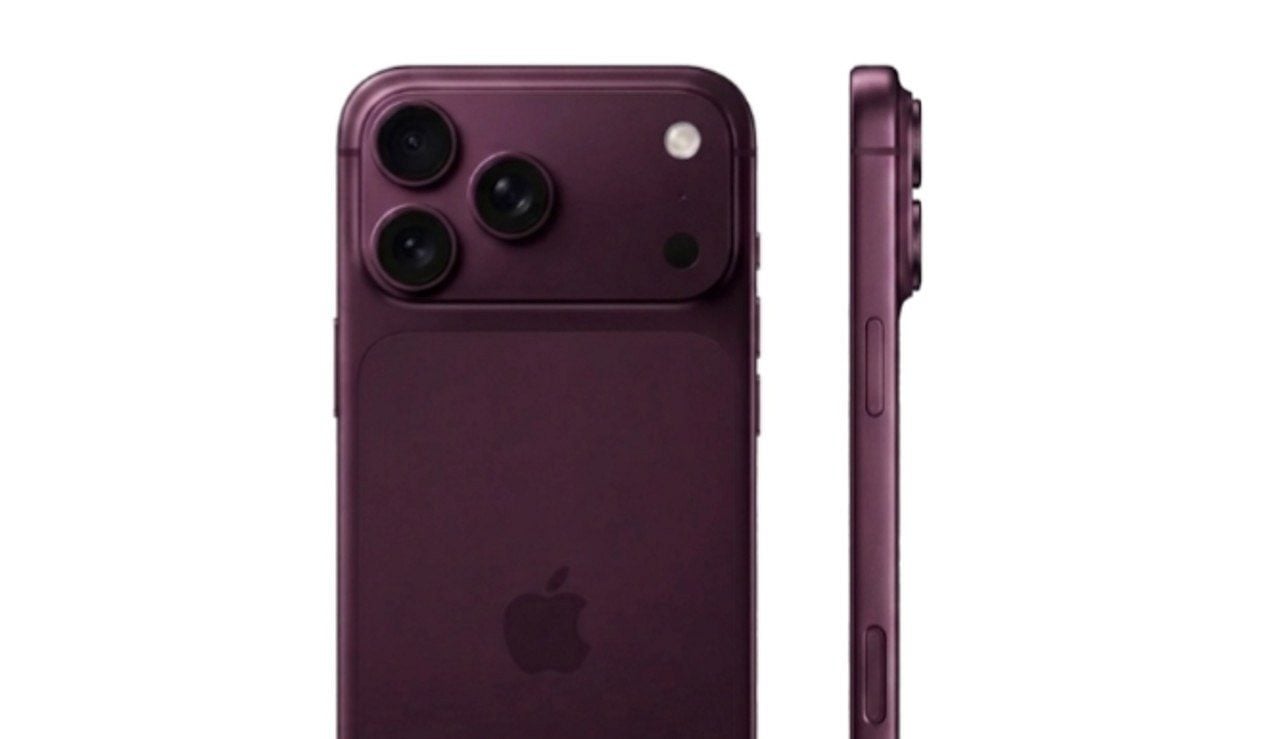
Apple is evaluating replacing the titanium coating with aluminum in the next generations of the Pro iPhone. The structural change aims to improve the internal thermal dissipation of the devices, a need driven by the high processing required by new artificial intelligence tools. The information leak occurred on the Chinese social network Weibo, indicating that the company’s supply chain is already preparing for this transition in manufacturing materials.
Local processing of large language models puts a strain on internal components and generates an unprecedented amount of heat for mobile devices. The change in material reflects a physical bottleneck in current engineering, where cooling capacity dictates the performance limit of processors. Analistas point out that maintaining titanium would require very bulky cooling systems, compromising the thin and light design characteristic of the brand’s premium line.
The impact of local processing on device temperatures
Performing complex artificial intelligence tasks directly on cell phone hardware requires the neural processing unit to operate at maximum capacity for prolonged periods. Diferente of cloud-based queries, where external servers do the heavy lifting, the local approach ensures greater privacy and response speed for the user. Essa independence, however, turns the smartphone into a true pocket server, with all the thermal consequences inherent to this architecture.
Quando the heat generated by the chips is not dissipated quickly to the external environment, the operating system applies a forced reduction in processor speed to avoid physical damage to the components. Esse protection mechanism causes noticeable slowdowns when using heavy applications or games with advanced graphics. The constant high temperature also accelerates the chemical degradation of lithium-ion batteries, reducing component life and requiring more frequent replacements by consumers.
Aluminum has significantly higher thermal conductivity than titanium and stainless steel. The adoption of this metal allows heat to flow more quickly from the processor core to the device’s housing, spreading the temperature evenly before being released into the air. Essa thermal efficiency is critical to sustaining maximum hardware performance without compromising user safety during prolonged device handling.
The transition of materials and the manufacturer’s recent history
Apple’s relationship with the metals in its premium line has undergone notable changes in recent years. The introduction of titanium in the iPhone 15 Pro was celebrated as a design milestone, reducing the overall weight of the device compared to the stainless steel used in previous generations. The aesthetic and ergonomic novelty, however, was accompanied by initial reports of overheating shortly after launch, forcing the company to release software updates to manage the processor load.
Para the iPhone 16 Pro, the manufacturer’s engineering implemented a thermal substructure made of recycled aluminum coated with graphite, maintaining the outer edges in titanium. Essa hybrid solution mitigated most of the temperature issues, but the arrival of more advanced artificial intelligence capabilities requires a deeper redesign. The volume of data processed locally grows at a pace that stopgap cooling solutions cannot keep up with in the long term.
The informant known as Fixed Focus Digital detailed that the supply chain is already testing new metal alloys for future launches. The decision to abandon titanium is not due to production cost issues, but due to a strictly physical barrier imposed by the laws of thermodynamics. Maintaining the premium status of the Pro line will depend on new aluminum surface treatments to guarantee the resistance to scratches and drops that consumers expect from devices in this price range.
Movimentação of the market and competition strategies
The readjustment of materials is not an isolated movement by the North American manufacturer. Empresas competitors using the Android system and HarmonyOS already target their high-end devices towards constructions based on aerospace-grade aluminum alloys. The standardization of this material in the premium segment reflects an industry consensus that thermal stability has become the key competitive differentiator in the era of mobile artificial intelligence.
- Aluminum allows for the creation of larger vapor chambers within the phone’s chassis.
- Fast dissipation prevents thermal throttling when recording high-resolution videos.
- Lighter metal Ligas compensates for the additional weight of batteries with higher load capacity.
- Efficient cooling protects the screen from damage caused by continuous exposure to internal heat.
- Large-scale aluminum recycling reduces the carbon footprint of the global production chain.
The pressure for software innovation forces industrial design teams to give way to the needs of hardware engineering. The slim, sleek form factor of modern smartphones leaves little room for air circulation, making the choice of external material the only viable route to temperature control. The transition back to aluminum represents a rare moment when practical function overrides luxury aesthetics in the development of consumer electronics.
Mudanças structures for the next generations of smartphones
Projections indicate that the complete material change could come to fruition starting with the iPhone 17 Pro, marking the end of a short cycle for titanium in the main line. The noble metal, however, is not expected to completely disappear from the company’s portfolio. Rumores parallels suggest the development of a model called iPhone Air, focused entirely on reduced thickness and unique design, which could inherit the use of titanium due to its more modest processing requirements.
The return of exotic materials to the Pro line, if it occurs, is only scheduled for 2027, with a possible iPhone 18 Pro. Até there, the semiconductor industry will need to develop chips with even smaller, more energy-efficient lithographs capable of delivering the power of artificial intelligence without generating as much heat. The internal architecture of the devices will undergo complete revisions to accommodate larger batteries and more robust heat sinks.
The physical limit of mobile devices redefines the development priorities of technology giants. The transformation of phones into autonomous processing centers requires structural concessions that alter the perception of the devices’ value. Efficient thermal management establishes itself as the backbone of the next decade of mobile innovations, determining which companies will be able to deliver the true artificial intelligence experience without compromising everyday usability.
