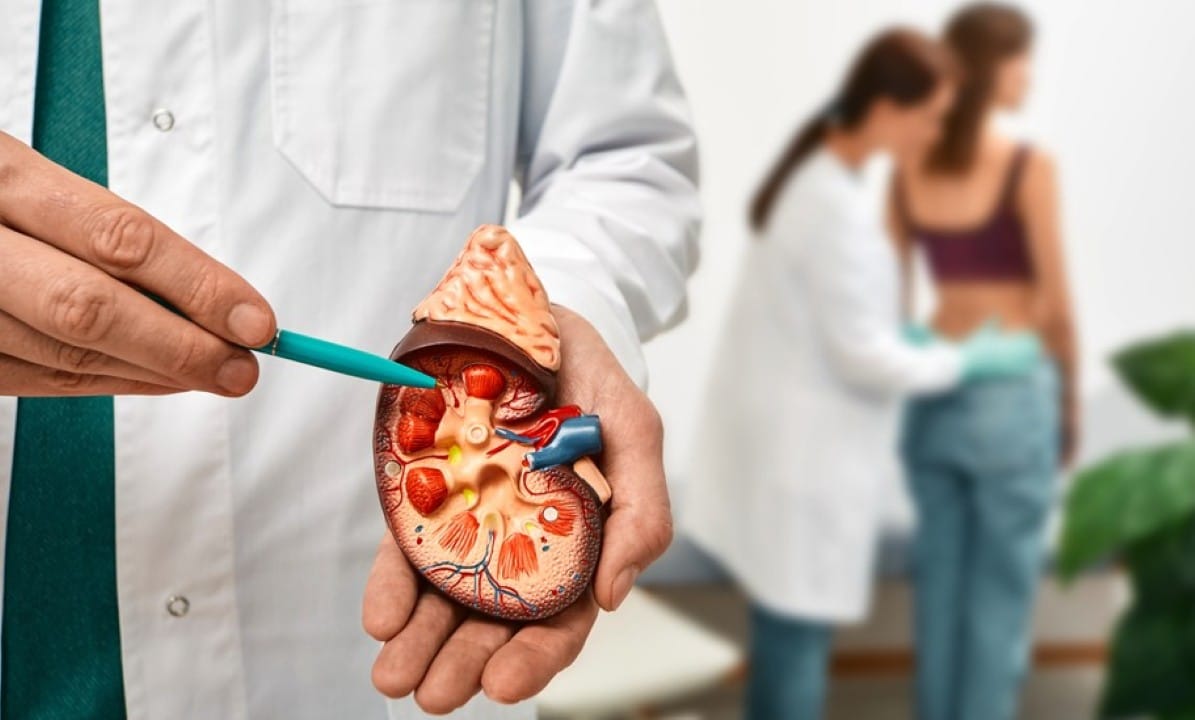
Diabetes represents one of the main causes of chronic kidney disease in the world. The condition affects the kidneys gradually and often without obvious symptoms at first. Médicos warn that simple changes in diet can help reduce the impact and preserve kidney function for longer. Excessive consumption of certain foods aggravates the condition, while strict control of habits protects the body.
Especialistas indicate that chronic hyperglycemia damages the blood vessels of the kidneys over the years. Isso compromises the natural filtration of the blood and can progress to more serious stages. No Brasil, thousands of people live with type 2 diabetes and face the additional risk of kidney complications. Early detection through periodic examinations is essential.
Diabetes damages kidneys without initial symptoms
Diabetic nephropathy progresses silently. Muitos patients only discover the problem when kidney function is already compromised. Exames as measurement of creatinine and albumin in urine helps identify early changes. Controlling blood glucose and blood pressure appears as a central strategy to prevent worsening.
Médicos highlight that high blood pressure, common in diabetics, accelerates kidney damage. Manter levels within recommended targets significantly reduces the risk of progression. Equipes health guides constant monitoring to adjust treatments according to the evolution of each case.
Redução of salt prevents retention and hypertension
Excess sodium in the body favors fluid retention and increases blood pressure. Alimentos industrialized products, pickles, sausages and ready-to-eat meals contain large amounts of salt. Diabéticos who reduce consumption observe improvement in hypertension control and less burden on the kidneys.
- Prefira natural seasonings such as herbs, garlic, onion and lemon
- Leia labels and choose low sodium products
- Evite table salt in meal preparation whenever possible
- Opte for fresh meats instead of processed or canned
- Prepare homemade broths without adding industrialized cubes
Especialistas recommend a daily sodium limit of less than 2,300 milligrams for most people with diabetes. Essa measure contributes to water balance and relieves the work of the kidneys.
Alimentos processed increases risks in a combined way
Salgadinhos, frozen foods, instant noodles and packaged meats contain sodium, bad fats and preservatives. Frequent consumption of these items unbalances blood glucose levels and overloads the kidneys. Diabéticos who swap these products for fresh options report better metabolic control.
The combination of diabetes and a diet rich in ultra-processed foods accelerates inflammation and oxidative stress. Nutricionistas suggest increasing your consumption of vegetables, fruits, and whole grains to compensate. Weekly menu planning makes it easier to stick to healthier choices.
Proteínas require moderation and professional guidance
Embora essential, excess proteins force the kidneys to work harder. Carnes red foods, dairy products and protein supplements deserve special attention in diabetics. The ideal varies depending on each patient’s kidney stage and must be defined by a doctor or nutritionist.
Fontes protein plants like beans, lentils and tofu offer a lower impact alternative. Estudos show that adequate adjustment in the daily amount helps preserve glomerular filtration. Balance avoids both lack and overload.
Elevated Açúcar aggravates damage to renal vessels
Pães Whites, sweets, soft drinks and bakery products quickly raise blood glucose. The repeated glycemic spike damages the small vessels of the kidneys. Diabéticos who limit these foods are able to maintain more stable levels and reduce complications.
Substituições like fresh fruit and whole grains provide energy without the same spikes. Strict control of simple carbohydrate intake becomes an important tool in everyday life.
Proper Hidratação eliminates toxins and supports kidney function
Regular water intake helps the kidneys filter waste and maintain internal balance. Diabéticos should prioritize pure water, avoiding sugary drinks. The recommended amount varies depending on weight, activity and clinical conditions, but is generally around two liters daily.
Médicos advise you to distribute consumption throughout the day. Sinais as dark urine indicates a need to increase hydration. In cases of advanced renal restriction, the volume must be adjusted by a specialist.
Exames and medical monitoring define individual plan
Cada patient presents a different profile. Fatores as well as age, duration of diabetes and presence of other diseases influence recommendations. Consultas regular appointments with an endocrinologist and nephrologist ensure precise adjustments to diet and medication. Working together with a nutritionist improves long-term results.
Comunidades support and diabetes education programs reinforce the importance of consistent habits. Pequenas daily changes accumulate significant benefits in renal protection.
Prevenção combines diet, activity and monitoring
Atividade moderate physical activity, such as walking, contributes to glycemic and blood pressure control. Evitar smoking and limiting alcohol complete the set of preventive measures. The focus remains on long-term consistency to delay or avoid serious complications.
Recent Pesquisas reinforce that lifestyle directly influences the progression of kidney disease in diabetics. Early adoption of healthy habits makes a difference in quality of life
