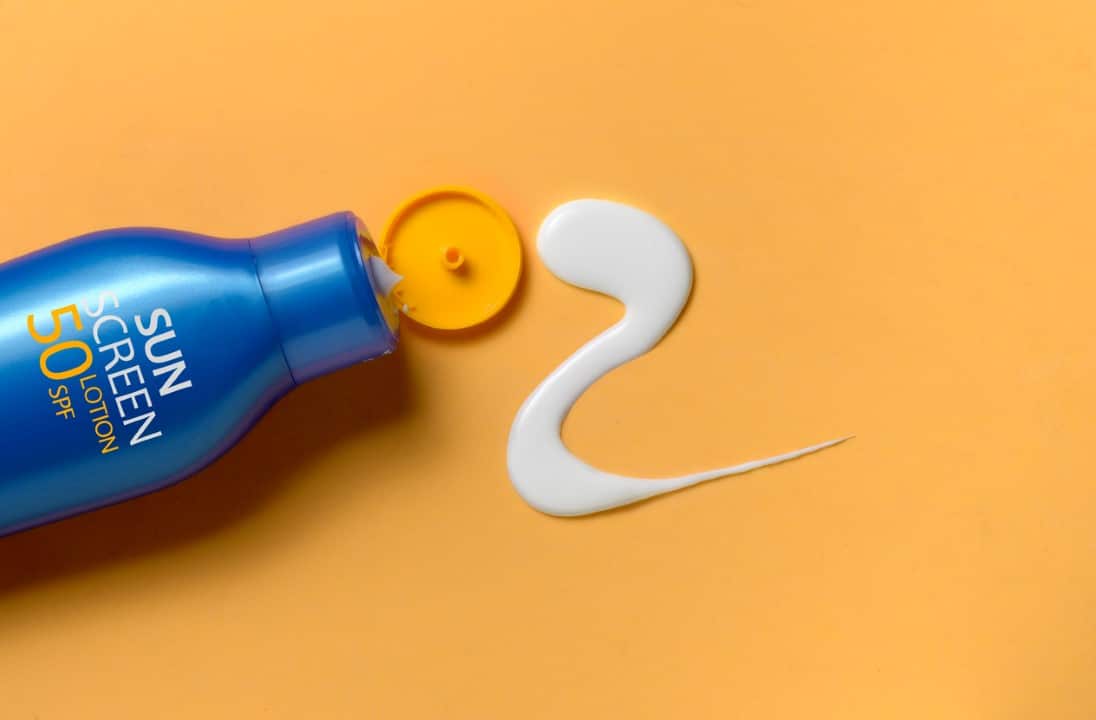
Fator of Proteção Solar acts as the skin’s main defense barrier against immediate damage caused by daily exposure to sunlight. The metric specifically quantifies a product’s ability to delay burns caused by ultraviolet B radiation, known by the acronym UVB. The numerical index printed on the packaging serves as a multiplier of the body’s natural resistance time before the onset of erythema.
UVB radiation reaches the most superficial layers of the epidermis and is responsible for the redness characteristic of post-sun. Unprotected and cumulative exposure to these rays substantially increases the risk of developing different types of skin cancer over the years. Especialistas in dermatology treat the correct use of filters as a preventive public health measure.

Mecanismo defense against ultraviolet radiation
The products available on the market use two different technologies to prevent radiation from damaging skin cells. Chemical filters contain molecules that absorb UVB rays as soon as they reach the surface of the body. Essa light energy undergoes an immediate chemical transformation and ends up being converted into harmless heat, which dissipates without causing damage to cellular DNA.
Physical filters operate mechanically on the skin. Compostos minerals, such as titanium dioxide and zinc oxide, create an opaque layer that acts like a microscopic mirror. Essa barrier reflects and disperses radiation even before it can penetrate the horny layer of the epidermis. Today’s industry often combines both technologies to optimize the texture and effectiveness of formulations.
The calculation of the numerical index takes place within laboratories under strictly controlled conditions. The researchers measure the exact dose of radiation needed to cause the first redness in an area of skin with the product and compare it with an unprotected area. A person who normally suffers burns after ten minutes of theoretical exposure would gain three hundred minutes of tolerance when applying a product with an index of 30.
Níveis blocking and the illusion of high numbers
A common confusion among consumers involves the belief that very high numerical ratings offer absolute protection against the sun. The real protection curve does not grow at the same rate as the numbers printed on the labels. The efficiency gain becomes marginal as the factor passes the 30 mark.
- Fator 15: filters approximately 93% of incident UVB rays.
- Fator 30: filters around 97% of ultraviolet B radiation.
- Fator 50: blocks around 98% of surface solar rays.
- Fator 100: reaches the technical limit of 99% radiation retention.
Nenhum product developed so far can deliver 100% blocking against sunlight. The jump from a level 30 cosmetic to a level 50 represents an increase of just 1% in total filtering capacity. The main advantage of higher numbers lies in the extension of the theoretical safety margin, especially for people with very light phototypes.
Regras protective barrier application and maintenance
The effectiveness confirmed in laboratory tests depends entirely on how the user applies the cream or lotion on a daily basis. The global technical recommendation requires the distribution of two milligrams of product per square centimeter of skin. Essa proportion is equivalent to a full teaspoon just to cover the face and neck of an adult individual.
The protective layer suffers continuous degradation from the moment it comes into contact with the external environment. Friction with clothes, contact with sand and the skin’s own sebum production destabilize the formula. Sweating and diving in sea water or swimming pools further accelerate the removal of chemical and physical active ingredients.
Reapplication every two hours appears to be a non-negotiable rule to maintain the original level of defense. Produtos classified as water resistant also lose filtration capacity after periods of immersion and require immediate re-covering after towel drying. Failure to replace the product leaves the skin vulnerable to silent burns.
Espectro broad and the difference between UVA and UVB rays
The main numerical index informs exclusively about the defense against UVB radiation. Sunlight also emits ultraviolet A rays, known as UVA, which have a longer wavelength and penetrate deeply into the dermis. Essa specific radiation does not cause immediate redness, but destroys collagen and elastin fibers.
Continuous exposure to the UVA spectrum accelerates photoaging, causes the appearance of dark spots and also actively contributes to cellular mutations. Choosing a safe product requires checking the broad spectrum seal on the packaging. Essa certification guarantees that the formula contains active ingredients capable of neutralizing both bands of ultraviolet radiation.
Brazilian technical standards and international regulatory agencies establish that protection against UVA rays must correspond to at least one third of the total numerical value of the product. A level 30 filter must offer a UVA protection factor equal to or greater than 10 to receive approval from control bodies.
Cuidados supplements in the daily photoprotection routine
Applying sunscreen requires consistency and should be part of your morning hygiene routine, regardless of the weather conditions. Clouds filter only a fraction of UVB radiation, allowing the risk of sunburn to persist even on cloudy or rainy days. UVA rays have the ability to pass through common glass in residential and commercial vehicle windows.
The exclusive use of creams and lotions does not exhaust the safety measures necessary to preserve skin health. Direct exposure to the sun should be avoided in the critical interval between 10 am and 4 pm, the period when the peak incidence of UVB radiation is concentrated on the local earth’s surface.
Barreiras physical supplements complement the action of cosmetics and reduce the radiation load that reaches the body. The use of wide-brimmed hats, sunglasses with certified lenses and clothing made with fabrics that block ultraviolet light forms an integrated defense system. The combination of these strategies minimizes the cumulative impact of the sun on cells and guarantees effective long-term protection.
