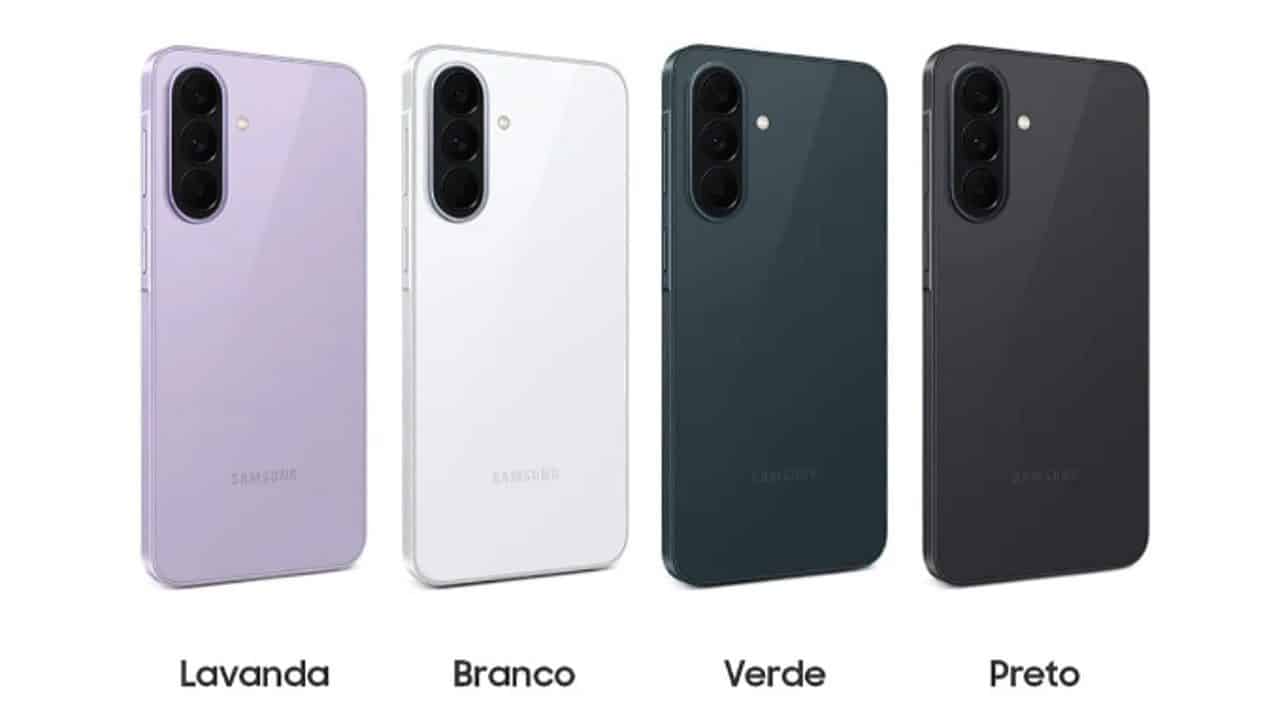
The Galaxy A37 updates Samsung’s mid-range lineup with refinements that keep the focus on consistency. The model arrived on the Brazilian market in April 2026 with a suggested price of R$3,299. In practice, it already costs close to R$2,200 in the 256 GB version.
The device features a 6.7-inch Super AMOLED screen with a rate of 120 Hz, an Exynos 1480 processor and a 50 MP main photographic set. The Gorilla Glass Victus+ glass back and IP68 certification complete the package. I tested the device for three weeks in different scenarios. The result reveals a reliable cell phone for everyday life, but which does not bring any significant surprises compared to its predecessor.
Minimalist design with a premium feel
Samsung opted for a sophisticated look on the Galaxy A37. The glass back with Victus+ protection conveys a feeling of superior quality. The pill-shaped camera module, with a frame in the color of the rear, creates interesting visual continuity. The device measures just 7.4 mm thick and weighs 196 grams.
Available in lavender, black, green and white, it has a plastic structure that helps control costs. IP68 certification allows submersion in up to 1.5 meters of fresh water for 30 minutes. In my routine, this brought peace of mind when using my cell phone in the rain or with wet hands.
The wide size of 78.2 mm may bother those who prefer more compact devices. Anyone typing with one hand finds it difficult to reach the other side of the screen. Even so, the overall design is pleasing and follows the visual language of the brand’s more expensive models.
- Gorilla Glass Victus+ glass back
- Only 7.4 mm thick
- IP68 certified against water and dust
- Colors: lavender, black, green and white
- Dimensions: 162.9 x 78.2 x 7.4 mm
Vibrant screen favors content consumption
The 6.7-inch Super AMOLED screen represents one of the highlights of the Galaxy A37. The FHD+ resolution guarantees adequate sharpness. The 120 Hz refresh rate delivers noticeable fluidity in scrolling and videos. Maximum brightness of up to 1,900 nits allows comfortable use even in bright outdoor environments.
Vivid colors and good viewing angles make the device enjoyable for watching series or editing photos. During testing, I left the computer aside several times to consume content directly on my cell phone. The panel repeats the specifications of the previous model, which reinforces the idea of incremental evolution.
A point of attention appears on the resistance. Even without drops or rough contact, the Gorilla Glass 7i glass showed visible scratches after a week. The use of protective film is recommended for those who want to preserve the display for longer.
Versatile cameras do the job well in the category
The photographic set includes a 50 MP main sensor with optical stabilization, an 8 MP ultrawide sensor and a 5 MP macro sensor. The front has 12 MP. In outdoor environments with good light, the main camera captures faithful colors and sharp details. Shades of blue and green stand out especially.
In night mode, Samsung’s processing balances noise and keeps the focus on the central element. 2x optical zoom preserves reasonable quality. Above 4x, sharpness drops gradually, but stabilization helps prevent blur. The macro lens surprised by the vividness of the colors in close shots.
Ultrawide delivers versatility, although with more modest results. Selfies have good texture in daylight, but skin tones can appear gray indoors. 4K recordings show efficient stabilization and smooth transition between lenses.
Portrait mode produces natural blur with precise cropping. Overall, the photographic system serves users who seek practicality without professional demands.
Performance meets multitasking with gaming caveats
The 4nm Exynos 1480, with up to 2.75 GHz, leads the way in processing. In the version with 8 GB of RAM and 256 GB of storage, the Galaxy A37 handled more than 30 open applications without any problems. The alternation between them flowed naturally. Navigation and everyday tasks maintained constant agility.
In games like Fortnite, the device heats up after a few minutes. The temperature rises noticeably in longer sessions, although fluidity is preserved. The AnTuTu benchmark registered more than 1 million points, a positive number for the mid-range.
The absence of a memory card slot requires careful choice when purchasing. Those who need more space should aim for the 256 GB variant. For moderate use, performance appears integrated and reliable.
Battery lasts all day but recharging is slow
The 5,000 mAh capacity already known in the A line delivers satisfactory autonomy. In mixed use with social networks, videos and some calls, the cell phone reached the end of the day with ease. The component benefits from the processor’s efficiency in light tasks.
The 15W charger included in the box represents the main weak point. The time to fully recharge is long and can frustrate those who need a quick replacement. Samsung maintains this low power even in 2026, which contrasts with competitors that offer faster charging in the same price range.
Updated system and AI features
The Galaxy A37 leaves the factory with Android 16 and promises six years of system updates. This long support is an important differentiator in the category and guarantees longevity to the device. Artificial intelligence features, such as suggested photo edits, appear in a timely and useful way.
The stereo sound delivers good volume. The on-screen fingerprint reader responds quickly most of the time. Overall, the software runs clean and with few bloatware.
The Galaxy A37 positions itself as a stable option for those looking for a reliable Samsung intermediary. It doesn’t revolutionize the category, but it delivers on what it promises in most scenarios. Those who value a fluid screen, resistant construction and long updates will find a solid choice here. For those who already have the A36, the exchange may not be worth it. Users migrating from older models, however, should notice a noticeable improvement on a daily basis.
