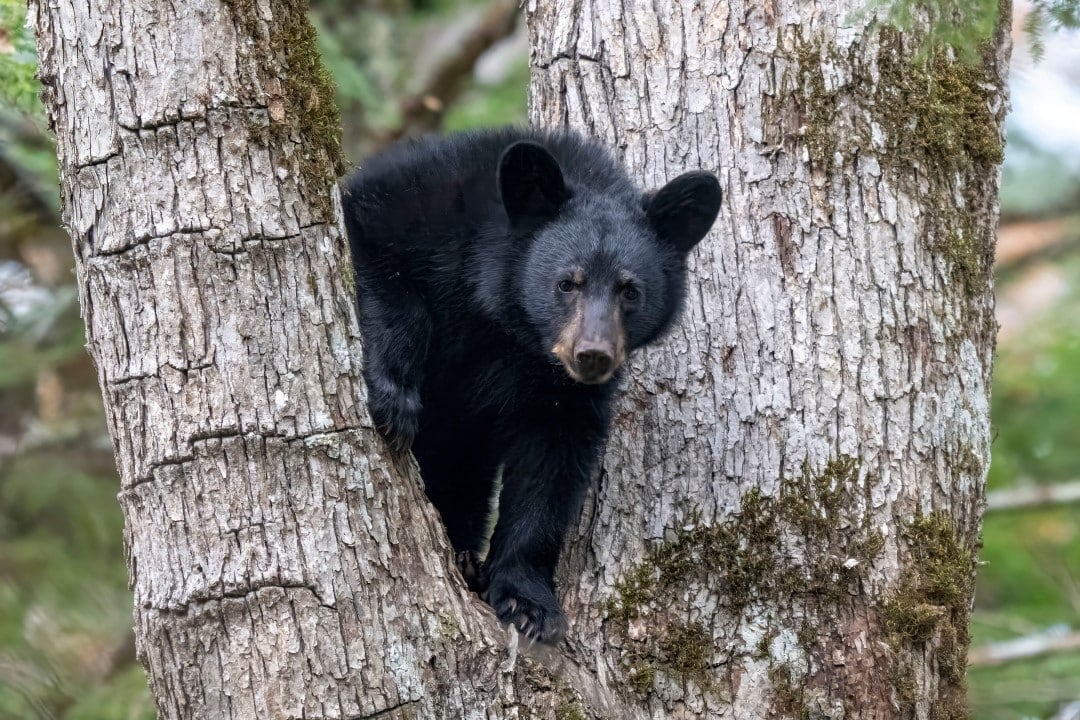
Japanese authorities sedated and captured an Asian black bear in the city of Utsunomiya. The animal had been roaming residential areas, schools and parks since last Saturday. The operation lasted more than an hour and ended on Tuesday afternoon.
Police and members of the hunting association surrounded the bear in a private garden. A vet fired a tranquilizer gun. The first shot missed the target. Two subsequent shots, around 15 minutes later, immobilized the animal weighing approximately 100 kilos.
The bear’s presence sparked panic in the city of half a million inhabitants, located about 100 kilometers north of Tokyo. Authorities closed all 94 municipal elementary and secondary schools for two consecutive days. Residents were instructed to keep doors and windows locked.
Manhunt mobilizes local forces for days
The bear has been spotted more than 20 times since Saturday. Witnesses saw him swim in a river, climb backyard fences and circulate near homes, schools and parks. Security camera footage recorded the animal on a busy commercial street.
Search teams used drones and patrolled the region. The final location was approximately 2.5 kilometers from the main railway station. The animal did not cause any injuries during its stay in the urban area.
Another bear still escapes in Fukushima after attacks
Meanwhile, a second bear remains on the loose in Fukushima. The animal injured four people last week in a residential area and at a factory. He broke into the workplace, surprised police officers and escaped through a window he allegedly unlocked.
Locals described the bear as extremely intelligent. He was seen drinking water from a tap and resisted a tranquilizer shot. Drone searches were launched in the region. The city hall maintains alerts for the population.
2025 sees record number of bear attacks in Japan
The country is experiencing an unprecedented increase in encounters with bears. The Ministry of the Environment recorded 238 victims of attacks in 2025, with 13 deaths. The number surpasses all previous years with available data.
Asian black bears traditionally inhabit mountainous areas of Tohoku, Hokkaido and Honshu. They rely on seeds like acorns and beeches. Poor harvests in recent years have forced the animals to descend into inhabited areas in search of food.
Human and environmental factors explain invasions
The aging and depopulation of the Japanese countryside reduces human activity in rural areas. Less noise and movement makes it easier for bears to approach. Ecological changes can also alter the period of hibernation and extend the activity of animals.
- Bears sighted more than 20 times in Utsunomiya since Saturday
- Closing of 94 municipal schools for two days
- Fukushima bear injured four people and escaped police siege
- National record of 238 victims of attacks in 2025
- Use of drones and robots as technological solutions under test
Technological solutions gain space in city halls
The central government created a ministerial task force at the beginning of the year to reduce casualties. City halls and companies test new tools. A village in Fukushima evaluates cameras with artificial intelligence image analysis.
KDDI SmartDrone offers unmanned aircraft systems with thermal cameras. They follow bears through dense vegetation until hunters or police arrive. Another company sells the Super Monster Wolf, a solar-powered robotic wolf that wards off wild animals. Demand for this equipment rose in 2026.
Experts monitor the impact of climate and demographic changes. Authorities reinforce the warning for residents to avoid direct confrontations and report sightings immediately. The capture in Utsunomiya eased local tension, but the case in Fukushima keeps vigilance across the country.
