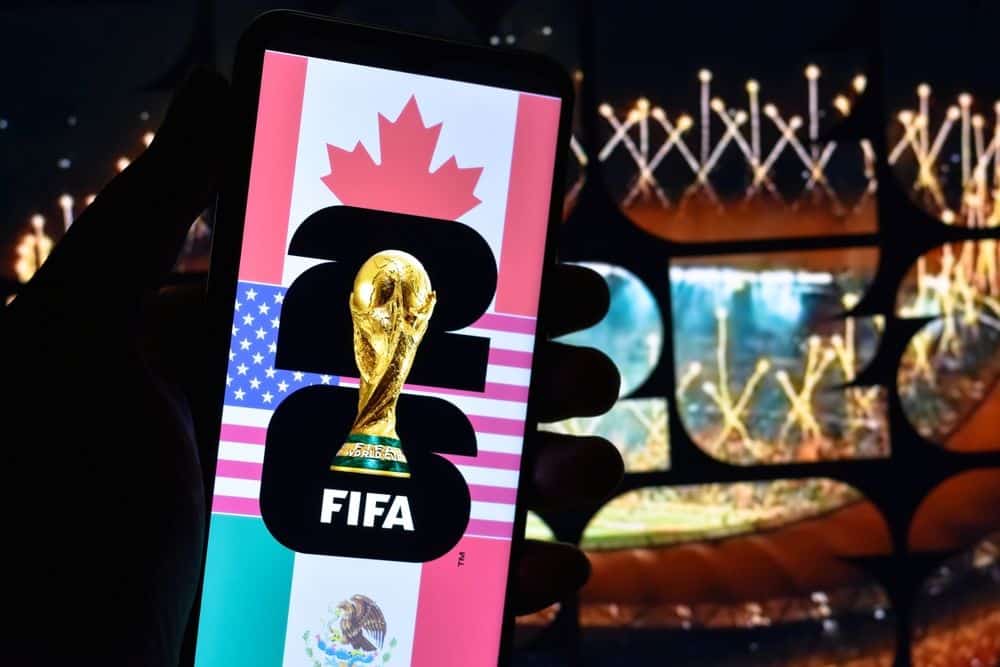
The 2026 World Cup, which begins on June 11 in the United States, Mexico and Canada, will mark the debut of seven new playing rules approved by the International Football Association Board (IFAB). The changes, which are also valid from the 2026-27 season in the main leagues, seek to reduce time loss, punish unsportsmanlike behavior and improve the pace of matches.
Pierluigi Collina, head of refereeing at FIFA, explained that the main objective is to clean up the game, combat discrimination, reduce unnecessary interruptions and offer a better experience for players and fans.
Stricter punishments against protests and provocations
Two changes tighten the code of conduct. Players who cover their mouth with their hand, arm or shirt in confrontational or argument situations will receive a direct red card. The measure aims to curb offensive communications or disguised insults.
Another point: anyone who leaves the playing field to protest against an arbitration decision will also be expelled. The rule extends to members of the technical committee. If the protest leads to the cancellation of a match, the responsible team will suffer a forfeit (defeat by W.O.).
Timers for restarts and substitutions
To speed up the game, referees will activate a five-second countdown for goal and throw-ins. If time runs out without the ball returning to play, possession goes to the opponent. The same logic applies to avoiding intentional delays.
In substitutions, the departing player has exactly ten seconds to leave the field from the point closest to the touchline. If it takes a while, the replacement must wait a full minute before entering — except in cases of injury, safety or emergency.
Medical treatment and hydration breaks
Outfield players who receive medical care on the pitch will have to leave the field for at least one minute after the match resumes. The rule does not apply to goalkeepers, serious collisions, concussions or specific penalty situations.
Each half will also have a three-minute hydration break, scheduled around the 22nd minute, with flexibility for the referee to adjust it according to the needs of the game, such as an injury close to the scheduled time.
Expansion of VAR and more accurate corrections
The video referee protocol has been expanded. It is now possible to correct yellow cards that should have been red, cases of mistaken identity and even wrong corner decisions, as long as the correction is immediate. VAR can also intervene in fouls committed before the dead ball is taken, if identified before the restart.
What changes in practice for the World Cup
With 48 teams and 104 games, the expanded tournament requires more dynamic matches. These rules attack chronic problems observed in previous World Cups, such as excessive dead time on sides, goal kicks and substitutions, as well as simulations and protests that interrupted the flow. Effective game time is expected to increase, benefiting the spectacle for millions of fans in stadiums and on TV.
The teams have already been briefed in workshops and the 170 participating referees will undergo final training before the opening.
