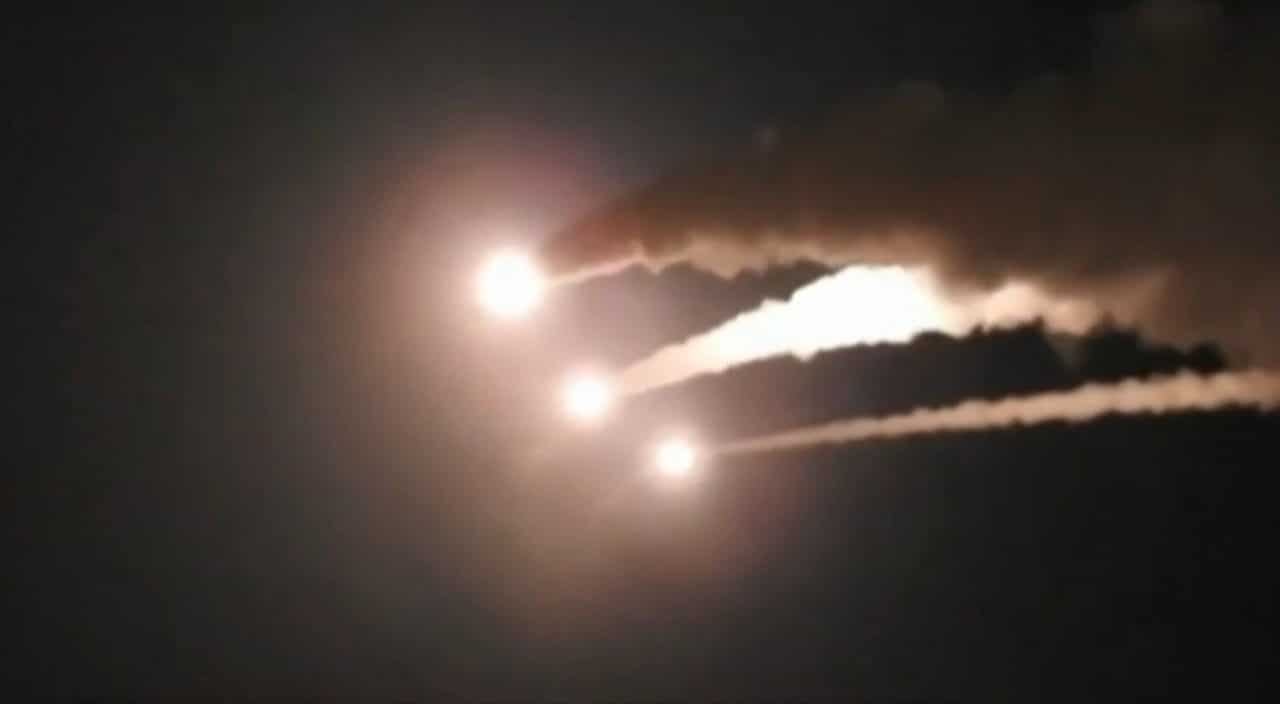
Israel carried out a new air attack against Lebanon this Tuesday (9), hitting the historic city of Tire, in the south of the country. The bombing left at least eight dead, according to the Lebanese Ministry of Health, and caused thousands of residents to flee.
The offensive took place a day after Israel and Iran suspended mutual attacks, responding to a call from United States President Donald Trump. Despite the lull in direct clashes with Tehran, Israeli operations in Lebanon continued.
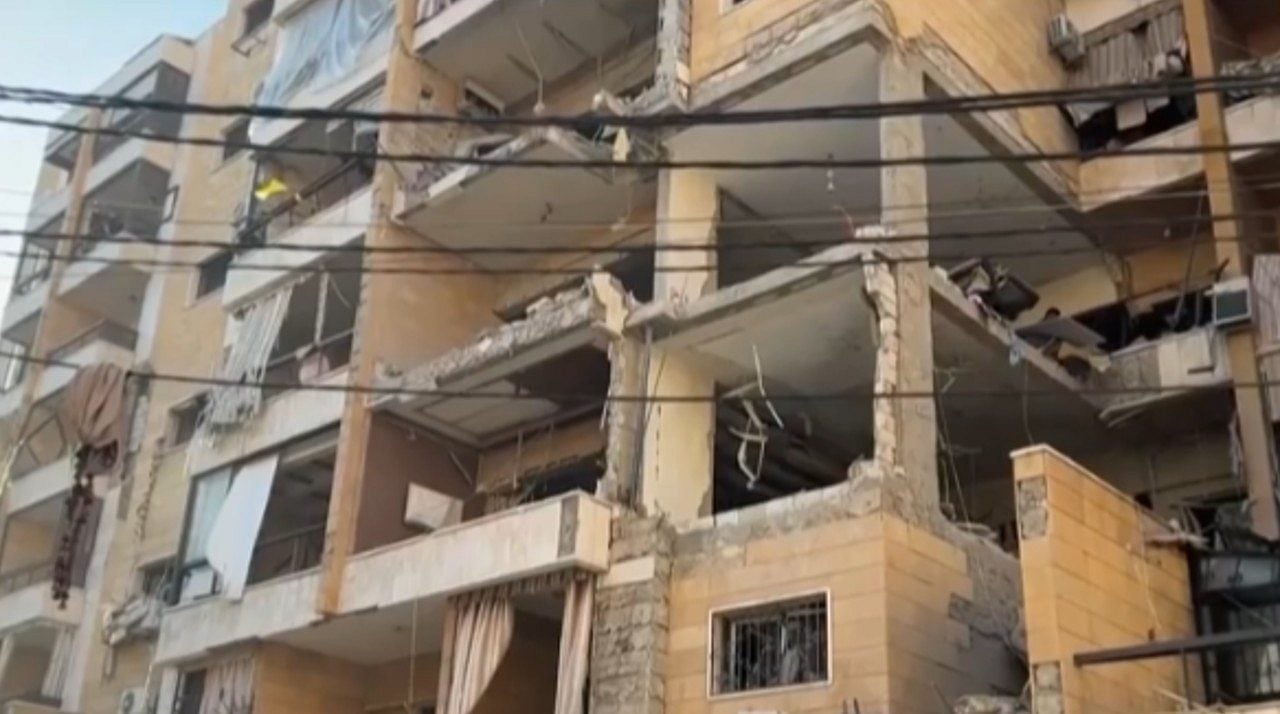
The target was the eastern outskirts of Tyre. A missile hit a residential area, generating panic in the city of Phoenician origin, with around 4,000 years of history and known for its cultural heritage.
Mass evacuation and risk of greater escalation
Israeli authorities issued an evacuation order for the entire city of Tire, including the historic Christian neighborhood. Residents were advised to head north of the Zahrani River. Thousands left their homes amid smoke and explosions visible from the beach.
Iran had warned it would respond to any new Israeli offensive against Beirut or southern Lebanon. Tehran accuses Israel of breaking the truce by carrying out attacks in Lebanon.
Context of the fragile truce
On Sunday (7), Iran launched attacks against Israel in response to recent bombings in Lebanon. Israel responded by striking targets on Iranian territory, including in Tehran. Trump intervened with a public call for an immediate end to the “shooting.”
On Monday (8), both sides announced the suspension of mutual attacks. Sources indicate that the Israeli decision to stop bombing Iran came after a conversation between Netanyahu and Trump. However, Israel made clear that operations against Hezbollah in Lebanon would continue in full force.
Prime Minister Benjamin Netanyahu stressed that any new Iranian attack on Israeli territory would be responded to “with force.” Reports indicate that the bombings in southern Lebanon and possible actions in Beirut depend on the behavior of Hezbollah.
What changes in practice
The attack on Tire tests the limits of the US-brokered truce and increases the risk of a return to full escalation in the Middle East. With more than a million people displaced in Lebanon by the war against Hezbollah, the new bombing worsens the humanitarian crisis and puts pressure on broader diplomatic negotiations.
