
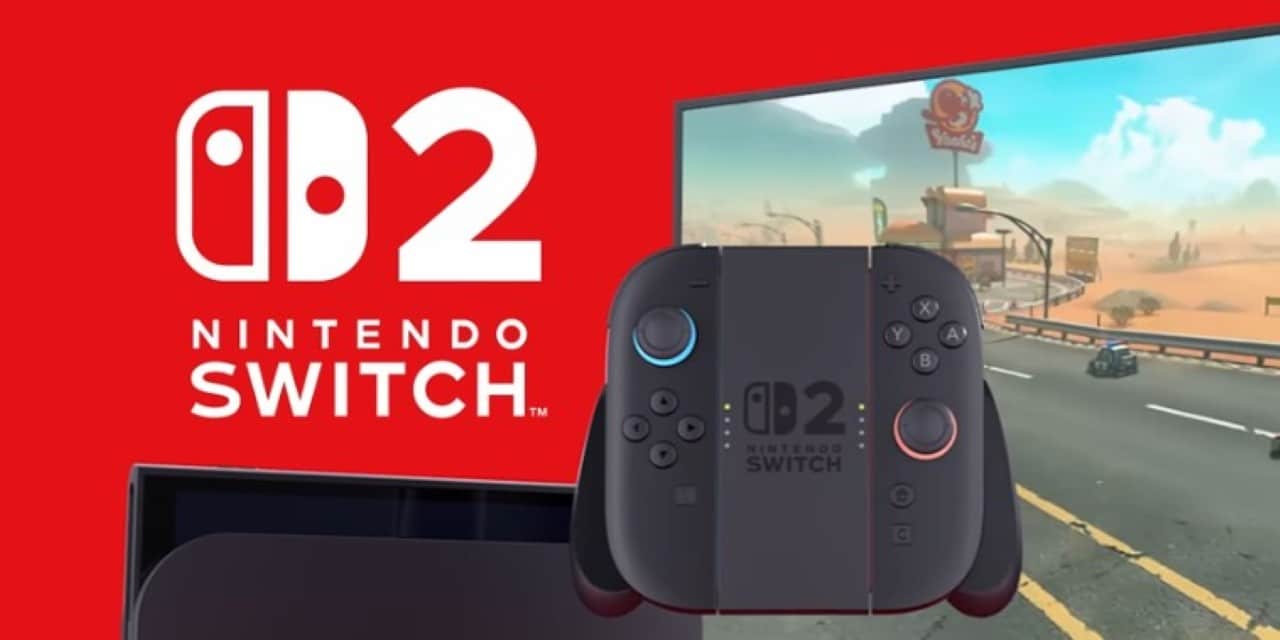
The transition to the next generation of consoles from the Japanese giant takes on new contours with recent information about the company’s behind-the-scenes. Leaks indicate that the company is developing a special and limited edition of the long-awaited Switch 2, with a design entirely inspired by The Legend of Zelda franchise. The commemorative package would not only bring an exclusive look to the hardware, but would also accompany a complete remake of the classic Ocarina of Time, remade to take advantage of the new system’s processing power. The move indicates an aggressive bet to guarantee a robust installed base in the first months of the device’s life.
The historical weight of Ocarina of Time on new hardware
The possibility of a remake of Ocarina of Time represents one of the biggest commercial assets that the manufacturer could use in a release. Originally released in 1998 for the Nintendo 64, the title revolutionized the industry by introducing lock-on aiming and three-dimensional exploration mechanics, still boasting the highest rating in the history of the Metacritic aggregator, with 99 points. Bringing this work to contemporary visual standards requires a significant engineering effort, moving away from simple remasters.
The internal project demands a complete redesign of textures, lighting and character models, as well as gameplay adjustments to meet the expectations of the current audience. Sources linked to the rumors indicate that the intention is to deliver a visual experience that immediately demonstrates the generational leap of the Switch 2 in relation to its predecessor. This modernization seeks to preserve the essence of Link’s adventure through Hyrule, while eliminating the technical limitations imposed by late nineties hardware.
Currently, owners of the current hybrid console can only access the original adventure through the company’s online service expansion pack, which offers a direct emulation of the 64-bit version. A remake built from scratch eliminates the graphical barrier for younger players, who often don’t engage with dated polygons, and offers veterans an irrefutable reason to purchase the new equipment right during the pre-order period.
Thematic edition strategy and sales history
Information about the unique design was initially released by the tipster known in the community as Special Nick, who has a history of getting things right regarding gaming industry announcements. According to the data shared, the industrial design team is working to create a console that functions as a collector’s item, using graphics and color palettes that directly refer to the iconography of the Zelda series. The tactic of linking the launch of a hardware to one of its strongest intellectual properties aims to create a sense of urgency in the consumer.
Historically, the Japanese manufacturer has mastered the art of boosting console sales through limited editions, a practice that has proven extremely profitable in the current generation. The collectors market absorbs these products quickly, often running out of stocks within hours of the official announcement. The company’s recent track record demonstrates the continued success of this business approach:
- The special edition of The Legend of Zelda: Tears of the Kingdom featured gold and green finishes, making it one of the most sought-after Switch OLED models.
- Themed versions of franchises such as Pokémon and Super Mario guaranteed sales peaks in periods outside the traditional holiday window.
- Animal Crossing: New Horizons commemorative consoles helped sustain global demand during periods of social isolation, creating a unique visual identity for the device.
By planning a themed version for the Switch 2 launch window, the company is trying to replicate this commercial phenomenon in a generation transition scenario. The strategy dilutes the impact of the possibly higher price of the new hardware, as the consumer perceives greater added value when purchasing an exclusive product that tends to increase in value on the secondary market over the years.
Impact on the hybrid console market and competition
The positioning of a Zelda-focused package serves as a shield against growing competition in the high-performance handheld sector. While companies like Valve, with the Steam Deck, and Asus, with the ROG Ally, compete for the public that seeks to play computer titles anywhere, the owner of Mario reinforces its monopoly on exclusive intellectual properties. No other platform can offer an unprecedented adventure or a strong remake of the hero of Hyrule, which protects the new console against comparisons purely based on technical specifications.
This package is expected to arrive on the market in the second half of 2026, a schedule that suggests a period of coexistence between the two generations of devices. This interval allows the current Switch user base of more than 140 million to migrate gradually, while the most dedicated enthusiasts and fans fund the initial adoption of the new technology. The simultaneous launch of themed hardware and a major game creates a perfect feedback loop for the company’s coffers.
Furthermore, the choice of Ocarina of Time as the flagship directly affects the affective memory of a generation that today has greater purchasing power. Players who experienced the transition from the Super Nintendo to the 3D environment in their childhood now form a demographic capable of investing in collector’s editions without hesitation, ensuring the necessary cash flow for the first years of the platform’s life.
Repercussion on the community and next steps for the manufacturer
The circulation of these rumors has set fire to discussion forums and social networks dedicated to video games, where the community is already debating which elements of the original work should be changed or maintained. The main demand from fans involves modernizing the camera controls and updating the user interface, elements that have aged poorly over the last two decades. The expectation for graphics that use modern global illumination technologies and high definition textures raises the stakes for the internal development team.
Despite the strong traction of information behind the scenes in the specialized press, the manufacturer maintains its traditional stance of absolute silence on unannounced projects. The company’s communication policy dictates that revelations of this magnitude occur exclusively in its pre-recorded digital presentations, guaranteeing total control over the narrative and the display of the first images of the product. Market analysts expect the first official details about the Switch’s successor to emerge only in the next fiscal year.
The movement to rescue absolute classics to leverage new machines reflects a maturity in the management of the company’s portfolio. By combining the innovation of a new hardware form factor with the security of an established and revered brand, the electronic entertainment giant sets the stage to maintain its relevance and dominance in the family and portable console sector over the next decade.
