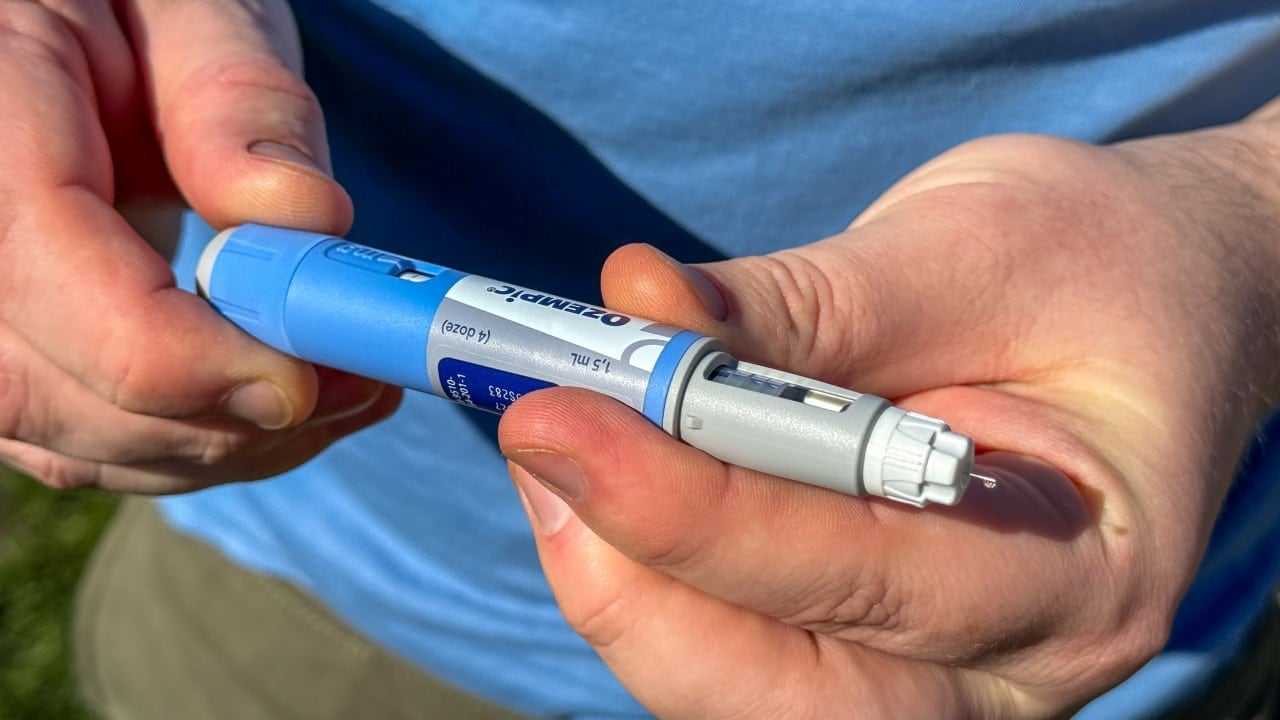
Health professionals register an unexpected pattern during the clinical monitoring of individuals undergoing treatment with Ozempic. The drug, initially approved by regulatory agencies such as Anvisa for the control of type 2 diabetes and popularized for its effectiveness in weight loss, has behavioral consequences. Users report a significant drop in the need to consume out-of-season food, alcoholic beverages and cigarettes. The change even affects the habit of making purchases without prior planning.
Change in behavior observed in offices
The perception of this change occurs spontaneously during routine consultations. Individuals describe the silencing of continuous thought focused on food, a phenomenon often called food noise. A package of cookies in the cupboard or a bottle of wine in the fridge lose their automatic attraction power. Smoking immediately after lunch also ceases to be an emergency for some patients.
Doctor Stephanie Rizk, a specialist in cardiology and intensive care, documented this trend in an article in the newspaper O Globo. The professional reports cases of people who experience a kind of decrease in the volume of internal impulses. The medication acts as a regulator of these sudden urges, changing the individual’s relationship with external stimuli.
The practical impact goes beyond the simple reduction of measurements on the scale. Reports include a lower frequency of visits to the kitchen motivated by boredom or anxiety. Financial control also appears in the descriptions, with patients noting a drop in the desire to purchase unnecessary products online or in physical stores.
How the active ingredient acts on the human brain
Semaglutide works as an analogue of GLP-1, a hormone naturally produced by the intestine after eating food. The original substance has the function of regulating blood glucose levels and delaying stomach emptying. The human body, however, has receptors for this hormone spread across several regions, including the central nervous system.
Traditional medicine used to treat compulsions in isolation, dividing patients between different specialties. Nutritionists focused on diet, psychiatrists treated alcoholism, and pulmonologists dealt with nicotine dependence. Brain anatomy works in an integrated way, using the same neural pathways to process different types of pleasure.
The brain’s reward system uses neurotransmitters, such as dopamine, to encourage the repetition of behaviors that generate satisfaction. The hyperactivity of this circuit results in addictions and impulses that are difficult to control. Clinical observations suggest that semaglutide can modulate this neural network, reducing the intensity of the response to pleasurable stimuli.
Impact on daily habits reported by users
The change in patients’ routine involves different fronts of impulsive behavior. Doctors catalog the changes based on statements collected during months of continuous treatment.
- Drastic drop in the search for ultra-processed foods and sweets during the early hours of the morning.
- Lack of interest in alcoholic drinks that were previously consumed daily for relaxation.
- Reduction in the number of cigarettes smoked throughout the day by chronic smokers.
- Reduction of unplanned expenses on e-commerce platforms.
- End the habit of opening the refrigerator door repeatedly without the presence of physical hunger.
These patterns indicate a reconfiguration in the way the brain processes immediate gratification. Medication creates a longer time interval between the visual or emotional stimulus and the motor action of consuming something.
Scientific research on chemical dependency
Academia began formal investigations to validate the observations made in the clinics. A recent randomized clinical trial evaluated the use of semaglutide in adults diagnosed with alcohol use disorder. The results showed that the medicated group had considerably fewer days of excessive drinking when compared to the group that received placebo.
Another survey documented a reduction in cravings, a technical term for the uncontrollable desire to consume a substance. Volunteers in this research recorded a drop in the total volume of alcohol consumed weekly. This preliminary data gained space in high-impact scientific journals, such as JAMA Psychiatry, attracting the attention of the global medical community.
The Brazilian scenario still lacks broad statistics on the topic, depending mainly on studies conducted abroad. Experts warn that current package inserts do not include the official indication of the medication for the treatment of addictions or compulsive disorders. The use for these specific purposes remains in the experimental and observational field.
Adverse effects and need for monitoring
The use of GLP-1 agonists requires caution due to the profile of adverse reactions associated with the substance. Patients often face problems in the gastrointestinal tract, with high levels of nausea, vomiting and episodes of diarrhea in the first few weeks of application. The body’s adaptation requires precise adjustments in the dosage recommended by the responsible doctor.
Accelerated weight loss carries an additional risk related to body composition. Rapid weight loss without the support of resistance exercise and adequate protein intake can result in sarcopenia, which is the severe loss of muscle mass. This condition compromises long-term mobility and metabolic health, requiring constant nutritional intervention.
Health professionals emphasize that pharmacological intervention acts as an aid tool, not as a definitive cure. Medication makes it easier to break vicious cycles, but maintaining results depends on building new lifestyle habits. Multidisciplinary monitoring remains the standard protocol to ensure patient safety.
New medical insight into the biology of addiction
The accumulation of evidence about semaglutide provokes a profound review in the way society views compulsion. Historically, the difficulty in controlling the consumption of food, alcohol or purchases was labeled as moral weakness or lack of discipline. Current reports prove that lack of control has measurable biological roots, dependent on chemical reactions in the nervous system.
Psychiatry and endocrinology begin to work in a more aligned way in light of these discoveries. The modern therapeutic goal does not seek to completely suppress human desires, but rather to balance brain chemistry so that the individual regains the power of choice. Understanding exactly how gut hormones affect daily decisions represents a significant advance in contemporary medicine.
The search for the drug maintains the original focus on treating obesity and controlling blood sugar levels. Reducing impulsive behaviors appears as a secondary benefit that improves users’ overall quality of life. Laboratories and universities have ongoing studies to map the full extent of these neurological effects in the coming years.
