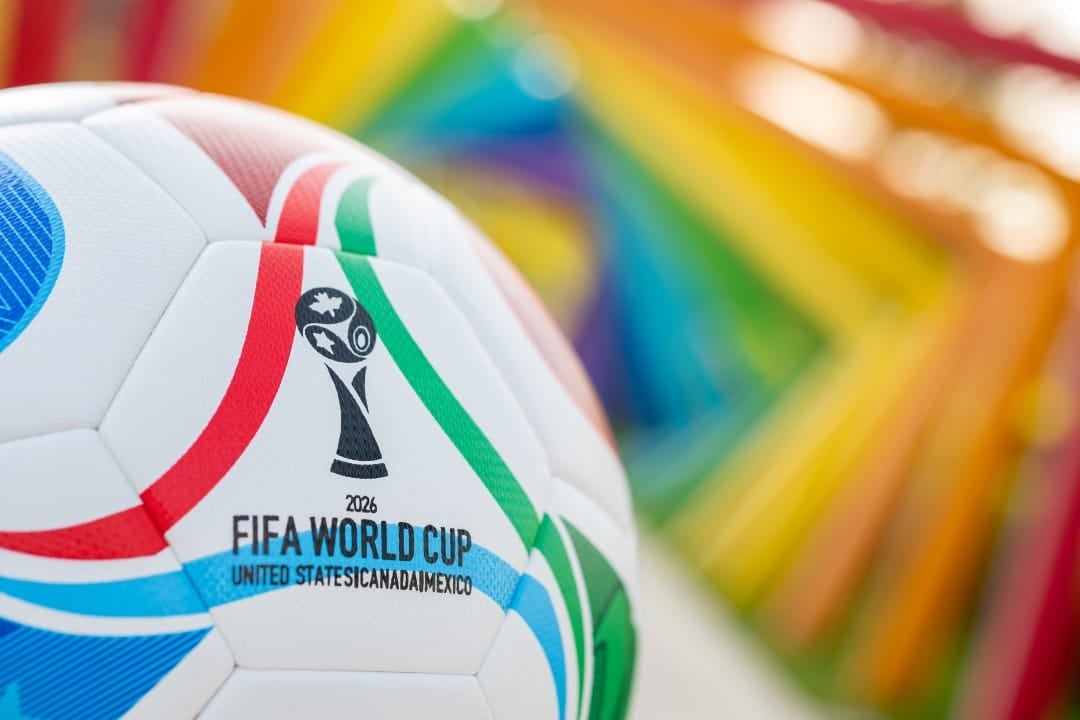
The 2026 World Cup begins this Thursday (11), with the kickoff at the Azteca Stadium, in Mexico, and promises to write new chapters in the history of the most prestigious tournament on the planet. On the eve of the edition with 48 teams for the first time, it is worth revisiting facts that helped transform the event into a global phenomenon.
First chapters and zebras that shocked the world
The beginning of the history of the World Cups came with Lucien Laurent, from France, who scored the first goal in 1930, in Uruguay. Shortly afterwards, Yugoslavia scored its first significant victory: 4-0 over Bolivia in that edition.
In 1934, Egyptian Abdelrahman Fawzi scored the first two African goals in World Cups, despite the 4-2 defeat to Hungary. Decades would pass before the continent shined consistently again.
The biggest upset of the time happened in 1950, in Belo Horizonte: United States 1 x 0 England. The British, considered unbeatable, were slow to believe in the result.
Biggest audiences, scores and legendary scorers
The Maracanã witnessed the largest audience in history for a World Cup match: around 200,000 people saw Uruguay beat Brazil 2-1 in the 1950 Maracanazo. Current security regulations prevent this number from being repeated.
The game with the most goals remains unmatched: Austria 7 x 5 Switzerland, in 1954, with 12 balls in the net. Just Fontaine, in turn, scored 13 goals in the 1958 World Cup, a mark considered unattainable without extra time.
Pelé, just 17 years old, started on the bench in Sweden-58 and emerged as champion, top scorer and world idol. In the same edition, North Korea beat Italy 1-0 and reached the quarterfinals, paving the way for Asian football.
Technological advances, cards and longevity records
The 1970 World Cup, in Mexico, brought the first color broadcast and immortalized the three-time champion Brazilian team. It was also when the first official substitution (Viktor Serebryanikov, from the Soviet Union) and the first yellow card (Evgeniy Lovchev, same team) took place. The first red came in 1974, with Chilean Carlos Caszely.
Tunisia gave Africa its first victory in 1978, beating Mexico 3-1. In the same year, Rob Rensenbrink scored the 1,000th goal in World Cup history, from the penalty spot.
Norman Whiteside became the youngest player to play in a World Cup, at 17 years and 41 days, in 1982. Four years later, Roger Milla, at 42, became a symbol of longevity when he scored for Cameroon in 1994. Essam El-Hadary, Egyptian goalkeeper, reached 45 years old in Russia-2018.
Recent records and what the 2026 edition could bring
The fastest goal belongs to the Turkish Hakan Şükür, in 11 seconds (officially 10.8) in the 2002 World Cup. Switzerland was the first team eliminated without conceding a goal, in 2006, falling on penalties to Ukraine after 0-0.
Brazil leads the historical ranking of goals scored in World Cups, with more than 230. Lionel Messi holds the record for matches played, with 26 games until 2022.
With the expansion to 48 teams and 104 games in 2026, the World Cup that starts this Thursday is expected to break records for total goals and opportunities. The tournament, which has had stadiums at an altitude of more than 2,600 meters and penalty shootouts since 1982, now takes on an even greater dimension as it is hosted by three countries for the first time: Canada, Mexico and the United States.
