The World Cup starts this Thursday, but the hotel sector in the United States is already a big loser. Occupancy rates fall in the 11 American host cities, with expectations much lower than in the other five sites in Mexico and Canada, where the volume of hotel reservations is higher.
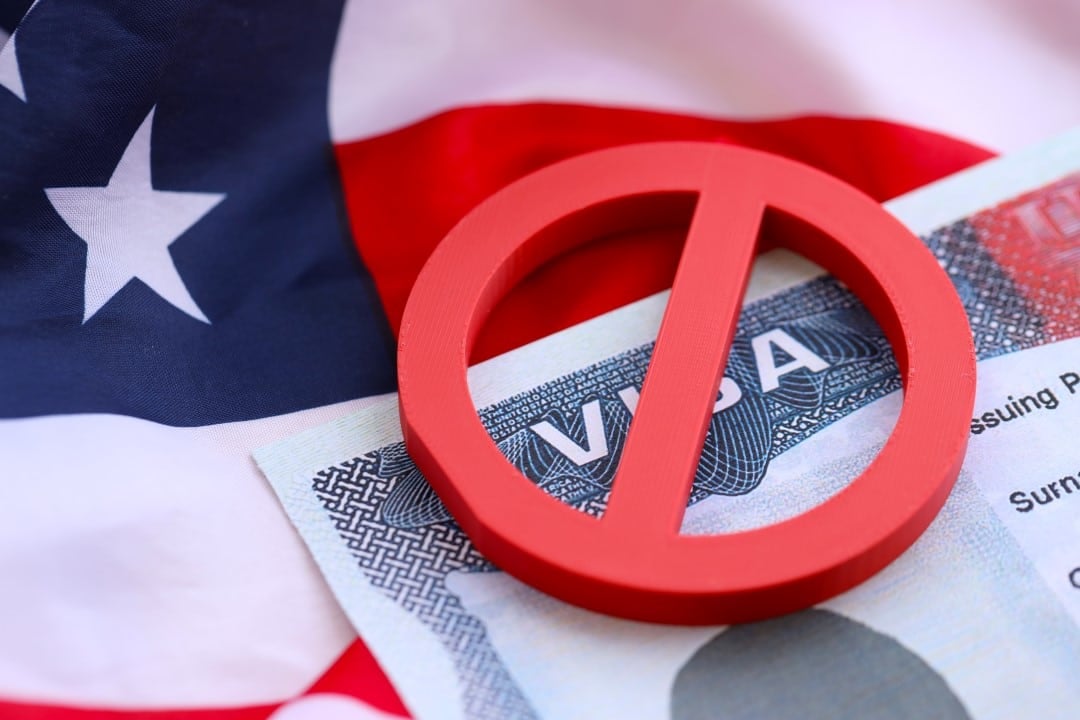
This situation is largely explained by the Trump administration’s restrictive visa and immigration policy. The measure alienates football fans from countries targeted by the United States and makes many of them opt for the other two host countries of the tournament.
Among the 48 participating teams, the delegations from Haiti and Iran receive a total ban on entry into the country. Ivory Coast and Senegal face partial restrictions, and other teams have postponed trips because of difficulties obtaining visas.
The tournament has not yet started, but episodes of hostile treatment by security at American airports are already attracting attention.
Considered by FIFA to be the best referee in Africa, Somali Omar Abdulkadir Artan was denied entry by immigration after 11 hours of interrogation and will not officiate at the World Cup. Iraqi striker Aymen Hussein was held for seven hours at O’Hare International Airport in Chicago. Security claimed that they confused the main name of the Iraqi team with someone else.
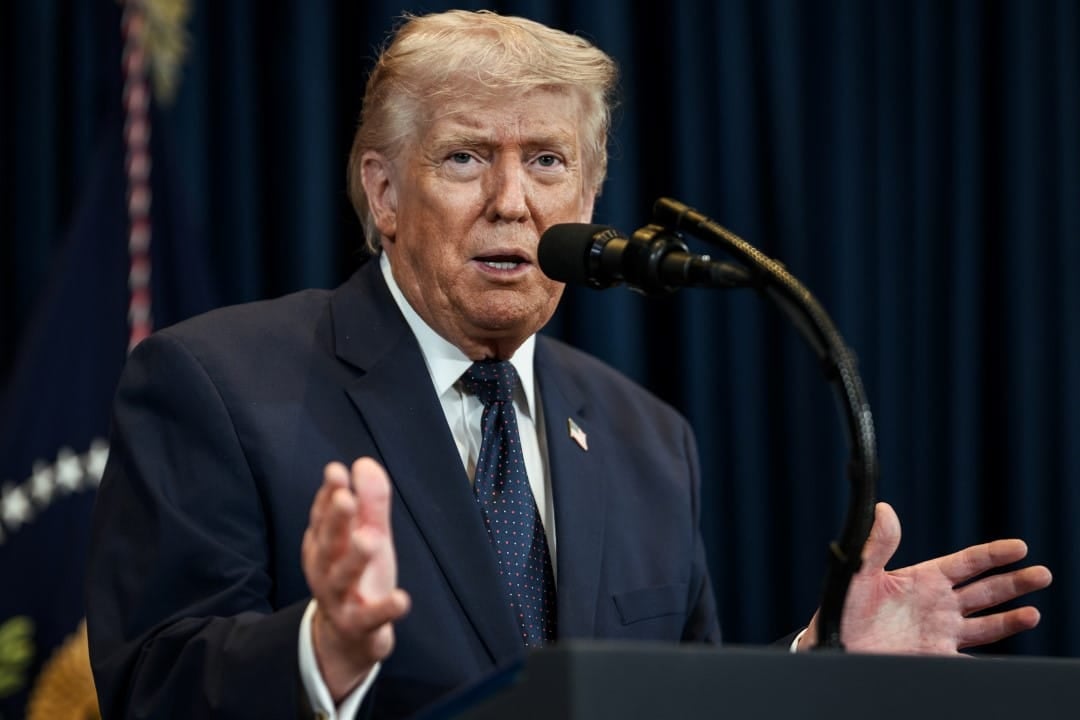
The fear of going through rigorous searches at American airports and even being deported discourages tourists.
According to CoStar, a company that tracks hotel sector data, Vancouver, Canada, and Guadalajara, Mexico, lead demand, with 48% of rooms occupied. In American cities the result is disappointing and, with the exception of Los Angeles, occupancy does not reach 40%.
Around 80% of hotel owners interviewed in a survey by the Hotel and Lodging Association (AHLA) reported that reservations were lower than initially expected. Seventy percent indicated that visa restrictions and geopolitical concerns have greatly reduced demand for international tourists.
“A number of factors have tempered initial optimism, although indicators show that there are still significant opportunities ahead. To realize this potential, the US and FIFA must ensure a welcoming and smooth experience for foreign travelers,” said AHLA President Rosanna Maietta.
Other aspects, such as the high price of tickets and transport costs, also helped to keep the public away from the event.
The reduction in tourism began to appear at the beginning of Trump’s second term as president, with the entry ban for citizens of 39 countries and the suspension of immigration visas for 75 nations.
This restrictive policy overlaps with FIFA, which organizes the tournament, but is unable to overcome the border barriers imposed by the Trump administration.
