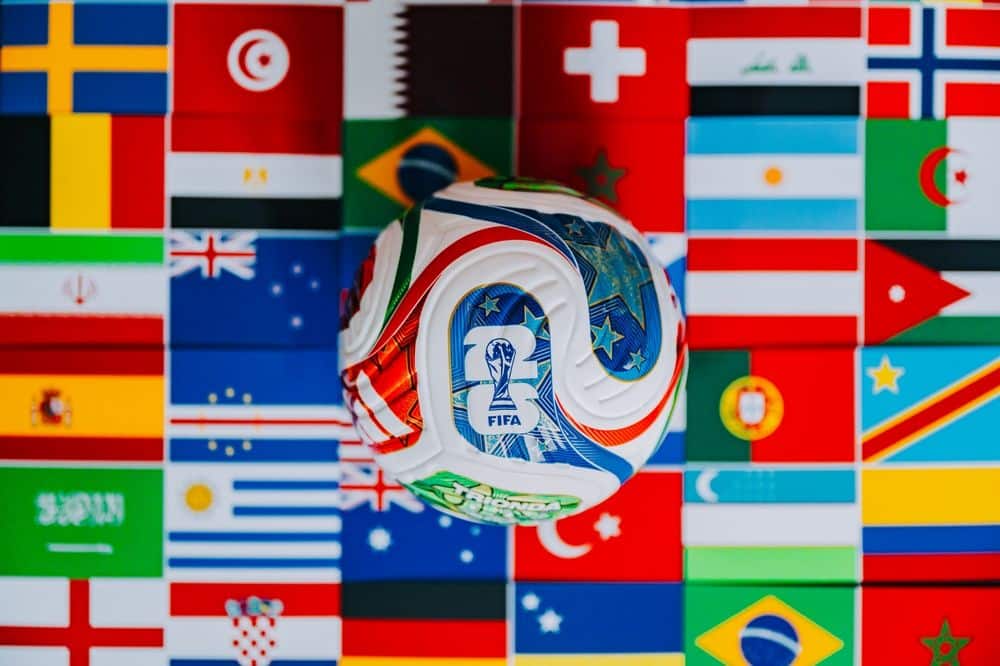
The 2026 World Cup has seen serious problems granting entry permits to citizens coming from nations facing travel sanctions imposed by the US government.
Within the group of 48 teams competing in the football tournament, four nations face these specific bureaucratic barriers: Iran, Senegal, Ivory Coast and Haiti.
Press professionals, fans and even members of technical committees from these nationalities, especially from Iran, encounter severe barriers in obtaining the necessary documentation to enter the United States.
The case of Somalia illustrates the rigor of these measures, as an arbitrator originally from the African country ended up being sent back shortly after landing in North American territory.
If the rules remain as they are in force, the situation is likely to become even more serious in 2028, when the city of Los Angeles will host the next Summer Olympic Games.
Currently, the list of total restrictions implemented by the US State Department covers citizens of 19 different nations, including the Palestinian Authority.
Another 20 territories face partial sanctions, which make it impossible to issue immigration visas and impose rigid barriers to tourism and student exchanges.
During the last edition of the global sporting event, held in Paris in 2024, these 39 sanctioned countries sent a contingent of 492 competitors to France, without counting journalists and technical teams.
This volume of athletes represented a share corresponding to practically 5% of all those registered in competitions in the French capital.
Below are details of the number of competitors per nation who attended the previous European event:
Group with total restriction
- Afghanistan: 6
- Burkina Faso: 8
- Congo: 4
- Chad: 3
- Eritrea: 14
- Haiti: 7
- Iran: 40
- Laos: 4
- Libya: 6
- Mali: 24
- Myanmar: 2
- Niger: 7
- Sierra Leone: 5
- Syria: 6
- Somalia: 1
- Sudan: 4
- South Sudan: 14
- Yemen: 4
- Palestinian Authority: 8
Countries with partial restriction
- Angola: 25
- Antigua and Barbuda: 5
- Benin: 5
- Burundi: 7
- Ivory Coast: 13
- Cuba: 61
- Dominica: 4
- Gabon: 5
- Gambia: 7
- Malawi: 3
- Mauritania: 2
- Nigeria: 86
- Senegal: 11
- Tanzania: 7
- Togo: 5
- Tonga: 4
- Turkmenistan: 6
- Venezuela: 33
- Zambia: 29
- Zimbabwe: 7
Together, the 39 delegations prevented or limited by Washington’s rules guaranteed a total of 23 podiums in France, with central emphasis on the performance of the Iranian and Cuban teams, which won 12 and 9 medals, respectively.
In addition to the obstacles to movement issued by American federal agencies, certain countries live with bank blockades that make basic commercial transactions of their citizens unfeasible.
As discovered behind the scenes at the international football federation, the guidelines of the Office of Foreign Assets Control bar financial transactions between companies based in the United States with residents of Iranian territory, making it impossible to directly purchase tickets for stadiums, which forces the search for alternatives for citizens residing abroad.
