
Bill Gates told members of the House of Representatives Oversight Committee that he had no knowledge of Jeffrey Epstein’s crimes and that the convicted financier tried to use information about his personal life, including infidelities in his marriage, to pressure him.
“I never witnessed or had any indication that Epstein was engaged in ongoing criminal conduct. I never went to his island, his ranch or his home in Florida. I never victimized anyone,” Gates said, according to prepared opening remarks. “While he may have sought to foster a personal relationship, I was never interested in that and never responded.”
The Microsoft co-founder was introduced to Epstein in 2011. The financier promised to raise billions of dollars for global health. Gates acknowledged that he was aware of Epstein’s previous legal problems, but admitted that he did not apply due scrutiny at the time.
He described interactions with Epstein as “limited” and said they ended completely in December 2014. Gates further alleged that Epstein tried to use what he knew about his infidelities, “in addition to the many lies he added” to pressure him to resume contact after the relationship ended.
“He was unsuccessful in that effort, but this shows some of the ways he tried to leverage interactions with me to advance his agenda. I should never have met with Epstein in the first place,” Gates stated.
The meeting with Epstein represented, according to him, a “serious error of judgment”.
The closed-door testimony comes after the release of Jeffrey Epstein files this year, which raised questions about Gates’ ties to the late sex offender. This is the 15th interview conducted by the committee, and Gates’ in-person appearance at the Capitol is one of the most prominent to date before congressional investigators.
Speaking to reporters upon arrival Wednesday, Gates said he was “happy to be here voluntarily to testify and help with the work of the committee.” He added that he would begin with an opening statement and hoped his testimony would contribute to the “important” quest for justice for the victims.
Oversight Committee Chairman James Comer told CNN before the appearance that there were no limitations on the scope of questions for the interview. “Anything is on the table,” added the Kentucky Republican, noting that Gates may not be “eager” to testify, but is “willing” to speak.
At one point during the questioning, however, Gates’ lawyer informed parliamentarians that the billionaire would not answer questions about his extramarital affairs unrelated to the Epstein case, according to a person present in the room.
Gates is part of a group of powerful figures in Epstein’s circle that includes names like Howard Lutnick and Bill Clinton, who appeared in videos or photos released by the Justice Department from the case files.
Comer told reporters Wednesday that he plans to call more high-profile individuals, including Alan Dershowitz and Acting Attorney General Todd Blanche, to testify in July.
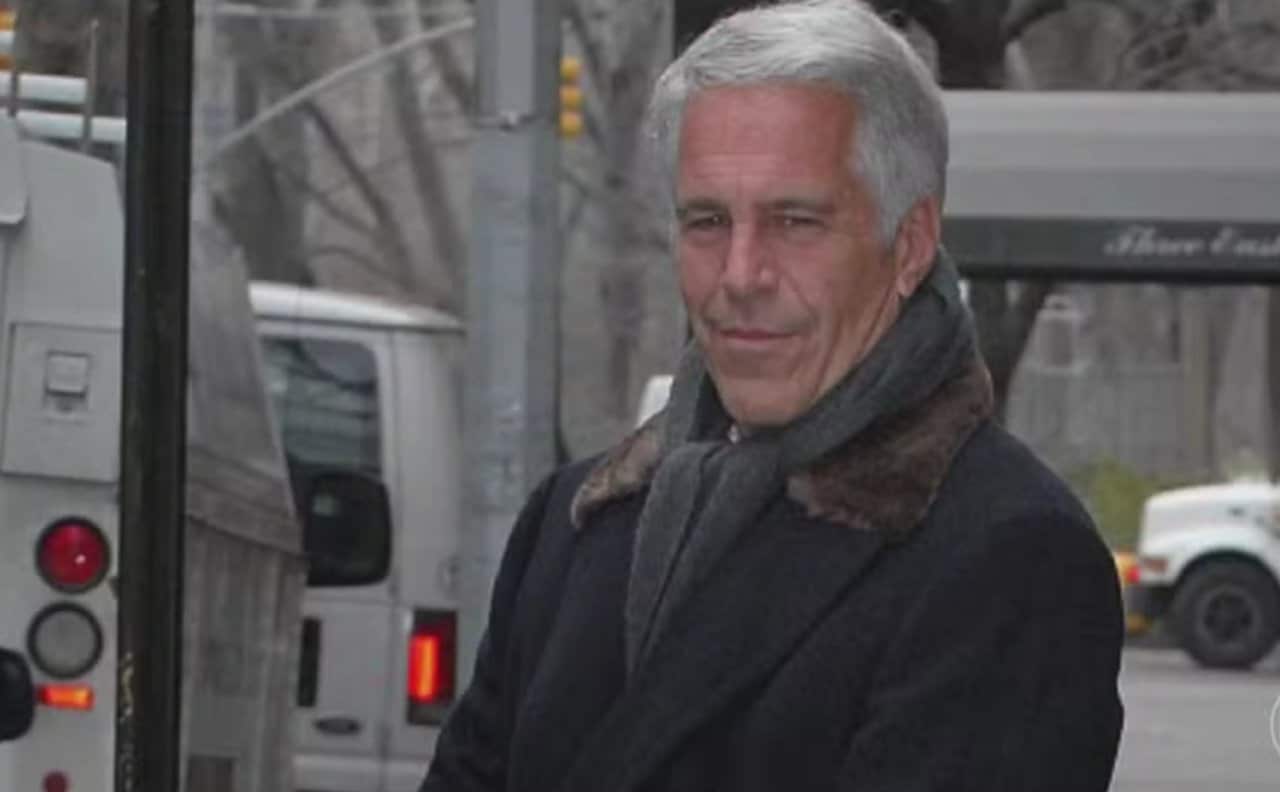
Gates’ relationship with Epstein under scrutiny
The oversight panel sought Gates’ voluntary cooperation after a batch of declassified documents revealed a series of graphic unverified allegations and a more detailed degree of philanthropic coordination between Gates and Epstein than previously known.
As previously reported, the most explosive elements of the previous release of documents involved two drafts of emails that Epstein apparently wrote to himself in July 2013. In these texts, riddled with typos and vitriol, Epstein appears to allege that he facilitated sexual encounters for Gates and helped him obtain medication to hide a sexually transmitted infection from his wife.
It is unclear who drafted the 2013 draft messages saved in Epstein’s email account or whether they were sent, but they are addressed from Epstein to himself. Although the emails suggested at the time some kind of rupture in the friendship, meetings and exchanges of messages continued during this period.
Gates was asked about the draft emails, including one that mentioned an STD, during the closed-door interview, Democratic Rep. Robert Garcia told reporters. Two sources familiar with Gates’ testimony said he refuted the STD allegation, and Garcia noted that Gates testified “that he felt like Mr. Epstein would write emails to himself and just say things that weren’t true or didn’t happen.”
Gates, according to Garcia, was “very clear that he was never introduced to women or girls or anyone underage by Mr. Epstein, he has made that clear several times, but he will continue to be questioned about these emails.”
Gates has vehemently denied the allegations previously, and a representative for him told CNN: “These allegations are absolutely absurd and completely false. The only thing these documents demonstrate is Epstein’s frustration at not having an ongoing relationship with Gates and the lengths he would go to arrest and defame.”
Gates was asked about the latest documents in an interview with CNN affiliate Nine News in Australia in February. He reiterated that the email was fake and that he regretted every minute spent with Epstein.
The more than 3 million pages released by the DOJ contain several hundred references to Gates, including numerous emails detailing schedules of proposed meetings, meals, phone calls, and attempts by Epstein to arrange meetings with Gates. All documented interactions with Gates occurred after Epstein’s 2008 conviction on prostitution-related charges.
