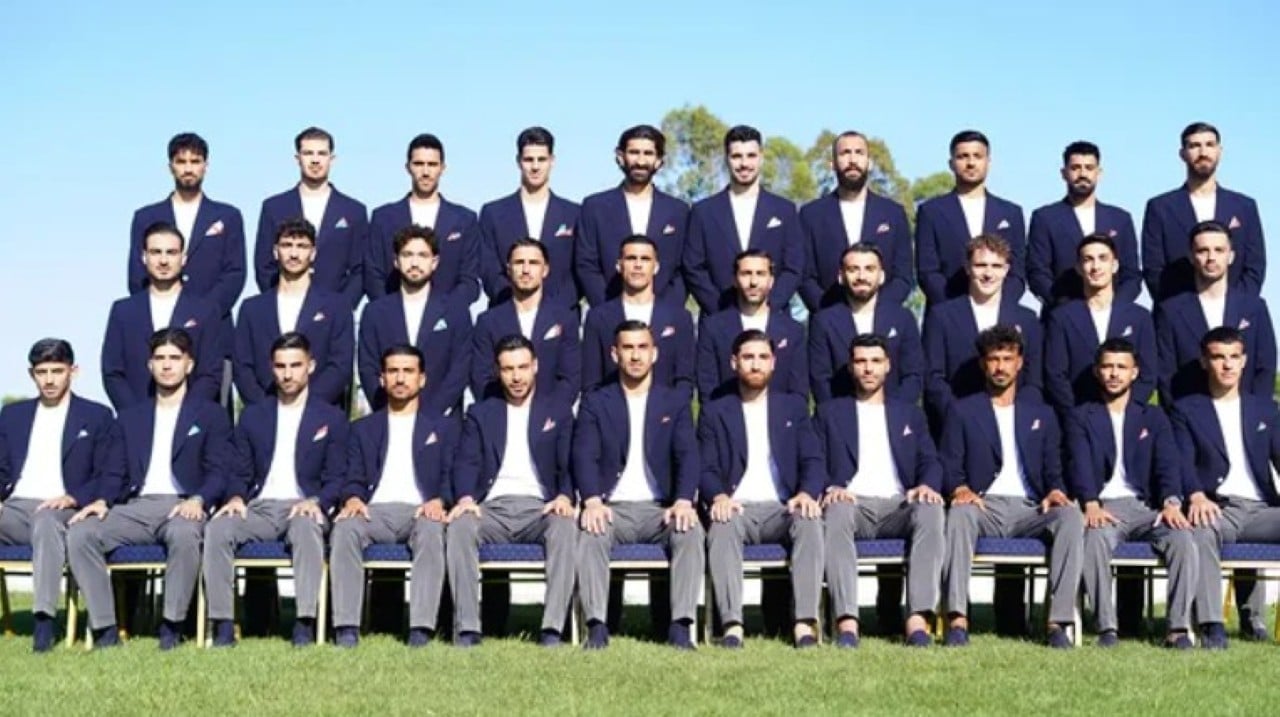
Iranian authorities have reinforced their position against demonstrations in support of the LGBT+ cause during the 2026 World Cup. The Minister of Sports and Youth, Ahmad Donyamali, stated that coach Amir Ghalenoei will be obliged to stop the match if fans take flags or items considered “unofficial” to the stadium.
The alert focuses on the match in the third round of Group G, scheduled for June 27, in Seattle, against Egypt. The American city defined the game as “Pride Match”, as it coincided with the weekend of local LGBT+ celebrations. Fan organizations plan to bring diversity flags to the stadium, which generated a reaction from federations in both countries.
Prior request to FIFA and tensions in Group G
Federations from Iran and Egypt had already sent letters to FIFA requesting the prevention of any activity related to the LGBT+ cause in the duel. The Reuters agency and Iranian vehicles echoed Donyamali’s statements, who treated the items as possible “slogans against the national team”. According to him, the technical commander would be held responsible for any interruption.
The case adds to other controversies involving the Iranian delegation in the competition hosted by the United States, Canada and Mexico. Recently, full-back Omar Artan was refused entry to the USA even with a diplomatic passport, which expanded discussions about visas and security for the team.
Context of strict laws and history of protests
Iran maintains one of the most severe laws in the world against the LGBT+ population, with punishments that can reach the death penalty. This explains the country’s sensitivity towards symbols of diversity at international sporting events. Egypt also publicly rejects activities supporting homosexuality during the tournament.
The designation “Pride Game” was defined by local organizers before the draw of the keys. Even with the confrontation between two teams of nations that criminalize homosexuality, the Seattle committee maintains its celebration plans, including the distribution of flags and events throughout the city. So far, FIFA has not officially commented on specific interventions for this match.
What changes in practice for the tournament
A possible interruption due to a technical decision would create a serious precedent in the history of the World Cup. FIFA protocol provides that games are only stopped in exceptional cases of security or pitch invasion, and unilateral action by a team could result in serious disciplinary sanctions, such as loss of points or elimination.
The episode also highlights the cultural shock inherent in holding the World Cup in a country with a strong presence of LGBT+ communities, such as the United States, while several participating teams come from nations with legal restrictions on the topic.
