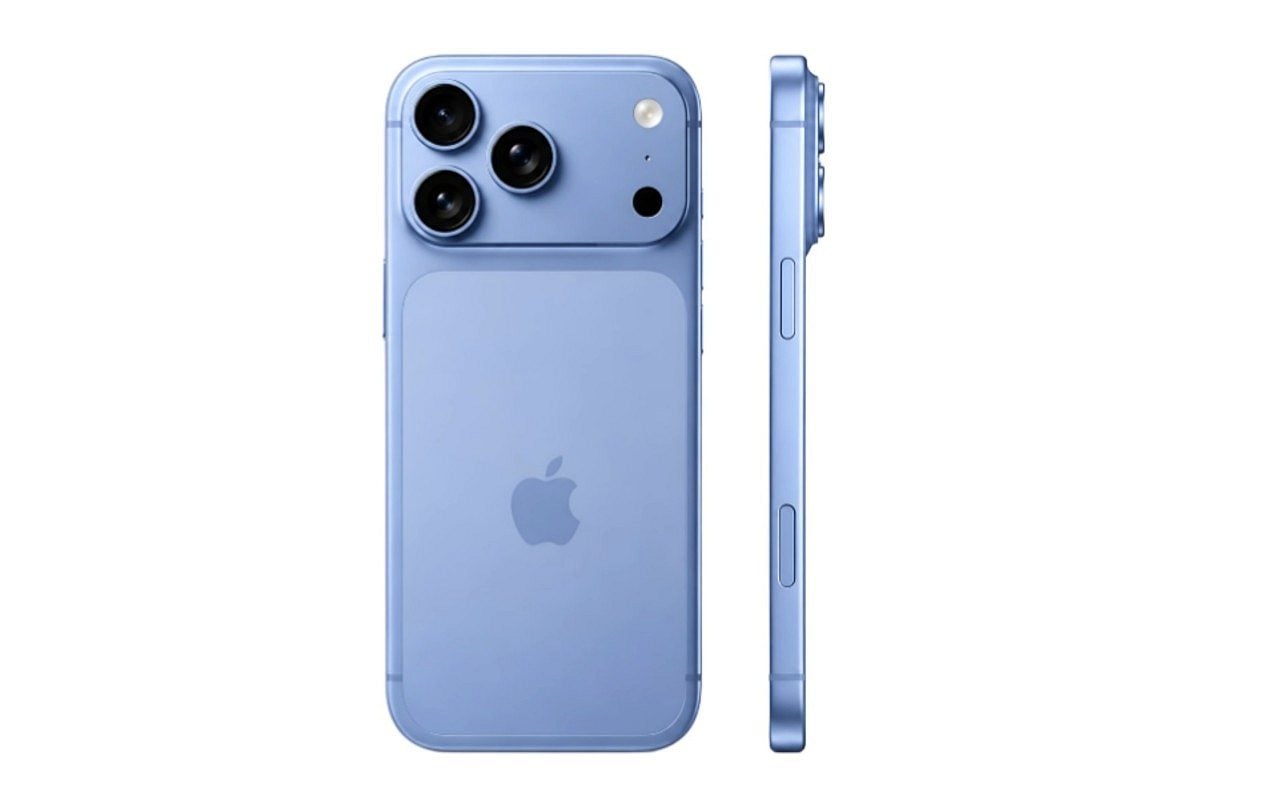
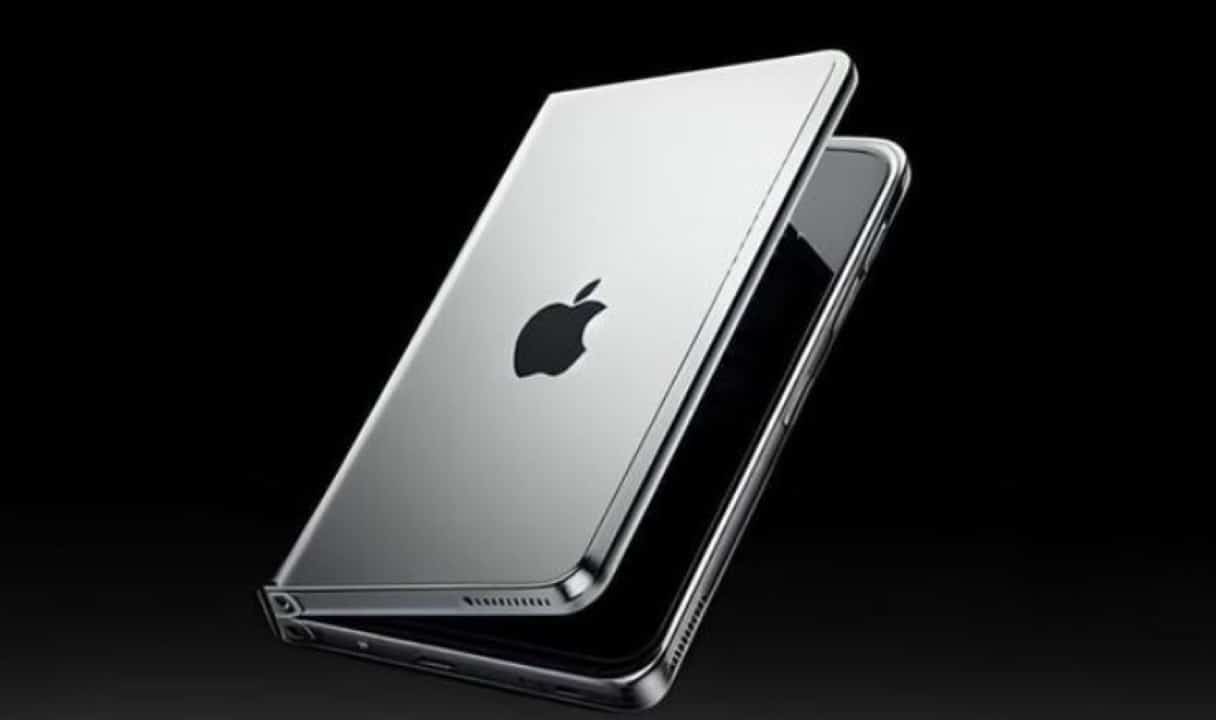
Technology giant Apple plans a significant change for its smartphone catalog in the second half of 2026. The company plans to divide its premium offerings into two distinct categories, focusing on audiences with different needs. On the one hand, the iPhone 18 Pro focuses on improving cameras and maximum energy efficiency, while the unprecedented iPhone Ultra introduces the brand into the foldable screen segment with a 7.8-inch internal display. The purchasing decision will require the consumer to evaluate the level of technological risk they are willing to assume.
Advances in processing and two-nanometer architecture
The two new devices will share the A20 processor base, manufactured by the Taiwanese company TSMC using 2 nanometer lithography. This reduction in transistor size represents a milestone in the semiconductor industry, allowing the component to operate at lower temperatures. Preliminary data from the hardware sector indicates that this new chip will deliver 15% higher speed than its direct predecessor. Furthermore, energy consumption will be reduced by around 30%, benefiting screen-on time.
The distribution of firepower, however, will not be equal between the models. The Pro version will receive an exclusive variant called A20 Pro, designed with extra graphics processing cores and an expanded neural engine for complex tasks. The foldable model will have the standard version of the A20 chip, a decision that reflects the limitations of heat dissipation in an articulated chassis. This chip segmentation strategy has already been adopted by the manufacturer in previous generations to justify the price difference.
Camera configurations separate the traditional model from the foldable
The photographic set will be the main factor in the technical distance between the two releases. The iPhone 18 Pro will maintain the three rear lens system, but will introduce variable aperture technology on the main 48-megapixel sensor. This physical mechanism allows the lens blades to close in very bright environments or to open fully in dark places. This is true optical control over light input and depth of field, reducing sole dependence on software algorithms to correct images.
The iPhone Ultra’s foldable form factor required direct sacrifices in the photography department. The device will have only two 48 megapixel rear sensors, losing the dedicated telephoto lens for optical approximation. The internal engineering of a cell phone that folds in half simply does not provide the physical space necessary to accommodate the periscopic zoom module. This absence puts the brand’s most expensive device at a direct disadvantage against the traditional version when it comes to capturing images from a distance.
- iPhone 18 Pro: triple set of rear cameras with variable aperture technology and exclusive telephoto lens for advanced zoom.
- iPhone Ultra: dual rear camera system, absence of dedicated lens for zooming in and focusing in a compact design when closed.
- Practical difference: the traditional model will deliver superior results in night photography and capturing distant objects.
Battery autonomy comes up against the physical limitations of screens
Battery life is always among the main demands of consumers of premium devices. Leaked supply chain documents indicate that the iPhone 18 Pro Max will house a component with a capacity between 5,100 and 5,200 mAh. This energy tank will work in conjunction with the new generation of LTPO+ screens, which adjust the refresh rate more aggressively to save charge. This combination ensures that the larger model delivers the best usage time away from sockets across the entire 2026 line.
The energy scenario of the folding model remains covered by technical uncertainties. Powering a 7.8-inch internal panel requires a massive amount of energy, much higher than the consumption of the 6.9-inch screens present in conventional versions. The big problem is that the central hinge mechanism takes up valuable space that, on a regular cell phone, would be filled by battery cells. To date, no industry source has been able to confirm the exact capacity in milliampere-hours that the manufacturer will be able to build into the articulated chassis.
Structural risks in the first generation of an articulated device
The manufacturer’s late entry into the foldable market, years after competitors like Samsung established the Galaxy Z Fold line, increases the pressure for an impeccable product. However, the first generation of any radical shape change carries durability unknowns that laboratory tests cannot fully predict. The resistance of the hinge after thousands of daily openings and the visibility of the crease in the middle of the screen are chronic problems with this type of technology. The company invests billions to create a perfectly smooth panel, but the practical result will only be known in the hands of users.
Some structural limitations have already been confirmed by the engineers involved in the project. The iPhone Ultra will not offer native support for the MagSafe line’s magnetic accessories, as the magnets do not fit into the thin structure of the device’s halves. When the device is closed, its thickness will reach 11 millimeters, making it considerably more robust in the pocket than the Pro line. On the other hand, the traditional model maintains dimensions almost identical to previous generations, ensuring full compatibility with the ecosystem of chargers and covers already on the market.
Purchase recommendations based on daily usage profile
The choice between the two technological paths will strictly depend on each individual’s priority. Users who use their smartphone as their main photography and video recording tool should opt for the iPhone 18 Pro without hesitation. The implementation of variable aperture in the main lens represents the brand’s biggest optical evolution in years. For those who spend the entire day outside the home and cannot depend on portable chargers, the Pro Max version delivers the security of a documented high-capacity battery.
The public attracted by the concept of a cell phone that transforms into a small tablet needs to evaluate the real need for this expanded screen. If the 7.8-inch panel is not essential for reading complex documents or editing spreadsheets, purchasing the foldable model becomes an unnecessary risk, as the lack of consolidated features and doubts about the useful life of the flexible screen suggest that waiting for a second iteration of the product is the most sensible attitude. The conventional model delivers absolute certainties, while the articulated novelty still requires a vote of confidence in engineering.
