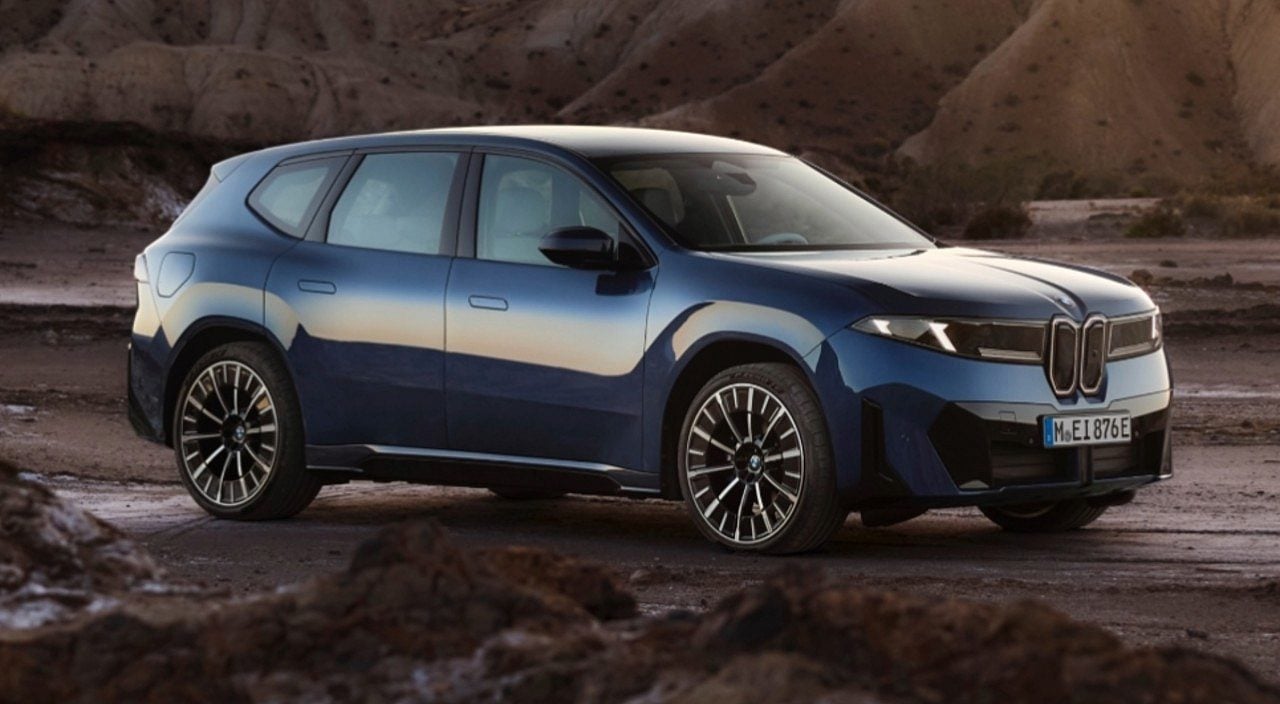
German automaker BMW recorded a significant commercial milestone with the introduction of its latest zero-emission sports utility vehicle on the European continent. The iX3 model, which carries the responsibility of being the debut vehicle of the Neue Klasse architecture, took the sales lead in its category in April. Data consolidated by the market intelligence company Dataforce shows that the car reached the mark of 10,299 units delivered to customers in a single month.
The volume of registrations draws the attention of the automotive sector because it occurs in an extremely short period of time after the official launch. The first units of the vehicle began arriving at European dealerships only in March, which demonstrates immediate acceptance by high-end consumers. This initial performance guaranteed the electric utility vehicle seventh place in the general ranking of premium mid-size SUVs, considering accumulated sales between January and April of the current year.
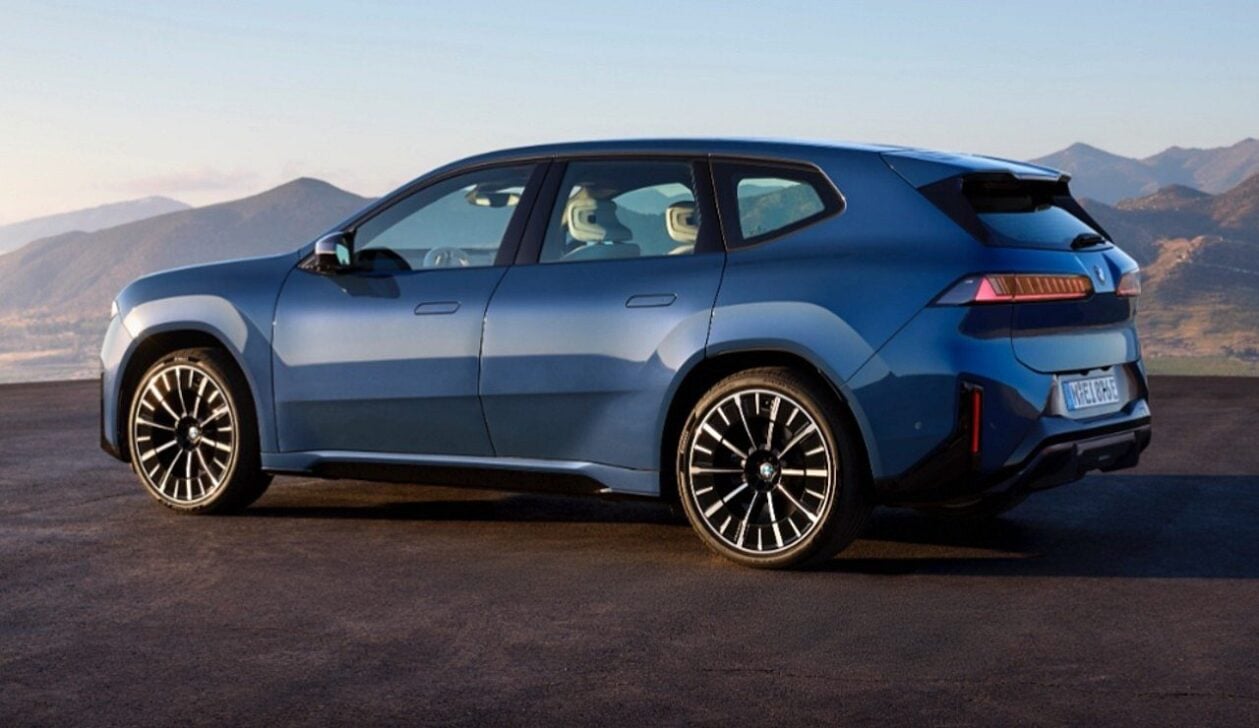
The Neue Klasse platform represents a paradigm shift in the Bavarian manufacturer’s engineering, abandoning adaptations to combustion car chassis to focus on a base developed exclusively for electrification. This dedicated engineering strategy allowed us to optimize internal space, reduce structural weight and improve the aerodynamic efficiency of the design. The practical result of this change directly reflects the interest of the public, who found the new product to be a viable alternative to traditional thermal engines.
Growth of the premium segment and direct competition
Despite the rapid advancement of electric technology, models powered by fossil fuels still maintain absolute leadership in terms of total volume in the European market. The combustion Mercedes-Benz GLC dominated the four-month ranking with 41,227 units sold, maintaining a comfortable distance from other competitors. Soon after, the gasoline version of the BMW X3 secured second place, registering 38,389 cars delivered in the same period.
The performance of the new iX3, however, gains relevance when compared to its direct peers in the world of electrification. The volume of registrations was robust enough for the utility to surpass competitors established in the market for longer. Prestigious models such as the Polestar 4, the Audi Q5 Sportback and the Porsche Macan fell behind in the ranking of European consumer preferences during the period analyzed.
The arrival of new products with cutting-edge technology has acted as a catalyst for the recovery of the entire premium utility vehicle niche. The combination of sales of the BMW model with the advance of the recently launched Mercedes-Benz GLC EV helped to reverse a stagnation curve that worried automakers. The segment’s total sales registered an 8% growth in the first four months of the year compared to the same period last year.
To understand the magnitude of this recovery, it is necessary to look at the recent history of the European automotive market. During the first four months of 2025, the increase in sales in the category had been just 1% compared to 2024 figures. The abrupt acceleration to around 8% shows that the barrier to adoption of electric cars begins to decrease when manufacturers offer products that match or surpass the convenience of traditional vehicles.
State-of-the-art electrical architecture and technical specifications
The early acceptance of the German utility is directly supported by the technical specifications offered by the project. The brand’s engineering focused on solving the main pain points for electric car users, especially with regard to range anxiety and time spent at charging stations. The model hits the market with a starting price of US$62,850 in the United States, a value that positions it with a higher cost-benefit ratio than an equivalent gasoline-powered X3 M50 xDrive.
The vehicle’s technological package sets a new standard for the luxury medium SUV category. The manufacturer chose not to save on the fundamental components that guarantee daily usability and the ability to undertake long journeys without setbacks. Project technical data includes:
- 800 volt electrical architecture that allows the use of ultra-fast charging stations with a maximum power of 400 kW.
- Ability to recover from 10% to 80% of the battery charge in just 21 minutes when plugged in.
- Range estimated at 434 miles, equivalent to around 698 kilometers, according to rigorous tests by the environmental agency EPA.
- Mechanical assembly consisting of two electric motors that operate together to deliver a maximum power of 463 horsepower.
The combination of a high-density battery with the ability to absorb energy quickly transforms the dynamics of car use on highways. Stops that previously required hours of waiting now resemble the time spent at a conventional gas station to fill up, go to the bathroom and buy a coffee. This level of convenience is seen by industry experts as the decisive factor in convincing conservative consumers to make the energy transition.
Factory expansion in Hungary and rival automakers’ race
The market’s response exceeded the initial projections of the automaker’s planning department. The company’s management confirmed the receipt of at least 50,000 firm orders for the utility, a volume that required immediate adaptations in the supply chain. To cope with the increased demand, the manufacturer needed to bring forward the implementation of an extra work shift at its modern industrial facility located in the city of Debrecen, Hungary.
The Hungarian complex was specifically designed to be the birthplace of the Neue Klasse platform and operates with strict sustainability standards, using clean energy in its manufacturing processes. The need to accelerate production in the first months of the product’s life indicates that the aggressive pricing strategy combined with high technology had the desired effect on dealerships.
BMW is not navigating this new phase of expansion in the European electric market alone. Other luxury brands have adopted similar formulas and are also reaping impressive results in stores. Volvo, for example, structured its annual planning to produce 40 thousand units of the recently presented EX60. The Swedish model shares the same philosophy of offering an 800-volt architecture, shorter recharging times and table values comparable to the combustion versions.
Mercedes-Benz faces an even more intense demand scenario with its electric GLC. The Stuttgart manufacturer officially announced that its entire production capacity for the model is already committed by customer reservations until the second half of 2026. This prolonged waiting list demonstrates that consumers with high purchasing power are willing to wait months to have access to vehicles that deliver the complete electrification experience without compromising luxury and performance.
Next steps for the German automaker towards the North American market
The superlative numbers recorded to date exclusively reflect the behavior of the European market, where the public charging infrastructure already has a high level of maturity. The next big test for BMW’s unprecedented platform and its direct competitors will take place on the other side of the Atlantic Ocean, in a scenario with very different consumption dynamics.
The automakers’ official schedule predicts that the three luxury electric crossovers will arrive at dealerships in the United States by the end of this year. Entering the North American market will require a robust commercial strategy, as European models will face direct competition from local products that already dominate the streets.
The main barrier to be overcome will be the Tesla Model Y, which maintains the isolated sales leadership in the country and dictates the price rhythm of the segment. In addition to Elon Musk’s brand, European utility vehicles will have to compete for buyers’ attention with recent launches from the local industry, such as the Cadillac Optiq, which bets on traditional American design combined with generous packages of onboard technology to attract the public loyal to Detroit brands.
