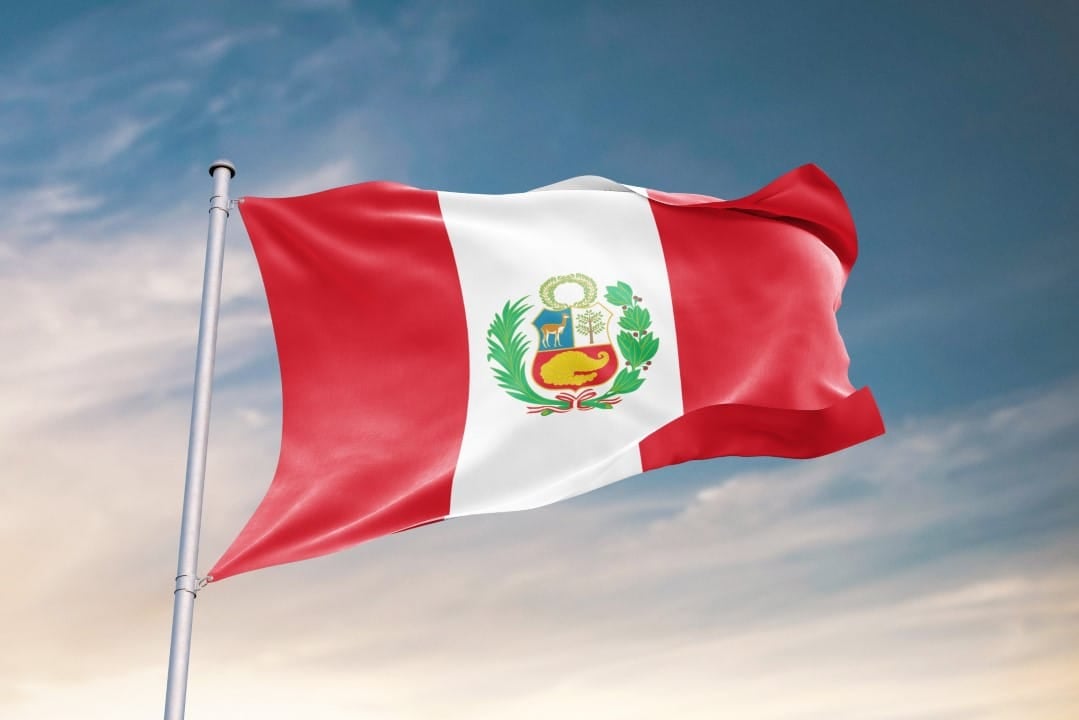
With almost all the counting completed, conservative candidate Keiko Fujimori resumed the lead in Peru’s presidential election this Thursday (11). She appears with 50.002% of the votes against 49.998% of her left-wing rival Roberto Sánchez, a difference of just 561 votes, according to data from the National Office of Electoral Processes (ONPE).
The turning point occurred with the advancement of the count of votes sent from abroad, which favor Fujimori. To date, 98.216% of ballots have been processed. The final result may still take weeks to be made official.
The June 7 election reflects the country’s deep polarization. Fujimori, who is running for office for the fourth time, leads the Popular Force party. Sánchez, from Together for Peru, gained ground with votes from rural areas.
Geography and printed vote explain slownessPeru uses paper ballots, which need to be transported from remote regions to counting centers. In jungle and mountain areas, the process involves boats or pack animals, which lengthens the time frame. Votes from abroad also arrive later.
This structure, combined with the minimum margin, means that the official outcome will be mid-July. In the last elections, small differences generated long counts and questions.
Political instability as a backdropThe next president will be the ninth in ten years in Peru. No president completed a five-year term in this decade marked by dismissals, resignations and scandals. The crisis of governability and distrust in institutions weighs on the election.
Fujimori promises to toughen up the fight against crime, attract private investment and tax reforms. Sánchez defends measures against poverty, support for family farming and greater state participation in the economy. He also signaled his intention to pardon former president Pedro Castillo.
What’s at stake for the countryA victory for either candidate is unlikely to bring a majority in Congress, which could maintain instability. The tight result reinforces the division between urban, rural regions and the diaspora. Peru seeks stability to deal with challenges such as public security, economy and mineral exploration.
The investigation continues and possible objections could change the final picture. Until then, the country follows the score that keeps fluctuating.
