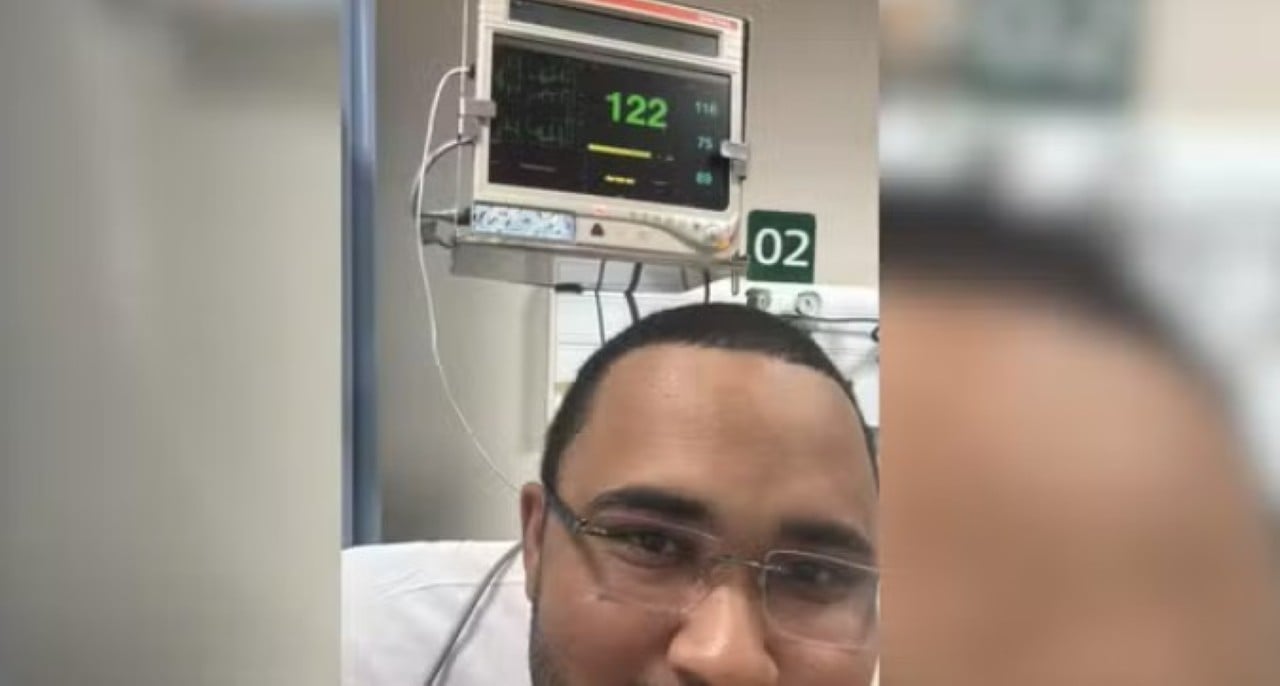
An alert issued by a smart watch changed the routine of Robson de Oliveira Cardoso, a 35-year-old technology analyst, in São José do Rio Preto, in the interior of São Paulo. Without feeling any apparent discomfort, he was at home when the device warned about an elevated heart rate. A second notification convinced him to seek medical attention.
In the emergency room, doctors measured 160 beats per minute. The electrocardiogram confirmed atrial fibrillation, an arrhythmia that causes the heart’s atrium to tremble in a disorderly way instead of contracting normally. The condition increases the risk of clots and stroke if left unchecked.
Robson was transferred to Hospital de Base, where he spent a day in the ICU for monitoring. After discharge, he began follow-up with a cardiologist and uses medication to stabilize his heart rhythm.
Atrial fibrillation can be silent
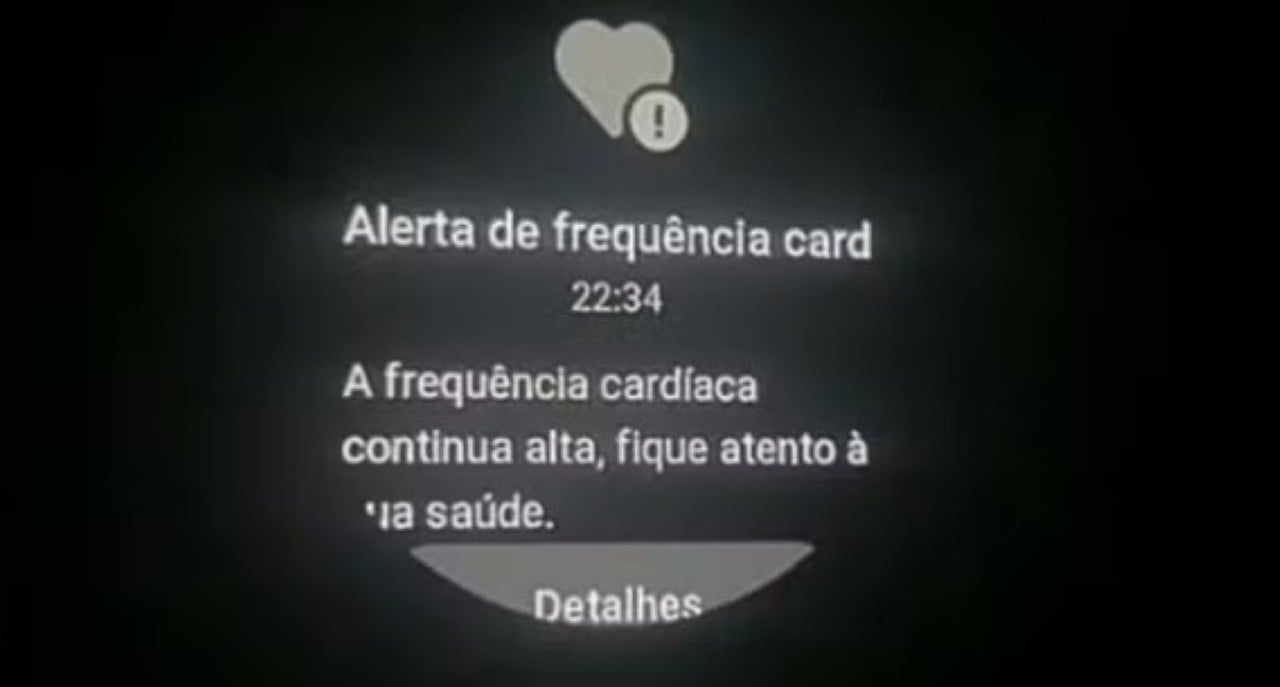
Many cases of atrial fibrillation occur without obvious symptoms, especially in younger or physically fit people. International studies, such as the Apple Heart Study, show that wearable devices identify irregular pulses on a large scale, with subsequent medical confirmation in a significant portion of alerts. In Robson’s case, the warning came at an opportune time, before major complications.
What changes with early diagnosis
Early treatment with medication allows you to control the rhythm and reduce risks. Without the watch’s warning, Robson could have remained undiagnosed indefinitely. Cardiologists highlight that, although smartwatches do not replace medical examinations, they function as a screening tool, encouraging people to seek help when something goes out of the normal.
Experts recommend that anyone who receives repeated alerts seek cardiological evaluation, especially if there is a family history of arrhythmias or other risk factors. The episode reinforces the growing role of technology in monitoring daily health.
