
South Korean giant Samsung Electronics began making an unprecedented feature available to buyers of the recently announced Galaxy S26 family on a global scale at the beginning of this week. This system update ensures that owners of the Galaxy S26, S26+ and S26 Ultra variants will be able to transfer photographs, video recordings and work folders directly to Apple equipment, which includes iPhones, iPads and Mac computers. Such communication takes place through AirDrop technology, a transfer environment that, until recently, operated in a strictly closed manner within the limits of the American manufacturer.
All this software engineering was born from a deep partnership led by Alphabet, Google’s parent company, with the clear objective of breaking down the virtual walls that separated Android and iOS. This data bridge debuted timidly on Pixel 10 family phones last year, only now appearing on the Asian brand’s most expensive smartphones. To take advantage of this facility, the consumer must enter the Quick Share application preferences and turn on the switch that authorizes data exchange with devices from other brands.
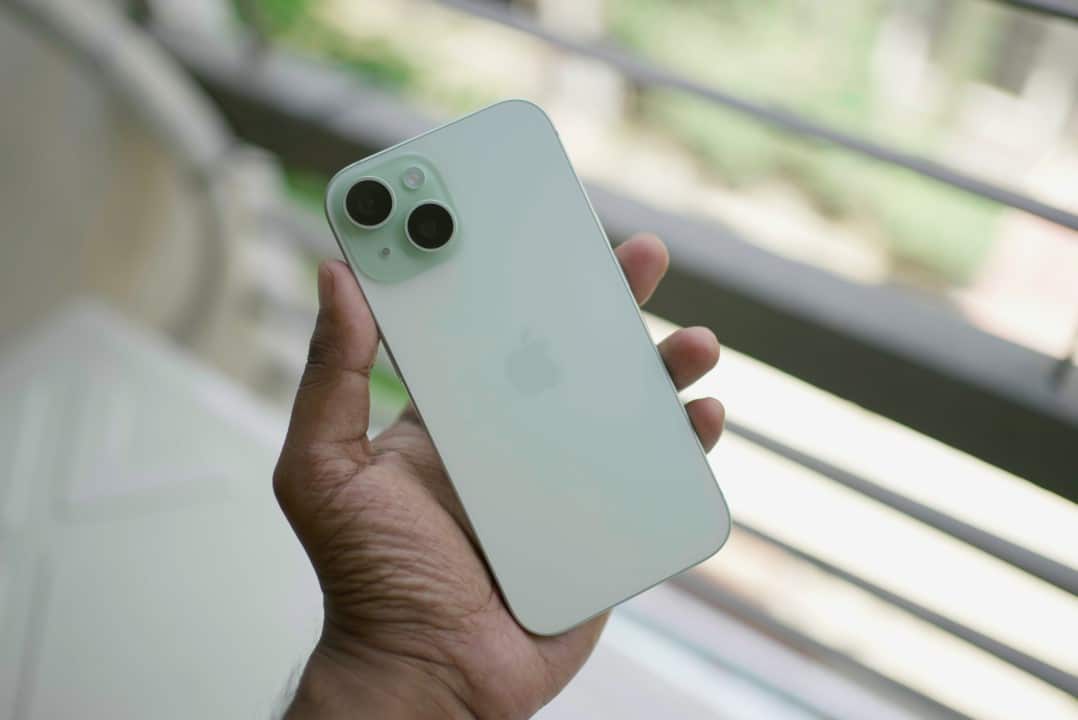
- The release of the tool occurs through a system update package that gradually reaches cell phones.
- Media transfer preserves the native resolution, avoiding the loss of quality typical of instant messengers.
- The system crosses Bluetooth signals and Wi-Fi Direct networks to track compatible electronics in the vicinity.
- The protection of personal data is ensured by a strong end-to-end encryption scheme during transfer.
This radical transformation in the industry’s behavior reflects strong pressure from regulatory bodies, especially the European Union’s Digital Markets Act (DMA), which has been forcing Apple to adopt more flexible stances on iOS, such as the recent adoption of the USB-C port. Even though the Cupertino-based company didn’t get its hands dirty to create this shortcut designed by Google, it also chose not to erect code barriers to block the entry of these documents. This panorama decrees the death of a hardware isolation that lasted for more than ten years and functioned as one of the biggest anchors to lock customers into the apple ecosystem.
How the Quick Share interface communicates with Apple devices
The dynamics of use flow quite intuitively through the Samsung menus, causing the traditional AirDrop symbol to appear as a sending path on the Quick Share screen. The moment a document is marked, the Galaxy phone scans the physical space looking for connected iPhones that have reception permission open to the general public or to the contact list. The connection between the two systems takes just a few milliseconds, delivering agility identical to what users experience when connecting two devices from the same manufacturer.
Samsung’s commercial plan with this maneuver is to seduce the public that moves between the two operational worlds during work hours or leisure at home. A significant portion of Apple computer and tablet owners prefer to use Android phones because of the photographic quality, but they have always faced the headache of moving these heavy files between screens. With the arrival of the Galaxy S26 family, this obstacle disappears completely, transforming the Ultra version into a true productivity machine capable of communicating with any platform available at retail.
Behind the scenes software engineering and the protection of transferred information
Google engineers used reverse engineering techniques and open source languages to make Android radio broadcasts read error-free by Apple devices. The mechanism creates a temporary virtual identity so that AirDrop sees the Galaxy smartphone as a secure device within that specific wireless network. Professionals specializing in cybersecurity say that this tactic poses no risk of leaking intimate information, as the digital link only lasts as long as necessary to move the chosen item.
Alphabet’s management made it clear that the main goal of the project is to establish total harmony between all cell phone software by the end of the year 2026. The corporation’s thinking argues that artificial intelligence tools and high-speed internet cannot be trapped in cages created by rival brands. As the biggest showcase for the Android system on the planet, Samsung acts as the main springboard to popularize this breaking of boundaries, paving the way for other manufacturers to quickly adopt the same path.
Arrival of the resource for older cell phones and other technology brands
Representatives of the South Korean giant assured that, although the Galaxy S26 family debuts the new product on the market, the transfer of the function to phones from previous generations will happen gradually. The Galaxy S25 line and the foldable screen devices launched last year are expected to gain this software package in the following months, always respecting the limitations of each model’s internal antennas. Surprisingly, Asian companies like Oppo have already announced that their next global phones will also leave the factory natively using AirDrop.
This market movement points to an era of standardization in wireless connections, something that brings immediate advantages to those who buy electronics. The practicality of sending a video clip recorded in 8K on the S26 Ultra directly to a client’s iPad Pro, without using any cable, represents a giant leap in the professional routine. The technology sector is moving towards a reality where the logo printed on the back of the device will no longer be a wall for teamwork within an office.
Amounts charged in Brazil and the impact of the tool on the national market
On shelves in Brazil, the new members of the Galaxy S26 family can now be purchased with tags starting at R$7,499 for the most basic edition, jumping to much higher figures for the Ultra variant. The introduction of this communication bridge between rival systems works as a strong sales gimmick for companies and digital influencers operating in the country. This breaking down of barriers solves one of the worst technical nightmares faced by recording studios and marketing agencies, which tend to mix computers and cell phones from different brands on their editing tables.
The Asian manufacturer continues to invest in the luxury segment, equipping the S26 Ultra with films that block the side view of onlookers and sensors that capture nighttime images with impressive clarity. Gaining compatibility with the AirDrop network raises the level of the phone, giving it the key to exchanging data with billions of electronic devices spread across the world. To complete the package of attractions in the 2026 calendar, the company offers a robust technical assistance network and exclusive extended warranty plans for the Brazilian consumer.
Exclusive advantages of the Galaxy S26 line in the fight against the competition
The brand’s recent launches not only shine when it comes to transferring files, but they also deliver absurd firepower to run generative artificial intelligence tools. The power to change elements of a photograph in a matter of seconds and then send the result to an iPhone redefines the concept of practicality in the high-cost market. The company’s management firmly believes that embracing interoperability will bring much more money to the bank than trying to trap the customer in a technological bubble.
The Ultra model’s display continues to dictate the rules of the global market, now boasting harder glass and a peak brightness that easily overcomes the strong summer sun in Brazil. The partnership with Google Cloud servers ensures that any document sent via Quick Share receives an automatic backup copy on the internet, if the device owner authorizes it. This double layer of data protection, added to the agility in changing media, consolidates the Galaxy S26 as one of the most complete devices ever designed by Samsung Electronics engineers.
How the public and technology companies are reacting to the news
Financial sector experts point out that this Android invasion of the AirDrop network has the potential to force Apple to bring forward its own universal communication tools. The younger portion of the population, which requires maximum speed to update social networks, represents the demographic that will most celebrate this week’s update. The simplicity of operating Quick Share finally destroys the last great social wall that divided groups of friends between cell phone owners with green and blue messages.
The absolute success of the initial tests carried out on the Pixel line proved that the public was looking forward to it, giving the green light for Samsung to inject the new feature into its most expensive products. The experts’ projection is that, in the near future, the act of sending a photo to a cell phone from another brand will be something so banal that no one will look at it anymore when choosing a new phone. The war for customers will once again focus on physical aspects like battery size, parts durability, and unique camera tricks.
The future of mobile connections and the creation of new communication standards
The triumph of this data bridge serves as a laboratory to unlock other locked functions, opening doors for native sharing of router and wireless headset passwords between different systems. Google and Samsung have already set up a working group focused on creating universal rules for short-distance connections, targeting the internet of things market. The central idea is to allow the light bulbs, locks and televisions in a smart home to obey the resident’s commands, regardless of the brand of smartphone he carries in his backpack.
The Galaxy manufacturer ended the official statement by slamming digital security, swearing that the use of AirDrop does not grant Apple any type of deep access to Android data. Decision-making power remains restricted to the cell phone owner, who has complete freedom to turn off the sharing antenna in the device’s security options. Keeping the rules of the game clear regarding data traffic is the company’s main weapon to avoid losing the trust of a public that is increasingly frightened by virtual scams.
Update deadlines and guidelines for Galaxy S26 line owners
The entire family of devices, made up of the Galaxy S26, S26+ and S26 Ultra, is already stocked in the main retail stores in Brazil, offering a wide range of colors and memory sizes. The data package that turns on the green light for exchanging files with Apple travels over the internet in “over-the-air” (OTA) format and should appear on all customers’ screens within the next 48 hours. The technical recommendation is that the consumer plugs the cell phone into the socket and ensures a strong Wi-Fi signal before authorizing the installation of the new operating system.
To avoid headaches, Samsung uploaded a series of illustrated guides and explanatory videos on its website showing step-by-step instructions for configuring Quick Share perfectly. Technical assistance employees spread across the country also underwent intensive training to resolve any communication failures with Apple products. All this care in customer service is part of the brand’s larger plan to ensure that breaking down barriers between systems does not generate frustration among its most loyal consumer base.
