Uma pane de grandes proporções tirou o Instagram do ar em diversos continentes logo nas primeiras horas desta quinta-feira, 12 de junho de 2026. Nos Estados Unidos, os primeiros registros de instabilidade começaram a ganhar força por volta das 7h47, no fuso horário local, com milhares de pessoas relatando dificuldades de conexão. Quem tenta abrir a rede social, seja pelo celular ou pelo navegador no computador, depara-se apenas com telas brancas, avisos de erro 404 e uma incapacidade total de carregar fotografias ou vídeos.

Instgram fora do ar no mundo inteiro nesta manhã de 12 de junho de 2026
Spike in records on DownDetector confirms failure on the social network’s servers
In the Brasília time zone, the volume of complaints spiked at exactly 10:47 am, flooding monitoring sites like DownDetector with inactivity alerts. The sudden block hit billions of active accounts in the Meta ecosystem, bringing digital media consumption to a complete halt. As the defect manifests itself in the same way on different operating systems and internet providers, experts point out that the root of the obstacle lies in the central infrastructure of Mark Zuckerberg’s company, and not in consumer devices.
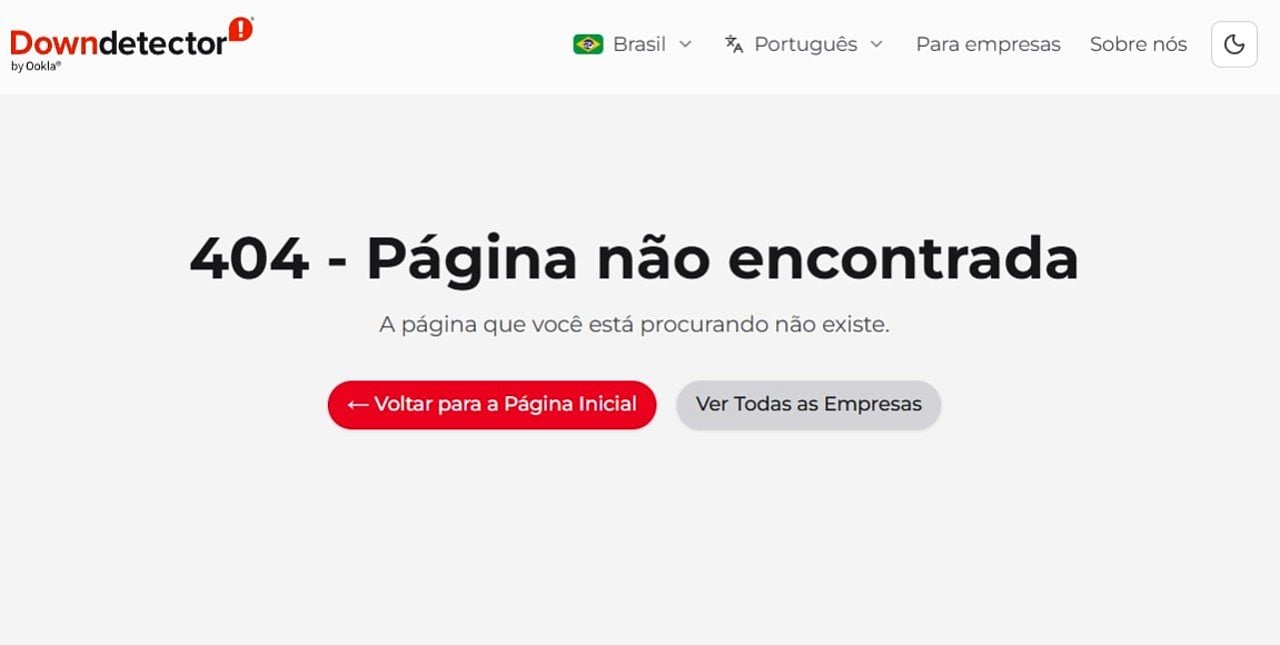
Empty screens and inability to update the feed frustrate the public
Descriptions of the blackout are repeated on technology forums and other networks that continue to operate. The app’s main interface doesn’t display any recent images, delivering only blank space or notifications that the web address doesn’t exist. No one can upload new Stories, like old posts or access other contacts’ pages. This sudden blockage disrupts the communication routine of entire groups and paralyzes the cash flow of businesses that use the virtual storefront to close deals. The scenario reinforces the thesis of a severe collapse in the parent company’s databases, knocking down access on a planetary scale.
Retrospect of blackouts reveals vulnerability in Meta’s infrastructure
The technology conglomerate responsible for the application has a considerable history of systemic failures over the last decade, with the following episodes standing out:
- October 2021:A configuration error in the backbone routers took down the company’s entire ecosystem, including WhatsApp and Facebook, for almost six hours straight. The defect in the DNS system generated losses worth billions of dollars and left the entire planet without communication through the brand’s channels.
- March 2019:A mysterious server outage kept the company’s applications inaccessible for more than half a day on several continents. The exact technical details have never been completely open to the public.
- November 2018:Severe instability prevented ephemera and main timeline images from loading. The technical team had to intervene quickly to normalize data traffic.
- September 2018:Difficulties in the account authentication process and viewing photos marked another day of global shutdown, highlighting how complex it is to keep this gear running without pause.
- June 2020:A regionalized block hit markets in Europe and North America hard, blocking the viewing of audiovisual files for part of the afternoon.
- December 2022:Reports of extreme slowness and failures in updating the home screen dominated the internet, requiring a task force of engineers to restore normality.
- May 2023:A short-lived outage caused occasional crashes in media delivery, enough to generate a wave of memes and complaints on the old Twitter.
Analyzing this history highlights how delicate the architecture of networks that support massive simultaneous traffic is. Any code error or hardware failure exposes the immense dependence that modern society has developed on these tools, proving that today’s digital economy is hostage to the stability of a handful of Silicon Valley corporations.
Commercial and social losses arising from the application shutdown
Forced silence on screens affects routine in different ways. For ordinary citizens, it represents an abrupt cutoff of their main source of entertainment and contact with social circles. Without the possibility of exchanging direct messages or following the lives of acquaintances, people end up switching to rival messengers or temporarily abandoning their smartphones. The annoyance grows exponentially when there is no official channel to explain the reason for the blackout.
The scenario takes on dramatic contours in the corporate sector, especially in Brazil, which is among the three largest consumer markets for the application in the world. Freelance professionals, advertising agencies and content creators lose their main work tool. When the virtual storefront closes its doors without prior notice, the immediate consequences include:
- Drop in revenue:Merchants who rely on live broadcasts and links in Stories to close orders see their cash flow dry up instantly, a disaster for those who scheduled large sales for the date.
- Scratches to the corporate image:The lack of response in customer service generates distrust, as many customers do not realize that the platform is at fault and blame the store for the lack of communication.
- Waste of advertising money:Paid ads continue to consume budget while audiences are unable to view the landing page, forcing marketing teams to hastily pause campaigns.
- Breaking connection with the audience:Going hours without posting breaks the rhythm of the algorithms, making it difficult to retain followers who end up consuming material on competing apps.
All this commercial vulnerability serves as a warning to entrepreneurs who concentrate all their sales efforts on a single rented domain. Experts strongly recommend building email lists, independent websites, and a presence on multiple channels to avoid bankruptcy when third-party servers collapse.
Technical efforts to restore public access and guidance
Until the closing of this edition, the company’s management remained silent about the exact origin of the failure, leaving experts and journalists in the dark. The company’s pattern of behavior in previous crises suggests that technicians are already combing through source codes to apply emergency fixes. Generally, official statements of apology and technical explanations are published on X, formerly Twitter, which ends up serving as an improvised spokesperson during these outages.
The most sensible guideline for those who need the tool is to monitor news portals and parallel forums to find out when the signal will be reestablished. There is no point in restarting the modem or reinstalling the application, as repairing such a gigantic server network takes time and rigorous testing. The return of functions usually happens in waves, gradually releasing access to different countries. All that remains is to wait for the engineering team to complete the repairs so that the digital routine returns to normal.
