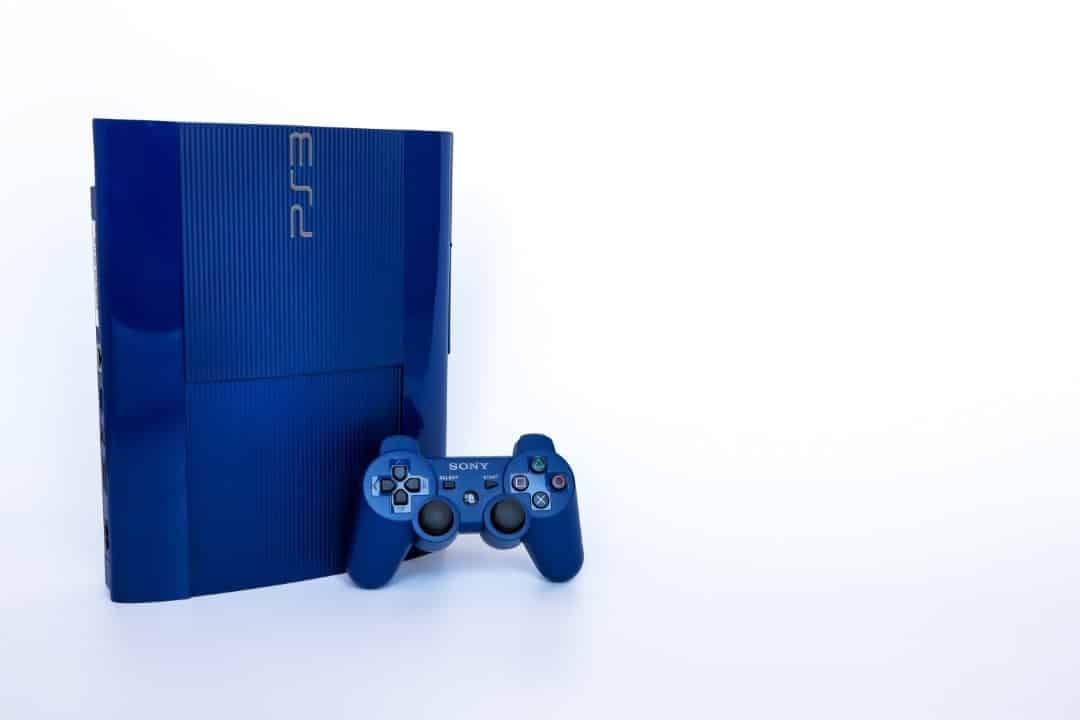
Software specialists and large game producers are adopting static recompilation to convert PlayStation 3 works into applications that run directly on computers. This unprecedented approach eliminates the need for heavy emulators, ensuring that titles communicate without intermediaries with current components. In practice, the source data is translated into a language that extracts maximum performance from modern processors and graphics cards.
Launched in 2006, Sony’s video game featured the Cell Broadband Engine processor created in partnership with IBM and Toshiba, whose exotic engineering has always been a nightmare for adaptations. However, recent advances in code deconstruction have managed to overcome this obstacle, making it possible to rescue an immense catalog. In the year 2026, the practice gains strength both in the corporate market and in the independent scenario. The central objective is to deliver fluid gameplay while protecting the historical memory of interactive media.
How developers tamed Sony’s exotic processor
The PlayStation 3’s brain operated with a master core coordinating eight auxiliary units, a structure designed for extreme parallel processing. At that time, creating games required exhaustive manual programming to take advantage of this design, generating works like the notorious Metal Gear Solid 4 that were completely hostage to Sony hardware. Common emulators struggle to imitate this asymmetric architecture, consuming a lot of firepower from even high-end PCs. Static recompilation solves the problem by reading old instructions and rewriting them for the multiple cores of today’s chips. Experts extract logic from disks and transform it into universal languages, such as C++. Complex elements, such as physics and soundtrack, gain a simultaneous and tailored translation for current technology. Automated tools create executable files that communicate directly with the machine’s memory and video card. To avoid timing failures or crashes, batteries of rigorous tests accompany the conversion. This level of demand ensures that the final work delivers exactly the same feeling imagined by directors in the past.
Graphical improvements and lower hardware requirements
Running games natively drastically reduces the need for a super-powerful machine to revive the seventh generation of consoles. A current mid-range computer, with 16 gigabytes of RAM, is already capable of delivering much more stable performance than the original 2006 hardware. Users can now play in authentic 4K resolution and reach rates of 120 frames per second, without relying on unofficial modifications. Visual improvement occurs organically right at the stage of creating new files. Sharper textures are built into the source code, and the cameras’ viewing angle is adjusted to fit today’s ultrawide monitors.
Once the software structural transition is complete, studios have the freedom to add new visual features to games. Lighting effects are redesigned to support industry innovations, including ray tracing on graphics cards that support this technology. Additionally, sound engineering undergoes a complete overhaul, ensuring that spatial audio works seamlessly in modern headsets.
Financial advantages and legal security for companies
The gaming industry quickly noted that this technique is key to profiting from older franchises that seemed stuck on obsolete consoles. Industry giants, such as Konami, already use the format to launch compilations, ensuring that titles with complex mechanics work perfectly on PCs. The success of these ventures generates significant profits, especially as the production cost drops by half when compared to creating a remaster from scratch. Smaller producers also take advantage of the new development, managing to revitalize dozens of games per year with minimal investment. All this movement targets the gigantic audience of computers, which today exceeds the mark of one billion active players.
Another crucial point is the legal protection provided by this method, as the generated code does not carry the intellectual properties of the video game manufacturer. This allows producers to sell their collections without the risk of legal proceedings, a common phenomenon in the world of parallel emulation. The strategy also acts as a brake on piracy, as the compilation requires the player to have an original copy, whether on disc or digital format, to validate the process.
The strength of independent programmers in preservation
Away from the offices of large companies, groups of enthusiasts dedicate their free time to creating open source software that speeds up this migration. Collaborative initiatives on the internet focus on deciphering the structure of the old console to establish a definitive bridge with modern operating systems. The famous RPCS3 emulator, which already runs most of the old games, serves as a valuable testing laboratory for fine-tuning these new converters. Recent improvements in these community projects have increased the reliability of the tools, helping those who work on their own. The main objective of these volunteers is to save obscure creations that could disappear from the virtual shelves forever.
Obstacles in conversion and historical recovery of games
Transforming software protected by industrial secrets continues to be an arduous task, especially when developers do not have the original creation files. Processing errors and bottlenecks when reading memory require tiring manual adjustments even after passing through automatic compilers. Furthermore, titles that used strict security locks against illegal copying at the time of release present a formidable barrier against reverse engineering.
To overcome these defenses, engineers must delve into complex data analysis and spend hours fixing flaws line by line. Even with these setbacks, current technology is already capable of automating the bulk of portability work. With this, the mission to save the more than three thousand games released for the PlayStation 3 gains a real chance of long-term success. This direct conversion is the only way to avoid a cultural blackout, as the original Blu-ray discs are inevitably rotting over time.
- Maintaining access to historical titles without the obligation to hunt for used devices.
- Simplified connection of new applications to gaming platforms via cloud streaming.
- Possibility of taking these adventures to powerful cell phones and state-of-the-art smart TVs.
- Sharp drop in PC electricity consumption compared to the use of heavy emulators.
- No more long waiting screens, thanks to the speed of modern SSDs.
The advancement of static recompilation proves that technology has found a mature solution to a long-standing problem in the entertainment industry. The positive results obtained with the Sony catalog are already motivating research to apply the same magic to other retired video games. The scenario that emerges guarantees that the interactive evolution of recent decades will not be forgotten, remaining available to future generations of players.
