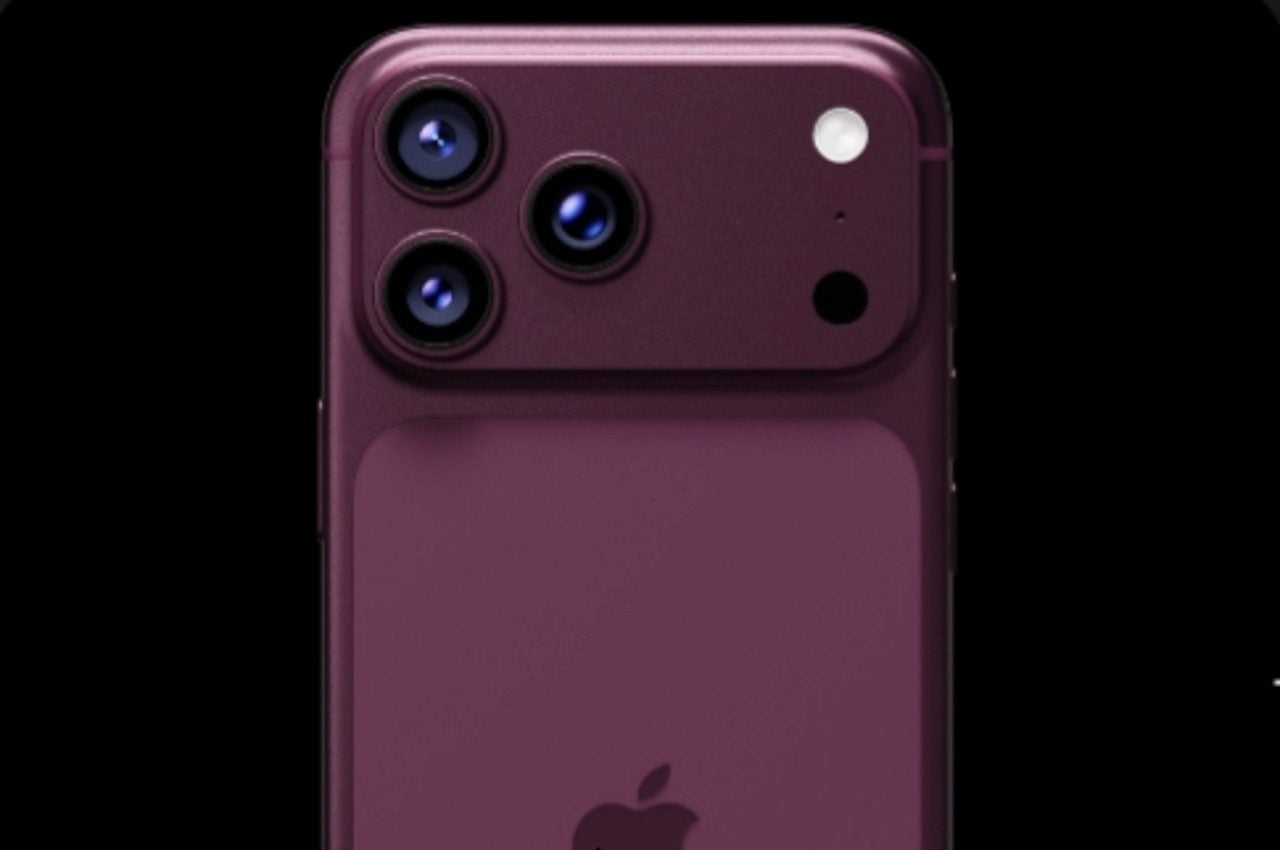
The technology giant Apple has officially announced the arrival of the iPhone 18 Pro Max, a device that introduces a lens system with adjustable aperture and a high-capacity telephoto sensor. The high-end device will be equipped with a 6.9-inch LTPO Super Retina XDR OLED panel, powered by the unprecedented 2-nanometer A20 Pro processor and supported by a 5,200 mAh battery. In addition to the traditional model, the company confirmed the expansion of its portfolio with the long-awaited iPhone Fold, marking its debut in the flexible screen segment. The manufacturer’s schedule points to the global launch for September 2026, with the most advanced model starting at US$1,199.
Photographic advances bring smartphones closer to professional equipment
The optical set of the new device represents a significant change in mobile image capture, positioning the cell phone as a direct competitor to dedicated cameras. The manufacturer incorporated a 1/1.12 inch main sensor, the largest ever used in the history of the line, designed specifically to maximize light absorption in dark environments. The main technical innovation lies in variable aperture technology, a mechanical feature that allows the user to physically control the depth of field, something that until then was exclusive to DSLR and mirrorless equipment in the audiovisual market.
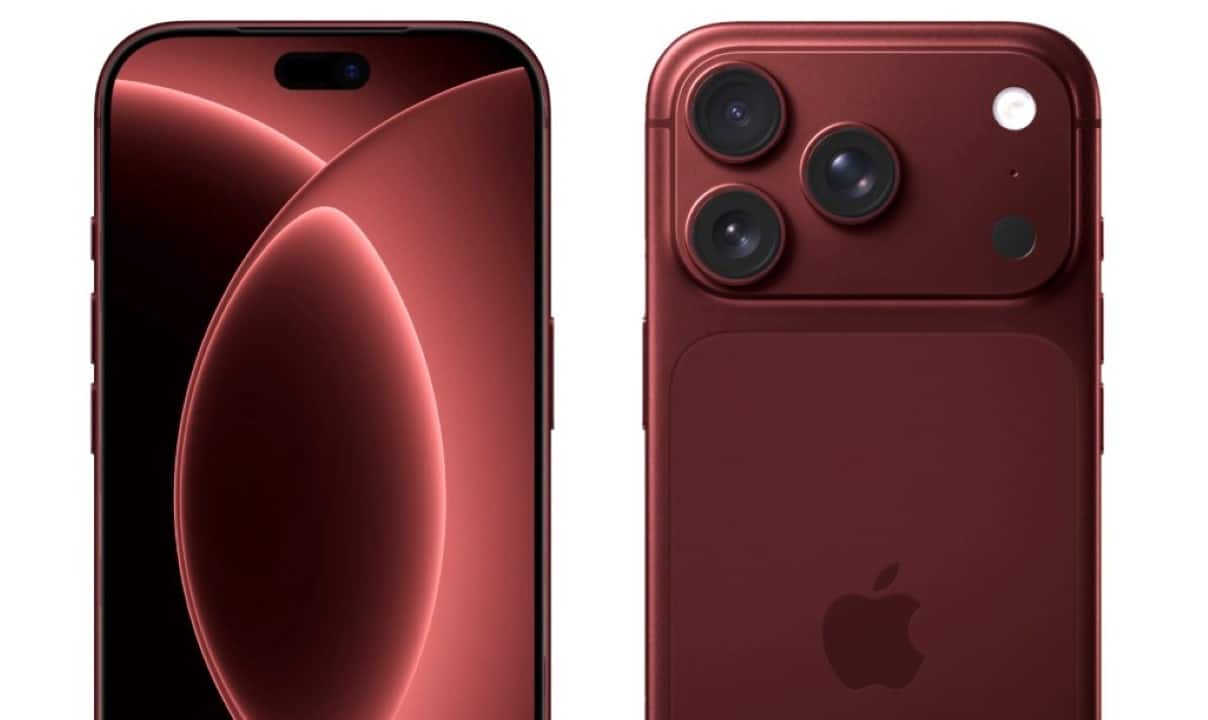
The periscopic approach module delivers an unprecedented visual range for the brand, ensuring precise cuts without loss of quality. The rear structure of the Pro versions combines a 48 MP main lens, a 48 MP ultrawide lens and a 64 MP telephoto sensor, working together with advanced algorithms. Image processing via artificial intelligence has been improved to correct colors, automatically adjust exposure and remove noise faster than in previous generations. In terms of recording, the more expensive models support capturing videos in 8K resolution at 60 frames per second.
Changes to the display and reduction of the front edges
Content display gains a leap in quality with the adoption of M16 panels manufactured by Samsung, components that currently lead the industry in terms of maximum brightness and color fidelity. The Pro Max model reaches the 6.9-inch mark, boasting the thinnest bezels ever developed by the company’s engineering team, while the conventional Pro version maintains the 6.3-inch size. The upper cutout, known as Dynamic Island, has undergone a considerable reduction in its dimensions, freeing up a larger usable area for the operating system interface and media viewing.
Despite the increase in the touch surface, the total weight of the equipment decreased thanks to the use of new metal alloys in the construction of the chassis, facilitating prolonged handling without causing hand fatigue. ProMotion technology continues to be present, dynamically adjusting the screen’s refresh rate up to a limit of 120 Hz. This intelligent management reduces energy consumption when the display displays static images, balancing the fluidity of animations with preserving daily load.
Performance driven by new two-nanometer architecture
The electronic brain of the new generation is the A20 Pro chip, manufactured using the 2-nanometer lithography process, which guarantees a significant leap in processing speed. Laboratory tests indicate that the graphics capacity of this component surpasses the old A19 Pro by around 45%, allowing you to run heavy software with ease. To support this performance, the Max variant leaves the factory with 12 GB of RAM and internal storage options that reach 2 TB.
- Exclusive C2 modem integration to optimize network signal stability.
- Native support for Wi-Fi 7, Bluetooth 6 and 5G network connection standards.
- Expanded satellite communication to areas with zero terrestrial coverage.
- Energy capacity of 5,200 mAh in the Max model and 4,300 mAh in the Pro version.
- Autonomy of up to 26 hours in standard use and an extreme economy mode that reaches 72 hours.
The company’s internal documents indicate that the union between the new battery modules and the thermal efficiency of the updated silicon solves one of consumers’ biggest problems. The promise is that the phone will support a full day of intense use, playing games and recording videos, without the need to look for a power outlet before dark.
Bet on the flexible screen segment to face the competition
The announcement of the iPhone Fold represents the brand’s definitive response to the growing niche of devices that transform into tablets, a sector historically dominated by Asian manufacturers. The design features a 5.5-inch external display for quick tasks and an internal 7.8-inch OLED panel that reveals itself when opening the chassis. The development team created a unique hinge mechanism that practically eliminates the central crease on the screen, solving a much criticized aesthetic flaw in direct rivals like the Samsung Galaxy Z Fold 6.
The technical sheet of the foldable model does not skimp on power, featuring the same A20 Pro processor, 12 GB of RAM and up to 2 TB of file space, in addition to a 200 MP main photographic sensor. A notable change in design is the relocation of biometrics: the Touch ID reader has been embedded in the side power button, optimizing the front space of the device. Focused on a high-income audience and technology enthusiasts, the device will hit shelves with a suggested price of US$2,000.
Operating system focused on artificial intelligence tools
The interface that will bring the new phones to life is iOS 27, a rewritten platform to run generative artificial intelligence functions natively. The virtual assistant Siri has received a profound update, becoming capable of understanding complex contexts and maintaining natural conversations without robotic interruptions. The gallery app now includes advanced editing tools like magically removing unwanted objects and filling scenes, while the virtual keyboard learns the owner’s writing style to suggest complete sentences.
The big difference with the manufacturer’s software approach is that the overwhelming majority of these mathematical operations occur within the device itself, without depending on cloud servers. This local processing strategy not only reduces the company’s infrastructure costs, but also shields the consumer’s personal data, ensuring that sensitive information never leaves the device.
Available colors and price list for the international market
The official distribution calendar follows the company’s tradition, with products scheduled to arrive in stores in September 2026. This generation’s color palette will include shades of dark cherry, light blue, dark gray and silver. The gateway to the new family will be the standard iPhone 18, costing $899, followed by the iPhone 18 Pro for $1,099. The top-of-the-line Pro Max will require an outlay of US$1,199, while the innovative iPhone Fold will cost US$2,000, consolidating the brand’s strategy of dominating all price ranges in the premium segment in the coming years.
