Amazon founder Jeff Bezos defends total income tax exemption for the poorest half of the US
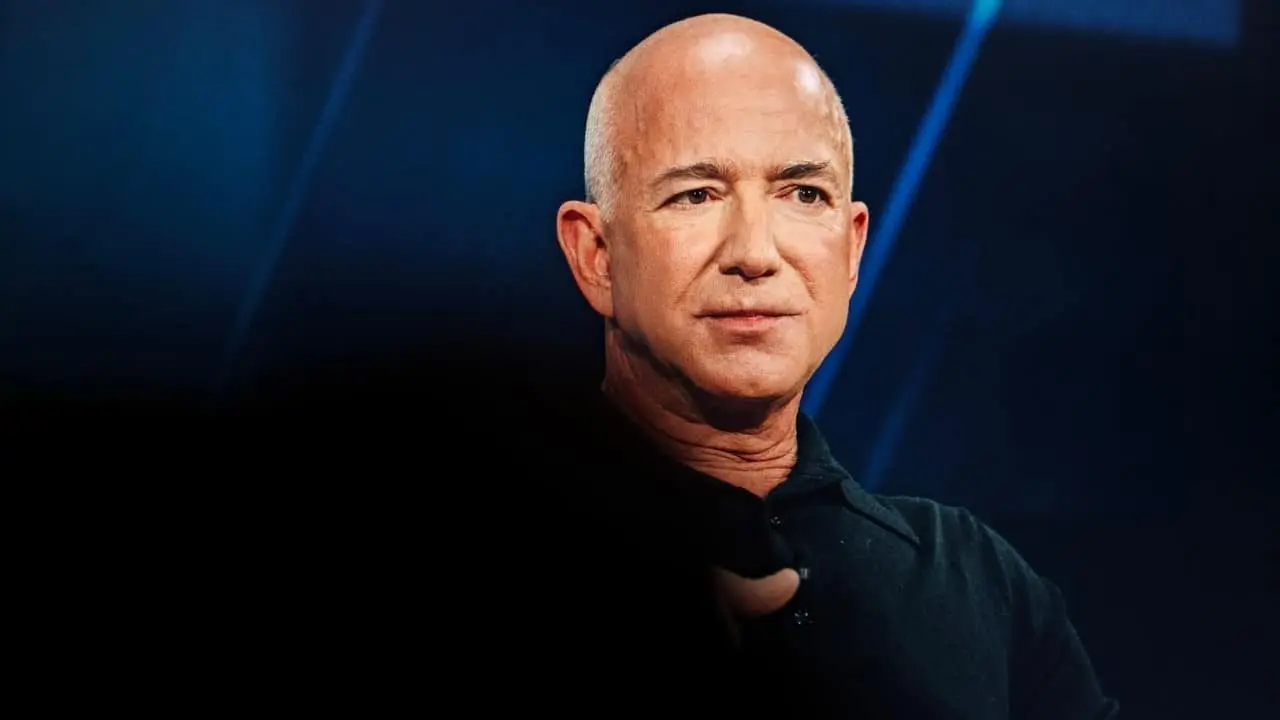
Billionaire Jeff Bezos, founder of Amazon, presented a new proposal to alleviate the tax burden on the most vulnerable part of the American population. The idea is to completely eliminate federal income tax for the 50% with the lowest income in the country. Bezos’ suggestion seeks to offer direct financial support to families facing economic difficulties.
One of the most prominent names on the global scene, the businessman recently emerged as an unexpected supporter of tax cuts for citizens with lower purchasing power. The initiative by Bezos, also founder of the space company Blue Origin, signals concern about the financial stability of millions of Americans.
During an interview broadcast on CNBC, the tycoon explained his vision for fiscal policy. He declared his desire to ensure that people in a delicate situation have an opportunity to recover, emphasizing that the objective is not just to reduce, but to eliminate the tax for this group.
Central points of Jeff Bezos’ proposal for taxation
Jeff Bezos’ recent suggestion calls for the abolition of federal income tax for the poorest half of the population in the United States, aiming to help families facing financial challenges.
A similar legislative initiative, proposed by parliamentarians in Congress, seeks to exempt lower-income taxpayers and grant tax reductions to middle-class families.
These tax changes would, however, primarily benefit middle-income families, as a large number of low-income taxpayers no longer pay federal income tax due to the application of various credits and deductions.
The impact of Bezos’ proposal and the American tax reality
The Tax Foundation, in its report for the 2023 tax year, indicated that the 50% of taxpayers with the lowest adjusted gross income earn less than US$53,801, presenting an average income tax rate of 3.7%. About 76.5 million tax units fell into this bracket, paying, on average, approximately $913 in income taxes.
Several parliamentarians have defended the reduction of the tax burden for low- and middle-income citizens, while at the same time proposing an increase in taxes for the richest. Data from the Tax Foundation reveals that the top 1% have an average tax rate of about 26%, but according to the Yale Budget Lab, the effective rate for some of the highest taxpayers can drop to 3% due to deductions and tax credits.
Analysis of the practical effect of the proposal on different income ranges
Recent studies indicate that tax relief for the poorest half of taxpayers would have a more significant impact on middle-income families, and not so much on lower-income families.
In Congress, a proposal authored by representatives Don Beyer (D-VA) and Chris Van Hollen (D-MD) seeks to achieve a similar objective to what Jeff Bezos defends.
Beyer and Van Hollen suggest eliminating federal income tax for Americans earning less than $46,000 for single taxpayers, $92,000 for married couples filing jointly, and $64,400 for heads of household.
In addition, the parliamentary proposal offers a tax discount for middle-income taxpayers, covering singles with incomes between US$46,000 and US$80,500, and couples with incomes between US$92,000 and US$161,000.
According to an analysis conducted by the Yale University Budget Laboratory, this type of proposal would have greater influence on middle-income families, given that a large proportion of low-income families no longer have federal tax obligations.
The Tax Policy Center reported that in 2025, approximately 40% of American families paid no income tax because their tax credits and deductions were enough to offset their income.
An assessment by the Institute of Taxation and Economic Policy on Beyer and Van Hollen’s proposal indicates that the third quintile of taxpayers, who earn between US$53,300 and US$92,100, would benefit most, with an average tax reduction of US$1,340 per family.
Challenges and alternatives to balancing public accounts with tax cuts
Despite broad popular support for tax cuts, their implementation is complex, as it requires reducing government funding for essential programs and services. Therefore, to make exemptions viable, legislators often look for alternative sources of revenue.
In several regions of the country, support is growing for proposals to increase taxes on billionaires like Bezos, aiming to guarantee alternative state financing, a measure that could be replicated at the federal level.
The bill called the “Working Americans’ Tax Cut Act” would cost the government an estimated $1.6 trillion over a decade. However, lawmakers’ proposal calls for a tax increase for individuals earning more than $1 million, which would offset the costs, according to the Yale Budget Lab.
Asked about his willingness to pay more taxes to support his own proposal for tax relief for low-income Americans, Bezos did not provide a direct answer.
“The expression you hear over and over again is ‘the rich should pay their fair share’. We can debate what that fair share is; that’s a political discussion, and that’s fine,” he said. “If we’re truly honest, we don’t have a revenue problem in this country… In fact, we have a spending problem.”