OPPO Reno16 F vs Xiaomi 17T: Giant battery or 5x Leica camera, who wins?
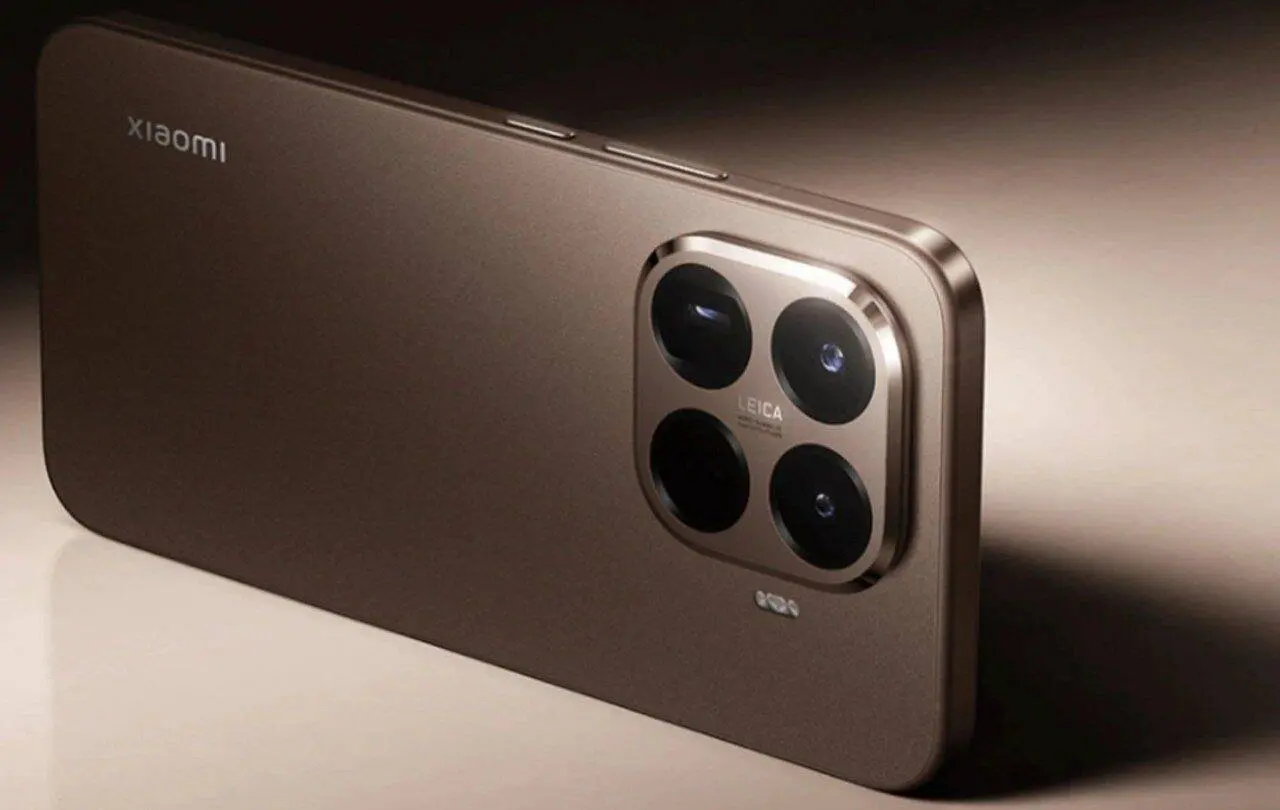
The OPPO Reno16 F arrived on the market with a 7,000 mAh battery and a rare feature in 2026: microSD card slot. In contrast, the Xiaomi 17T, launched in May, captivates with its 5x periscope camera optimized by Leica and a processor with almost twice the performance. See below the detailed comparison of these two mid-range smartphones and find out which one offers the best value for money.
Performance: the difference in power is more noticeable than you might think
The main distinction between the two devices lies in their internal hardware. The Xiaomi 17T is equipped with MediaTek’s Dimensity 8500 Ultra chip, manufactured in 4nm, and complemented by 12GB of LPDDR5X RAM and UFS 4.1 storage. The OPPO Reno16 F uses Dimensity 7300 Energy, accompanied by LPDDR4X RAM and UFS 3.1 storage, technologies considered older.
In practice, the 17T demonstrates greater agility when loading applications, allows you to play with higher graphics settings and exports videos in approximately half the time. Practical tests carried out by experts indicated that the 17T completed exporting a 4K video in 35 seconds, while a standard model from the Reno 16 line, with a faster chip than the Reno16 F, took more than a minute. This discrepancy is crucial for content creators and gamers, but users who prioritize browsing and messaging are unlikely to notice the difference.
Screen: more than bigger, a clearer visual experience
Both smartphones employ OLED panels measuring around 6.5 inches, but the visual quality differs considerably. The Xiaomi 17T screen displays 1.5K resolution (2756 × 1268), 12-bit color depth, support for HDR10+ and Dolby Vision, reaching a maximum brightness of 3,500 nits, with Gorilla Glass 7i protection.
The Reno16 F’s 6.57-inch panel offers FHD+ resolution, suitable for daily use. However, the 17T provides visibly sharper text, richer color transitions and better visibility outdoors. For video consumption and image fidelity, the Xiaomi 17T clearly stands out.
Camera: the sophisticated Leica lens duels with the power of selfies
Both devices feature triple rear camera configurations, with a 50 MP main sensor and a 50 MP telephoto lens, but the engineering approach between them is quite different.
The Xiaomi 17T’s telephoto lens is a 5x periscope system, developed in collaboration with Leica and equipped with optical image stabilization (OIS). This guarantees genuine optical zoom, without relying on digital cropping, reaching up to 10x with little loss of quality and support for telemacro. Independent reviews frequently praise the Leica color science that goes into this device.
The Reno16 F offers a 3.5x telephoto, also with OIS and 50 MP, but without the periscope design. While it provides a reasonable zoom, its capacity and depth separation don’t compare to the 17T’s 5x lens. The strong point of the Reno16 F is its 50 MP front camera, with autofocus and an ultrawide field of view of 100 degrees, easily surpassing the 17T’s 32 MP sensor. For those who prioritize selfies and group photos, the Reno16 F has the advantage.
Battery and charging: the strongest point of the Reno16 F
In this category, OPPO stands out. The Reno16 F’s 7,000 mAh battery, combined with 80W SUPERVOOC charging, reaches a full charge in approximately 62 minutes. This union of high capacity and speed is hard to beat, regardless of price range.
The Xiaomi 17T, in turn, features a 6,500 mAh cell and 67W charging, enough for a full day of moderate use. However, the Reno16 F’s additional 500 mAh and faster recharge give it a considerable advantage for intensive users, reflecting OPPO’s strategy of making battery life one of the pillars of this generation.
Long-term software and updates
Both devices launch with Android 16. The Xiaomi 17T operates on HyperOS 3, while the Reno16 F uses ColorOS 16, OPPO’s unified platform after incorporating OxygenOS and Realme UI.
The main difference lies in support: Xiaomi guarantees five years of operating system updates and six years of security patches for the 17T. OPPO, on the other hand, has not yet publicly confirmed an update schedule for the Reno16 F. For those who plan to keep the phone for more than two years, Xiaomi’s commitment is an important factor for both security and resale value.
Price: two strategies for the same budget
In Thailand, the Reno16 F costs approximately US$480 for the 8GB/128GB version, and in Europe, €549. The Xiaomi 17T, in turn, starts at €749 in Europe and ₹59,999 (about US$514) in India.
The Reno16 F bets on maximum battery life, expandable storage and a competent camera at a more affordable entry price. The 17T focuses on offering a superior screen, faster performance and one of the best Leica cameras under €800. Additionally, the Reno16 F maintains the microSD card slot, a rarity in 2026, which offers invaluable storage flexibility for those who capture a lot of photos and videos.
