United States tax rate of 25% on Brazil comes into force and challenges Planalto’s response
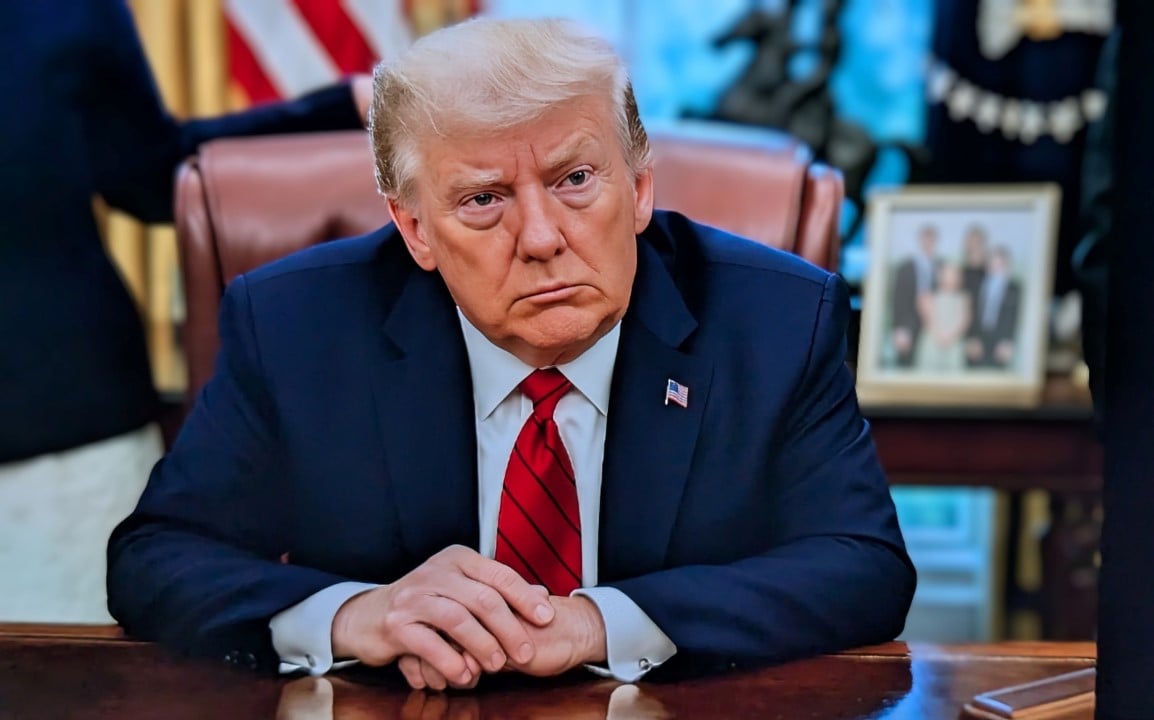
The new 25% tariff imposed by the United States on Brazil came into effect on Wednesday, July 22, at 1:01 am Brasília time. The measure affects the import of several Brazilian products into the North American market.
This imposition became official at the turn of Thursday, July 16th, to Friday, July 17th, through a document released by the Office of the United States Trade Representative (USTR).
The application of this new 25% tariff on specific products from Brazil is the result of an investigation conducted by the USTR. This process had been developing since Donald Trump announced a previous rate of 50% against Brazil in July 2025, highlighting a history of trade tensions between the two countries.
At the beginning of June this year, the United States Trade Representative had suggested the application of this 25% rate to Brazilian imports, based on Section 301 of the North American Trade Law. This legislation gives the US the right to investigate and impose retaliatory measures on nations with trade practices seen as unfair.
Even after a series of public hearings in which civil society spoke out against tariffs, the USTR concluded that Brazilian policies in areas such as digital commerce, preferential tariffs, combating corruption, patent processing and piracy, ethanol and illegal deforestation create legal instability and disadvantageous competition for American companies.
During the discussions, American officials criticized Brazil’s engagement in negotiations related to the tariff. In turn, Brazilian negotiators classified the US demands as “very bad and disadvantageous” for the country’s industrial and agricultural sectors. There were also reports of a stall in negotiations due to a lack of clarity from the United States about its demands.
In response to the imposition of the new tariff, the government of President Luiz Inácio Lula da Silva (PT) declared that July 15th would represent “a regrettable milestone” in the history of relations between Brazil and the United States.
At that time, Planalto had also informed its intention to use instruments provided for in the Reciprocity Law to contest the new charges applied by Washington.
What the Brazilian government plans regarding the reciprocity policy
With the tariff effective, the Brazilian Executive is planning its next actions. These include continuing negotiations with the United States, strengthening partnerships with the private sector to explore new markets and adopting a technical approach in the response.
This stance was recently corroborated by the Vice President of the Republic, Geraldo Alckmin (PSB), and the Minister of Development, Industry, Commerce and Services, Marcio Elias Rosa.
After meetings with the press, the government signaled that it will maintain negotiations, while at the same time developing strategies to reduce the effects of the tariff, such as the search for new markets for the impacted products.
Marcio Elias Rosa stated that the orientation is to “continue negotiating” and “dialogue internally with the production sector to assimilate this decision of the North American government, which is still unfair, undue and unreasonable”.
He added that, even considering the measure unfair, the Brazilian government will take “all measures to, first, help those who need the Brazilian government, at the same time, try to reverse the decision.”
Previously, the Minister of Finance, Dario Durigan, had considered the resumption of the Reciprocity Law process as a possibility, if the new tariff was implemented.
The head of the economic team had also highlighted that “the country will protect itself, it will make itself respected”.
However, his speech was quickly adjusted. On Friday, July 17, after the tariff was confirmed, Durigan declared that “it is not possible to talk about retaliation. Retaliation is a word that is outside our scope and outside our work.”
President Luiz Inácio Lula da Silva requested impact studies be carried out and demonstrated caution regarding the application of the Reciprocity Law against the United States.
This approach aims not only to prevent new tariff increases, but also to prevent rising prices for Brazilian consumers.
The Finance Minister emphasized the need to “proceed with caution”.
The market and several experts followed the recent developments with concern, awaiting the response from the Brazilian government.
Furthermore, a faction within the Lula government itself considers the risk of Donald Trump intensifying the rhetoric against Brazil, if the Reciprocity Law is activated, according to sources close to the president.
Amid this atmosphere of tension, the government held meetings with the private sector, which spoke out against retaliation and requested government support for affected exporters.
Geraldo Alckmin concluded that “the idea is not retaliation. An eye for an eye, what could happen is that both of them become blind.”
However, he highlighted that Brazil has the means to react, stating that “reciprocity is: ‘Look, we are being wronged and we want to correct this.’
