Samsung plans thinner cameras on the Galaxy S27 Ultra, but there is a risk of worsening the image
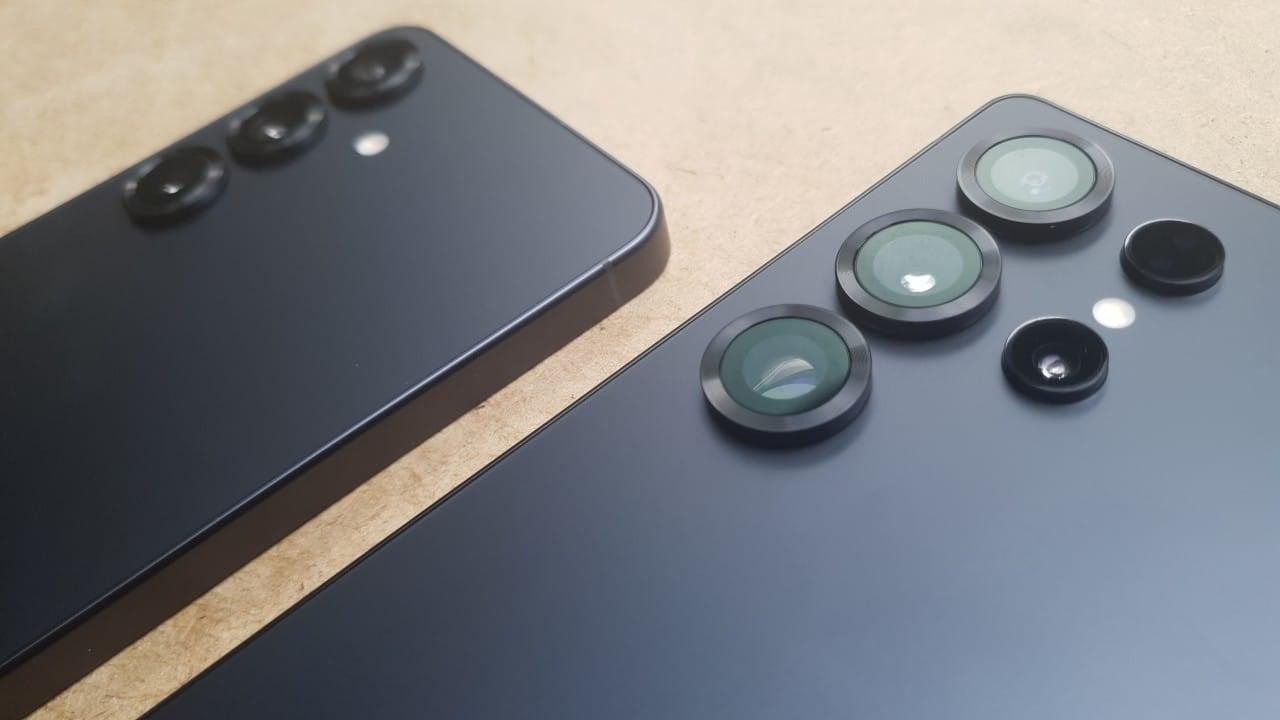
South Korean manufacturer Samsung is already moving its engineering laboratories towards the launch of the Galaxy S27 Ultra, scheduled to hit the global market in 2027. The main focus of the development team at this time is to create a significantly thinner photographic module, changing the rear aesthetics of the device without, theoretically, compromising the capture of photos and videos. However, recent behind-the-scenes information points to a worrying scenario: the search for a more elegant chassis could result in an optical assembly with lower capacity than the previous generation model, generating a direct conflict between visual evolution and technical delivery to the end consumer.
New printing technique promises to refine the photographic set of cell phones
The secret behind this hardware slimming attempt lies in an advanced inkjet printing method. The Asian company decided to replace the traditional film sheets, which historically separate the glass pieces inside the module, with a high-precision opaque paint coating. This change in the assembly line represents a fundamental engineering maneuver to reduce precious millimeters from the thickness of the lens block, solving one of the biggest bottlenecks faced by brands in the construction of high-end cell phones.
The gain from this structural change goes beyond the simple visual aspect of the rear panel. By shrinking the space occupied by photographic hardware, designers gain valuable internal area that can be repurposed for other crucial improvements in the operation of the equipment. In practice, this free space allows the inclusion of auxiliary artificial intelligence processors, more robust cooling systems or, mainly, the accommodation of a battery with higher amperage, ensuring that the user spends more hours away from the socket during intense use.
To date, industry standard architecture requires the insertion of multiple layers of plastic film between glass elements. The sole role of these physical barriers is to prevent light from bouncing uncontrollably inside the cylinder, an optical defect that destroys the fidelity of the capture. When these films fail, the photographer ends up recording visual anomalies known technically as “flare” — characterized by bursts of light and colored spots on the screen — and the dreaded “ghosting”, which creates ghostly and duplicated reflections from intense light sources.
Advantages of opaque coating in light gathering and clarity
When taking a photograph, light rays pass through the glass, but a fraction of this light inevitably reaches the supporting edges of the mechanism, running the risk of rebounding directly against the image sensor. This internal ricochet of photons is the great villain of mobile digital photography, as it contaminates the original scene with diffuse light. The practical result of this light leak is a washed-out photograph, with a severe loss of contrast in shadow areas and a noticeable drop in the sharpness of the finest details.
It is exactly at this point that the new chemical compound developed by Samsung demonstrates its technical superiority over traditional plastics. The matte paint applied to the inner walls of the cylinder has an extremely high light absorption rate, functioning as a black hole for scattered rays. By almost completely neutralizing unwanted reflections, the material ensures that only light perfectly aligned with the scene reaches the photodiodes, delivering a final file that is much cleaner and more faithful to reality.
This efficiency in light management generates a positive ripple effect on the phone’s architecture. As the concern about light bounce decreases drastically thanks to the high absorption of the paint, engineers no longer need to maintain such a large safety distance between each piece of glass. Consequently, the lenses can be stacked much tighter and closer, creating a flattened camera block that makes it easier for the industrial design team to create a more ergonomic and balanced device in the hands.
Which components of the future smartphone will receive the hardware update
The first practical tests with this dark coating have already shown its value during the life cycle of the Galaxy S26 Ultra, where partial implementation has earned praise in the laboratories. In addition to delivering superior color fidelity in processed images, the change in material accelerated the pace of conveyor belts in factories. Inkjet application has proven to be a much more agile manufacturing method and less susceptible to assembly errors than the delicate process of gluing microscopic films.
Driven by this double gain in quality and production speed, the South Korean giant’s management hit the hammer to expand the presence of the compound in the next generation of its most expensive model. Industrial projections indicate that the upcoming Galaxy S27 Ultra will adopt the jet printing method more aggressively, covering key parts of the rear optical assembly to maximize chassis thickness reduction.
- The L3 element of the telephoto sensor, responsible for long-distance optical zoom.
- The L3 part of the main camera (Wide), which captures most daily scenes.
- The L6 glass, also belonging to the main open field module.
Despite the progress, the transition will not be absolute right away, and the other glasses that make up the cell phone’s photographic complex will maintain the old architecture. The decision to preserve plastic adhesives on certain lenses demonstrates a cautious stance by the manufacturer, which prefers to carry out a technological migration in stages so as not to compromise the stability of the assembly line or risk unforeseen failures in a product that costs thousands of reais.
Possibility of regression in photo quality raises alarm in the market
Even with all the engineering effort to refine the look, a recent leak shook the technology forums and threw cold water on fans’ expectations. An industry insider, famous for accurately anticipating the company’s steps, revealed that the Galaxy S27 Ultra runs the serious risk of hitting the shelves recording worse images than its direct predecessor. This rumor creates a curious situation, to say the least, where the evolution of design may be taking too high a toll.
The big question that dominates debates in the telecommunications sector is how the adoption of a superior coating can result in lower quality photos. The answer to this paradox lies in the laws of optical physics: by forcing extreme thinning of the module to please aesthetics, the manufacturer may be forced to use physically smaller image sensors or reduce the actual focal length. Smaller sensors capture less natural light, which invariably degrades the cell phone’s performance in nighttime environments or low-light scenarios, nullifying the benefits of the new ink and delivering photos with more digital noise.
The extremely high-cost mobile telephony segment does not forgive failures, and photographic capacity is, unquestionably, the number one trigger for those who shell out premium amounts for a device. If this technical setback is confirmed, even under the justification of delivering a thinner and more elegant phone in your pocket, the public’s reception tends to be hostile. A misstep in this area has the potential to tarnish the prestige of the Ultra family, historically recognized as the pinnacle of camera innovation in the Android ecosystem.
To date, there are no leaked documents that detail exactly which component would suffer this performance cut. Experts speculate that the decision may be linked to financial juggling to contain production costs, or simply to an unrelenting physical limitation of the new ultra-thin chassis. The market now depends on future statements or unofficial dismantling to understand what were the real concessions made by the brand’s development team.
The incessant search for thinner and lighter formats continues to dictate the rules on the drawing board of large technology corporations. The real acid test for Samsung will be to prove that it can balance this aesthetic obsession with maintaining the firepower of its lenses, without sacrificing the experience of those who live by recording moments. Enthusiasts can only wait for the calendar to turn to 2027, when the device will finally see the light of day and practical tests will reveal whether the design diet was worth the risk.
