Rise of Covid-19 anticipates respiratory virus season and demands attention

While the usual season for respiratory viruses, such as influenza and Respiratory Syncytial Virus (RSV), has not yet officially started, Covid-19 is already showing a notable rise, with recent data from August 20, 2026.
Tracking the spread of the coronavirus has become a greater challenge than during the most intense period of the pandemic, when detailed information on the daily number of cases was easily accessible through health agencies.
Whether it’s a cough, runny nose or fever, current symptoms may not just be those of a common cold, which suggests the importance of considering a Covid-19 test.
Even with low influenza and RSV activity and the respiratory autumn still to come, a growing wave of Covid-19 infections is already manifesting during the summer period.
Although the total volume of cases is not alarming and the United States is not facing a high number of hospitalizations or deaths, indicators from the US Centers for Disease Control and Prevention (CDC) revealed that the test positivity rate exceeded 3% in the week ending August 8. This was the first record above this mark since March, with an increase observed in all states.
According to Dr. Caitlin Rivers, an outbreak science expert and senior fellow at the Johns Hopkins Center for Health and Safety, “August is definitely Covid season.” The researcher highlighted that, at this moment, the South and West regions are leading this wave of Covid cases, following a historical pattern that generally begins in Florida, Texas and Georgia.
Respiratory viruses continually circulate throughout the United States, but it is in the fall and winter that emergency rooms and offices are busiest due to flu and RSV. With the arrival of Covid-19, the cycle of respiratory illnesses appears to be starting earlier than usual.
Unlike flu and RSV, which usually peak once a year, between December and February, and decline in April, Covid-19 exhibits a different behavior, with peaks in both winter and summer. Experts emphasize that the current time is opportune to adopt preventive measures.
Strategies to stay protected and vigilant against the virus
Dr. Amanda Zink, an emergency physician in Alaska and researcher at Yale University, considers monitoring the spread of the coronavirus to be a crucial first step in preventing the disease. She was one of the creators of PopHIVE, a free platform that provides local and national health trends in the US with near real-time data.
However, tracking Covid-19 cases has become more complex compared to the height of the pandemic, when daily numbers were easily accessible. Currently, the federal government collects significantly less information, as laboratories are no longer required to report negative tests, and hospitals no longer report specific bed capacity.
“We only have the tools we have,” said Dr. Scott Harris, Alabama’s public health director.
To assess the circulation of the coronavirus in the country, the CDC now relies on different indicators, such as wastewater data, records of emergency room visits and laboratory test results.
In Alabama, according to Harris, Covid-19 is not yet significantly reflected in hospitalization or mortality data, but there is an “increase” in cases, rather than an explosion.
“It’s going up,” Harris said at a news conference with the Association of State and Territorial Health Officials. “We no longer know how to describe these numbers that we’re seeing in terms of what the denominator is.”
“Now, we only know when the test is positive, and sometimes we don’t even have clinical data to contextualize this”, added the director.
Zink suggests that before traveling, people consult platforms like PopHIVE and other disease tracking sites to help determine the appropriate level of protection they want to adopt.
“They can connect directly and ask, ‘How are respiratory illnesses in Kentucky?’” explained Zink, who served as Alaska’s chief medical officer during the pandemic. She added that “it can be helpful to know what’s going on and then take steps that you feel comfortable with and that you have the power to control.”
Amanda Bidwell, scientific programs manager at WastewaterSCAN — a Stanford University initiative that monitors viruses and other germs in wastewater, with daily updates — compares using the site to checking a weather map before leaving home.
“I live in the San Francisco Bay Area, California, and I can look at my phone and think, ‘Yeah, Covid is spreading quickly right now. I’m going to wear a mask if I go to this show or if I’m going to get on a plane,’” said Bidwell.
Wastewater data offers a significant advantage as it can indicate the worsening of Covid-19 or other illnesses, as people release viral RNA days before they show symptoms or get tested.
While the CDC’s wastewater surveillance report classified Covid-19 incidence as “very low” for the week ending August 8, WastewaterSCAN, which employs a different methodology and is more up-to-date, characterizes activity as “high.” Furthermore, he points to an upward trend in the last 21 days in all regions, with the exception of the Central-West, where activity is considered “average”.
With the increase in last-minute summer travel, the start of the new school year, and waning immunity from vaccinations or previous infections, Covid-19 cases are likely to continue to rise.
Tracking the severity of cases is also an effective way of assessing individual risk. CDC analysis of emergency room data indicates that, despite lows in many regions, Covid-19 visits are on the rise in the West and South, according to records from August 12.
Essential recommendations to prevent the spread of diseases
Covid-19 still poses a risk of serious and even fatal conditions. Therefore, Zink reinforces the importance of non-pharmaceutical options to help patients avoid visits to the emergency room in Palmer, Alaska.
Zink advises that everyone wash their hands regularly. The CDC suggests using soap and water for about 20 seconds, the equivalent of the time it takes to sing “Happy Birthday” twice.
An N95 mask, when properly adjusted, has the ability to filter at least 95% of particles suspended in the air, helping to both prevent inhalation of the virus and contain its transmission if the person is sick.
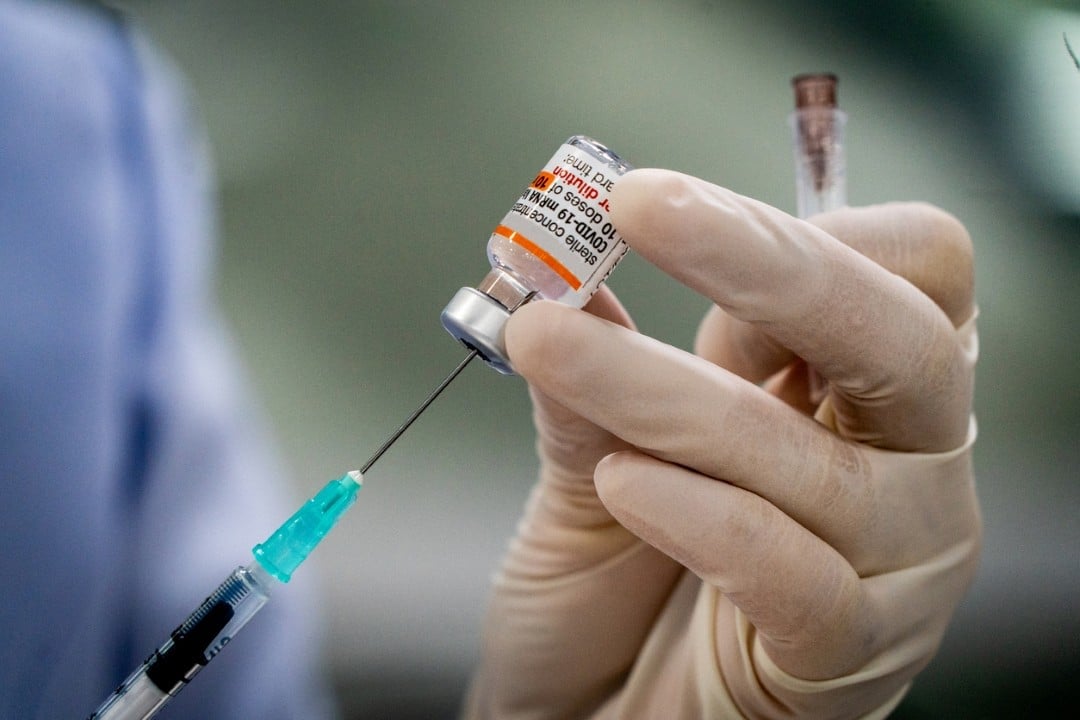
If you were not vaccinated against Covid-19 in the last year, Dr. James McDonald, health commissioner of the New York State Department of Health, suggests talking to your doctor or pharmacist about taking a dose, even if it is the one formulated for the previous season.
“For people who are really at high risk, certainly, if it’s been eight or 10 months since you’ve had the vaccine, I would say talk to your doctor about it,” McDonald said. The expert adds that “there is no definitive answer, but it is important to find out what is right for each individual based on their risk factors.”
The US Food and Drug Administration (FDA) Vaccines and Related Biological Products Advisory Committee has already presented its suggestions for the composition of this season’s Covid-19 vaccine. The expectation is that the vaccine will begin to be available at the end of September, although the CDC (Center for Disease Control and Prevention) has not yet issued an official recommendation.
Under the Trump administration, the federal government changed its vaccination recommendation against Covid-19, moving from universal guidance to more specific guidance, where it is advised that everyone aged 6 months and older consult a healthcare professional. Most medical organizations continue to recommend vaccination, and insurers have indicated they will maintain vaccine coverage.
If a family member becomes ill or has close contact with someone infected with Covid-19, a new medicine called Xocova may be an option. This is the first FDA-approved oral antiviral tablet designed to help prevent the disease in people ages 12 and older who have been exposed to the coronavirus.
Important steps for anyone showing symptoms of Covid-19
If an infection is present, Paxlovid may reduce the risk of developing a serious illness, especially if treatment is started soon after symptoms appear. However, the medicine is no longer offered free of charge, as was the case during the pandemic, and it is essential to check health plan coverage.
To help contain the spread of the disease, it is essential to stay at home if symptoms appear. The CDC recommends isolation and wearing a mask in the presence of other people while symptoms persist.
According to the agency, it is safe to resume interaction with other people after 24 hours without a fever and without the use of medication to control temperature.
