

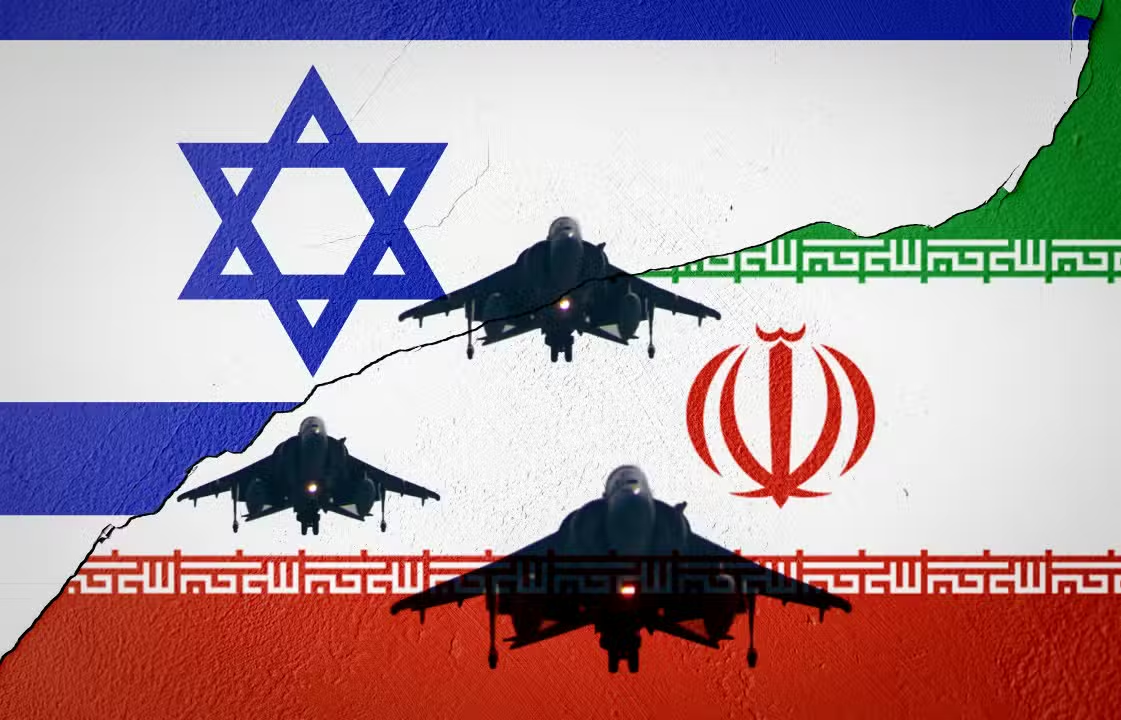
On the morning of June 24, 2025, a ballistic missile attack launched by Iran struck the city of Beersheba in southern Israel, killing at least four people and destroying an apartment building. The assault occurred hours before a ceasefire was announced between the two nations, mediated by former U.S. President Donald Trump. The missile, one of about 20 fired in four bombardments, hit civilian areas, heightening regional tensions. Rescue teams are still searching for survivors in the rubble, while Israel retaliated with airstrikes on military targets in Iran. The conflict, which began on June 13, has already claimed dozens of lives and exposed the fragility of peace agreements in the region.
The attack in Beersheba, a city of about 600,000 residents in the Negev desert, caught residents off guard. Sirens blared at dawn, forcing families to rush to shelters. An apartment building was reduced to rubble, and television footage showed the devastation, with emergency teams working tirelessly.
- Targets hit: Apartment building and nearby areas.
- Casualties: Four confirmed dead, with searches for survivors ongoing.
- Context: Attack occurred before the official truce start time.
The exchange of attacks between Iran and Israel, which included over 500 ballistic missiles and 1,000 drones from Iran since the conflict began, reflects the escalation of hostilities triggered by Israeli strikes on Iranian nuclear facilities.
Beersheba attack: details of the tragedy
The missile that struck Beersheba was fired from western Iran, according to the Israeli military, and targeted civilian areas. The impact completely destroyed a multi-story residential building. Residents described moments of panic. Victoria Shifrin, who lived on the second floor of the targeted building, told Israel’s Channel 12 about the desperation when a blast blew open her shelter’s door. She and her family escaped alive but lost all their belongings.
Rescue operations face challenges due to the collapsed structure’s instability. Makeshift ladders were used to access buried areas, where there is still hope of finding survivors. Local police cordoned off the area, and traffic was rerouted to facilitate rescue efforts.
Recent conflict history
The conflict between Iran and Israel intensified on June 13, 2025, when Israel launched attacks on Iranian nuclear and military targets. In retaliation, Iran fired hundreds of missiles and drones, causing 28 deaths in Israel, including the four in Beersheba. Iranian authorities report hundreds of deaths from Israeli strikes, many in civilian areas.
- Key events:
- June 13: Israel initiates offensive against Iran.
- Mid-June: Iran responds with missiles and drones.
- June 24: Beersheba attack precedes ceasefire.
Accusations are ongoing. Israel claims Iran deliberately targets civilians, while Tehran accuses Israeli forces of striking residential buildings.

Ceasefire: uncertainties and negotiations
The ceasefire, announced by Donald Trump, was described as “gradual,” but the lack of clarity about its official start time contributed to continued attacks. Diplomatic sources indicate that negotiations involved international mediators, but tensions persisted until the last moment. The agreement called for a halt in hostilities in exchange for mutual guarantees, but Tuesday’s bombardments exposed the pact’s fragility.
Israeli authorities confirmed that, after the Beersheba attack, warplanes struck targets in Iran, including missile launchers. The response was limited, according to the military, to avoid further escalation.
Impact on civilian areas
In addition to the Beersheba apartment building, other civilian targets were recently hit. The previous week, an Iranian missile damaged a hospital complex in the same city. Although it caused no deaths, the attack forced the evacuation of patients and staff. Most medical services were transferred to other areas, but the infrastructure sustained significant damage.
Beersheba residents report living in constant fear. Air raid sirens have become routine, and many avoid open areas. Schools and businesses operate under restrictions, and underground shelters are crowded.
Emergency response efforts
Rescue teams in Beersheba are working under pressure. Firefighters, paramedics, and volunteers mobilized quickly after the attack. Heavy equipment, such as cranes, was used to clear debris, while search dogs help locate potential survivors.
- Mobilized resources:
- Over 100 rescuers on site.
- Excavation and search equipment.
- Psychological support for survivors.
The operation is complex, with risks of further collapse. Authorities urged the public to avoid the area to not hinder efforts.
Israel’s retaliatory strikes
Hours after the Beersheba missile, Israel conducted airstrikes on military targets in western Iran. According to the Israeli military, the bombings destroyed missile launchers ready for use. Iranian authorities confirmed the attacks but provided no details on casualties or damage.
The retaliation was designed to send a clear message, military sources said, without jeopardizing the ceasefire. The choice of military targets reflects an attempt to avoid broader escalation.
Voices of residents
Beersheba’s population is grappling with the attack’s trauma. In addition to Victoria Shifrin, other residents shared their stories. A local merchant, who requested anonymity, said his shop was damaged by shrapnel. He described the missile’s sound as “a thunder that doesn’t explain.” Many report trouble sleeping and constant fear of new attacks.
Community organizations have begun offering psychological support and material aid. Donations of clothing and food are being distributed to displaced families.
Regional tensions
The Iran-Israel conflict is not isolated. The Middle East has faced instability for months, with tensions involving other actors, such as armed groups in Lebanon and Syria. The June 13 offensive marked a turning point, but analysts note that the rivalry between the two nations is fueled by nuclear disputes and regional influence.
The ceasefire, though fragile, is seen as a step toward reducing hostilities. However, mutual distrust complicates the implementation of lasting agreements.
Ongoing humanitarian efforts
International organizations have sent teams to assess needs in Beersheba. Temporary shelters were set up for displaced families, and the Red Cross is coordinating the delivery of medical supplies. The priority is ensuring the injured receive care and residents have access to basic necessities.
- Urgent needs:
- Temporary housing for the displaced.
- Medical supplies and food.
- Support for rebuilding infrastructure.
Local authorities estimate that recovery of the affected area will take months, especially due to damage to residential buildings.