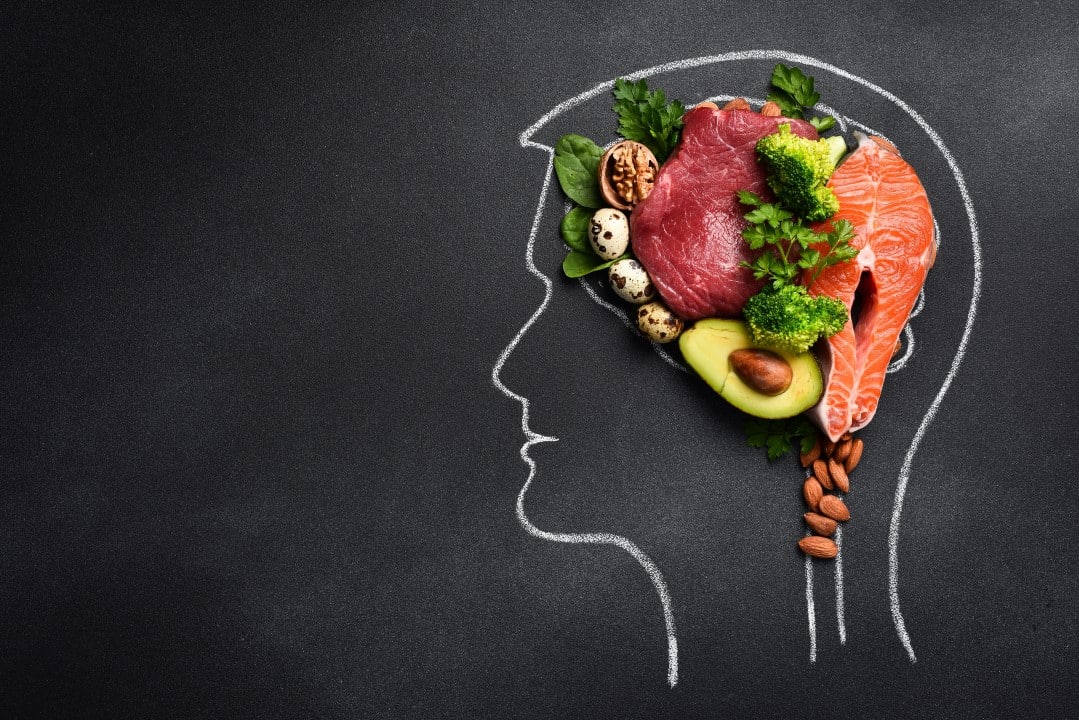
The search for an agile mind and an effective memory intensifies in contemporary society, with modern science highlighting the profound influence of diet on cognitive performance. A carefully planned diet, rich in specific nutrients, emerges as a fundamental pillar to optimize brain functions, from the ability to concentrate to the retention of complex information, and to protect the brain against the effects of natural aging and external factors. Especialistas in nutrition and neurology emphasize that the strategic choice of foods for daily consumption not only enhances neuronal activity, but also establishes a protective barrier against cognitive decline, reinforcing the importance of a conscious eating regimen for maintaining mental health throughout life.
Recent research corroborates that the inclusion of certain items in the eating routine directly contributes to improving various facets of brain functions. Estes foods provide the building blocks and energy needed for the nervous system to operate at its maximum capacity.
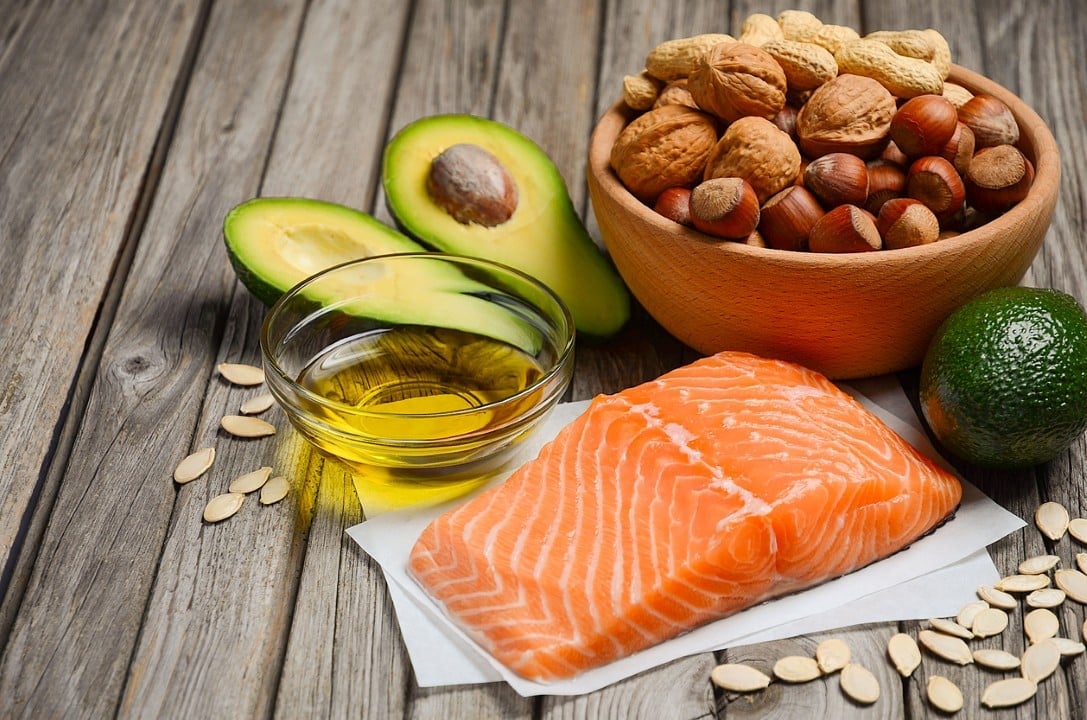
Vital components such as B vitamins, omega-3 fatty acids and a wide range of antioxidants work together to nourish neurons, mitigate inflammatory processes and aid in the elimination of harmful toxins. Tal synergy creates a more robust and resilient brain environment.
Essential nutrients for brain performance
Maintaining optimal brain function depends on a constant supply of specific nutrients that act at a cellular level. Estes elements are crucial for the transmission of nerve impulses, for neuroplasticity — the brain’s ability to adapt and form new connections — and for the regulation of complex biochemical processes.
Including these components in the diet not only energizes brain cells, but also contributes to the efficient removal of metabolic waste products that, if accumulated, can harm neuronal functioning. A balanced intake of these foods is a fundamental pillar for preventing neurodegenerative conditions and promoting healthy and active brain aging.
The role of B vitamins in energy and focus
B complex vitamins are true allies of the mind, playing a vital role in the production of energy for neurons and in the synthesis of neurotransmitters, chemical substances that regulate mood, sleep and concentration. Ovos, vegetables, dark leafy greens, whole grains, lean meats, beans and lentils are excellent sources of these essential nutrients.
These vitamins are essential for metabolic processes that directly influence mood and ability to concentrate, helping to maintain mental clarity throughout the day. Elas also aid in the removal of toxic waste, ensuring that neurons remain active and fully functioning, which is crucial for long-term cognitive health.
Regular intake of these foods contributes to the balance of cognitive functions, promoting a state of alertness and general well-being. Deficiency of B vitamins, in particular folate (B9), has been linked to memory problems, information processing difficulties and an increased risk of mental fatigue.
Omega-3: strengthening memory and learning
Oily fish such as salmon, sardines and trout are widely recognized for their high content of omega-3 fatty acids, especially DHA (docosahexaenoic acid) and EPA (eicosapentaenoic acid). Estes compounds are crucial to the structure and fluidity of the brain’s cell membranes, facilitating communication between neurons.
Omega-3 promotes a significant increase in cerebral blood flow, which ensures better transport of oxygen and essential nutrients to all areas of the brain, especially those involved in memory and learning. Improved memory and learning ability is one of the most notable benefits of frequently eating these fish, with studies indicating improved performance on cognitive tasks and a reduced risk of cognitive decline.
Antioxidants: shield against neural aging
Vitamin E is a potent antioxidant that plays a crucial role in protecting brain cells against damage caused by free radicals. Esses radicals are unstable molecules that can lead to oxidative stress, a factor associated with premature aging and several neurodegenerative diseases, including Alzheimer and Parkinson.
Foods such as broccoli, walnuts, sunflower seeds and extra virgin olive oil are rich sources of vitamin E. Including these items daily in the diet reinforces the body’s natural barriers, helping to preserve the integrity of brain tissues over time and maintain cognitive functionality.
In addition to vitamin E, other antioxidants found in red fruits, colorful vegetables and teas, such as flavonoids and polyphenols, also contribute to brain health. Eles work together to neutralize the harmful effects of oxidative stress, promoting a healthier cellular environment and comprehensively protecting neuronal structures.
The combination of different types of antioxidants offers more complete protection, as each one acts in a specific way against different free radicals. A varied and colorful diet is, therefore, essential to maximize the body’s natural defense and ensure effective protection against cellular oxidative damage.
Strategies for integrating smart foods into everyday life
Incorporating foods that benefit the brain into your eating routine is simpler than it seems and can be done with small adaptations that generate great results. Comece the day by combining eggs with dark leafy greens, like spinach or kale, in omelets or scrambles, ensuring a robust dose of choline and folate first thing in the morning. Para main meals, prioritize the consumption of oily fish, such as salmon or sardines, at least twice a week, prepared grilled or roasted to preserve their essential nutrients. Nozes, almonds and chestnuts are excellent options for snacks between meals, offering vitamin E and healthy fats that support energy and concentration throughout the day. Extra virgin olive oil can replace processed oils in salads and finishing dishes, adding important antioxidants and flavor to preparations.
Foods that promote clarity and well-being
The influence of diet goes beyond memory and focus, also extending to emotional well-being and mental health in a comprehensive way. B complex vitamins, for example, are crucial in the synthesis of serotonin, a neurotransmitter that regulates mood, sleep and appetite, directly impacting the feeling of tranquility and emotional stability.
Omega-3, in turn, modulates inflammatory processes in the brain, contributing to the reduction of cognitive stress and anxiety, which is essential for maintaining a balanced mental state. A brain with less inflammation functions more efficiently, resulting in greater clarity of thought and a better ability to deal with the pressures of everyday life without excessive strain.
The importance of diversity for neural health
In addition to the foods already mentioned, other sources such as avocado, rich in beneficial monounsaturated fats, dark chocolate, with its flavonoids, and blueberries, loaded with antioxidants, also offer important compounds for brain health. The key to a diet that truly “feeds” the brain lies in diversity and balance, ensuring the body receives a full spectrum of nutrients essential for all of its cognitive and emotional functions.