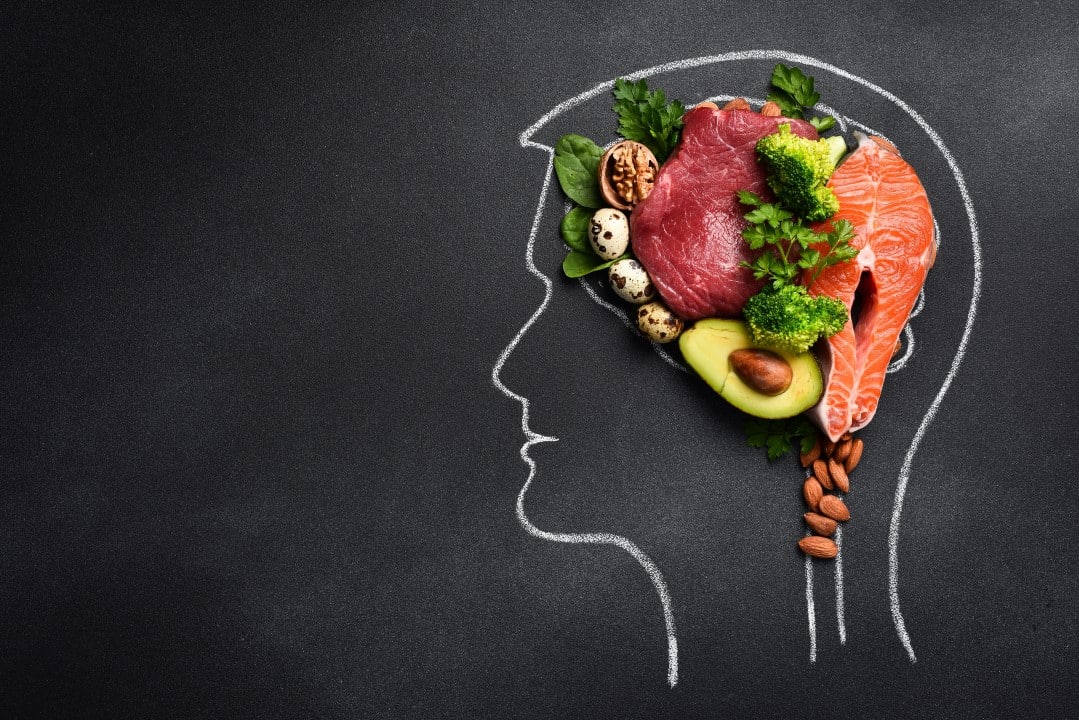
Science continues to unravel the deep connection between diet and cognitive ability, revealing that the choice of certain foods may be crucial to optimizing brain function and safeguarding memory throughout life. Estudos Recent studies have consistently demonstrated how specific nutrients act directly on neuronal health, influencing everything from cellular energy production to protection against aging and cognitive decline. The strategic inclusion of items rich in vitamins, minerals and essential fatty acids in the daily diet emerges as a powerful tool to keep the mind sharp and resilient in 2025.
Researchers point out that components such as B vitamins, omega-3 fatty acids and various antioxidants play fundamental roles in maintaining the integrity and functionality of neurons. Esses elements work in synergy to combat toxins, optimize cerebral blood flow and ensure efficient communication between nerve cells. The conscious adoption of these eating habits can therefore not only improve current cognitive performance, but also act preventatively against neurodegenerative conditions.
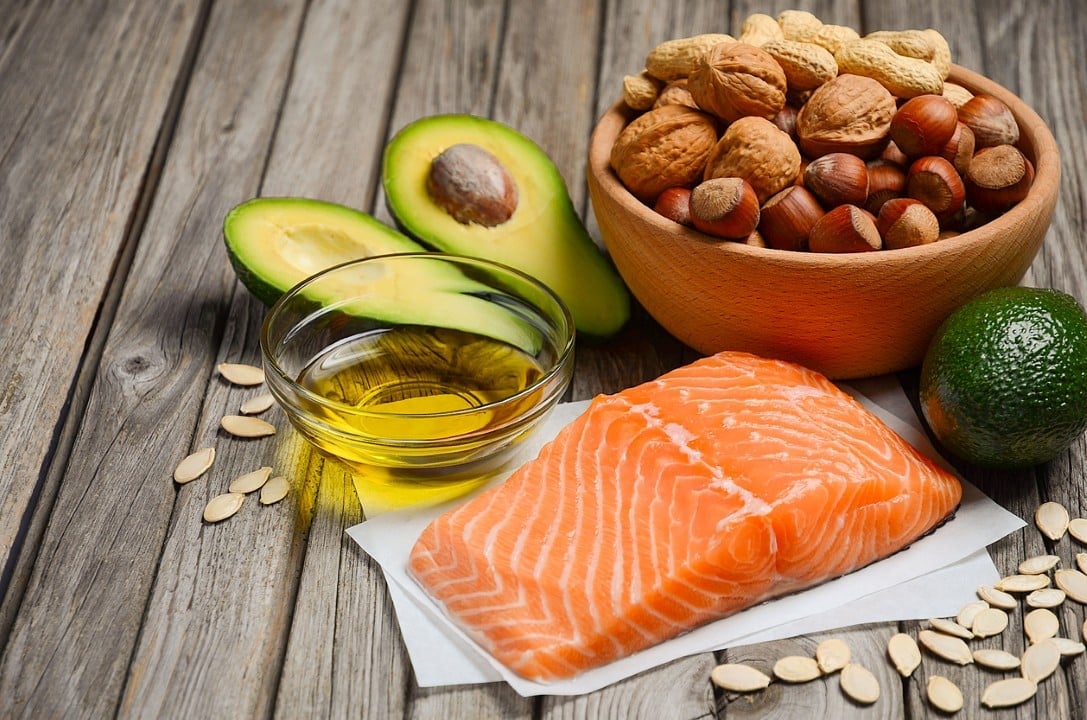
A diet focused on brain health incorporates a variety of foods that provide the necessary building blocks and protectors. Entre the most prominent are:
Actions of nutrients on brain function
The impact of nutrition on the brain is multifaceted, ranging from energy regulation to modulation of inflammatory processes. Vitaminas and minerals act as cofactors in numerous biochemical reactions that are crucial for the synthesis of neurotransmitters, maintenance of the myelin sheath, and protection against oxidative stress, which can damage brain cells. An adequate intake of these micronutrients is essential for supporting cognition and mood.
Energy for the brain is mainly supplied by glucose, but the efficiency with which this energy is used depends on the presence of B vitamins, which actively participate in energy metabolism. Além Additionally, antioxidants protect brain cells from damage caused by free radicals, while omega-3 fatty acids are structural components of cell membranes, directly impacting neuronal fluidity and communication. Understanding these interactions underscores the importance of a balanced diet for cognitive health.
A well-nourished brain demonstrates greater learning capacity, better memory retention and superior mental agility. Diet optimization is not just about avoiding deficiencies, it’s about maximizing the intrinsic potential of the body’s most complex organ.
Choline and omega-3: pillars of cognition
Choline, found in abundance in eggs and other foods, is a vital nutrient for the synthesis of acetylcholine, a neurotransmitter crucial for memory and muscle control. Sua adequate presence in the diet is associated with better cognitive function and healthy brain development.
Omega-3 fatty acids, especially DHA and EPA, are primary structural components of the brain. Eles play a fundamental role in the formation and maintenance of cell membranes, influencing neuroplasticity and reducing inflammation, processes essential for memory and learning.
B complex vitamins and neuronal energy
Eggs, vegetables and dark green leaves contain several B vitamins, including B6, B9 (folate) and B12. Esses nutrients are essential for generating energy in brain cells, facilitating glucose metabolism and ensuring a constant supply of fuel for cognitive activities.
The adequate presence of these vitamins is linked to elevated mood and improved mental concentration. Elas also help remove toxic waste from the brain, contributing to the maintenance of active and healthy neurons.
Whole grains, lean meats, beans and lentils complement this list of sources of B vitamins. Regular consumption of these foods contributes to the balance of cognitive functions, promoting more efficient and lasting brain function.
The protective role of brain antioxidants
Broccoli, walnuts and olive oil are excellent sources of vitamin E and other antioxidants. Esses compounds work by neutralizing free radicals, unstable molecules that can cause oxidative damage to brain cells, contributing to premature aging and cognitive decline.
Brain cells are particularly vulnerable to oxidative stress due to their high metabolism and lipid composition. The protection offered by antioxidants is, therefore, fundamental to preserving the integrity of brain tissues over time.
The daily inclusion of foods rich in antioxidants reinforces the body’s natural barriers against this damage. Muitos Scientific studies link regular consumption of vitamin E and other antioxidants to healthier brain aging and a reduced risk of neurodegenerative diseases.
Food Integration for Ongoing Mental Health
Combining eggs with leafy greens in morning meals, such as omelets or salads, is a simple and effective way to start the day with a good supply of choline and folate. Essa practice can optimize mental clarity from the first hours.
Adding fish rich in omega-3s, such as salmon, sardines or trout, to your diet at least twice a week is a key strategy to benefit cardiovascular and brain health. Preparações grilling or roasting helps preserve the nutritional properties of these foods.
Walnuts, almonds and other oilseeds serve as convenient and nutritious snacks, providing vitamin E and other antioxidants that protect brain cells. Extra virgin olive oil can replace processed oils in salads and food preparation, adding more antioxidants and healthy fats.
Impact of diet on preventing cognitive decline
Scientific research has constantly reinforced the idea that a diet rich in specific nutrients can be a determining factor in preventing age-related cognitive decline. Regular consumption of foods that provide B vitamins, omega-3 and antioxidants contributes to the maintenance of brain structure and function, slowing degenerative processes and preserving mental capabilities. Essa nutritional approach, focused on neuronal protection and optimization, represents an accessible and effective strategy to promote brain longevity and quality of life.
Practical tips to include in your routine
Incorporate vegetables, fruits and whole grains into every meal. Considere omega-3 supplements or B vitamins, under professional guidance, to ensure adequate intake.
