

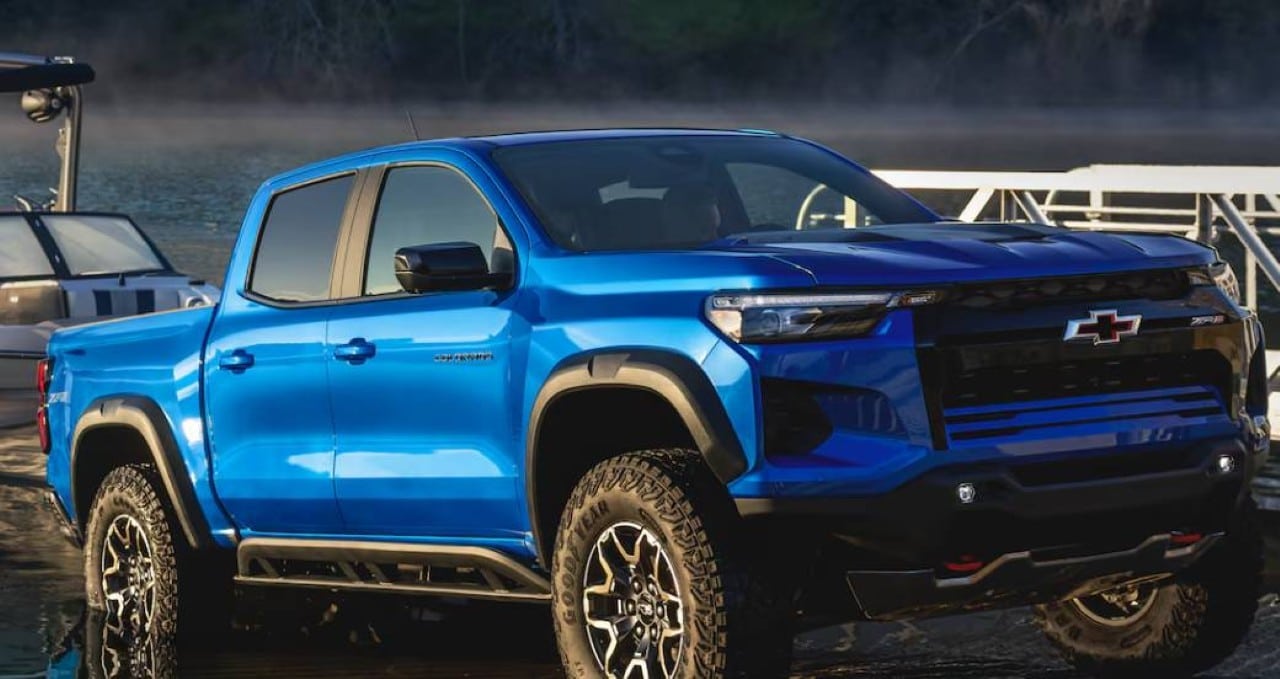
Owners of General Motors mid-size pickup trucks face a peculiar technical challenge that directly affects ergonomics and safety while driving. A newly identified software bug causes physical buttons located on the steering wheel to become unresponsive when the vehicle is connected to the Apple CarPlay system. The flaw forces drivers to divert their attention from the road to interact with the touchscreen, negating the convenience of quick audio commands and voice assistance.
The North American automaker has already acknowledged the existence of the problem, classifying it as a software incompatibility that occurs both in connections via USB cable and in wireless pairings. The situation creates discomfort, as it eliminates basic multimedia control functions precisely at a time when integration with the smartphone should facilitate the user experience.

The brand’s engineers have already isolated the root cause of the incident and are working on distributing a definitive fix for the affected models.
Technical failure compromises the user experience
The central problem lies in the communication architecture between the vehicle’s infotainment system and the Apple’s mobile device. Quando the error occurs, the driver loses the ability to adjust the volume, change music tracks or activate virtual assistants such as the Siri using controls on the steering wheel. Embora the steering system and other safety-critical components remain unchanged, the loss of functionality of the media peripherals represents a significant distraction.
The fault is not randomly intermittent, but rather a code execution error that prevents the vehicle system from processing button inputs while the CarPlay protocol is active. Para To circumvent the immediate situation, the driver often needs to perform manual procedures that are not ideal during traffic, such as restarting the system or disconnecting the device.
The complexity of modern vehicle systems, which rely on millions of lines of code, makes this type of conflict increasingly common. Integration between GM’s proprietary hardware and third-party software, in this case Apple, requires perfect synchronization that has been broken by an update or incompatibility in recent production versions.
Affected models and official response
General Motors’s internal investigation limited the scope of the problem to specific models of its pickup truck line. Impacted vehicles include versions produced between 2023 and 2025 of the Chevrolet Colorado and GMC Canyon. Estas trucks share the same electronic base and software architecture, which explains the incidence of the bug in both brands in the group.
To formalize the issue and guide its dealership network, the manufacturer issued a technical service bulletin under code 25-NA-366. Este document instructs technicians on the nature of the problem, confirming that it is not a physical defect in the steering wheel buttons or wiring, but rather a purely logical issue that requires digital intervention.
The solution proposed by the company is to apply a corrective software update. The good news for owners is that GM plans to make this repair available through an “Over-The-Air” (OTA) system. Isso means that the vehicle will be able to download and install the correction automatically via the internet, without the mandatory need to schedule a physical visit to a mechanic workshop, providing greater convenience and agility in resolution.
Recommended palliative solutions
While the definitive update is not installed across the entire affected fleet, there are temporary procedures that can restore button functionality if they stop responding during a trip. Especialistas and the technical documentation itself suggest simple steps to “wake up” the system:
- Forced restart of the infotainment system: Manter pressing the end call button on the steering wheel until the brand logo appears on the central screen.
- Physical reconnection: Desconectar the smartphone’s USB cable, wait a few seconds and connect it again to reestablish the digital “handshake”.
- Wireless Cycle: Desativar momentarily the iPhone’s Bluetooth and Wi-Fi to end the CarPlay session, then reactivate them.
- Check for iOS updates: Garantir that your iPhone is running the latest version of the operating system to minimize protocol incompatibilities.
The challenge of modern connectivity
This incident illustrates the ongoing challenges facing the automotive industry in the era of “software-defined cars.” Reliance on digital systems for functions that were previously purely analog creates new vulnerabilities and points of failure that require constant monitoring. The ability to correct these errors remotely, however, demonstrates the positive evolution of vehicle maintenance.
General Motors reinforced its commitment to quality and safety, indicating that monitoring software failures is an ongoing priority. The OTA correction should be released gradually for the chassis numbers identified in the technical bulletin, restoring the fluid integration expected from vehicles in this category.
For consumers, the recommendation remains to keep the vehicle’s automatic update settings activated and report any persistent anomalies to the brand’s official support channels, ensuring that the vehicle’s history is documented for future interventions.