
Creative Business Unit I, the division responsible for the main projects of Square Enix, confirmed that the third and final chapter of the recreation project of The objective is to celebrate the thirtieth anniversary of the original game, released in 1997 for the first PlayStation, ending a development cycle that modernized one of the industry’s most influential RPGs.
Progress in the title’s development is advancing significantly, with the technical team already working on implementing substantial improvements compared to the previous two games. The main narrative has already been completed by the screenwriters and the voice recording process with the main actors is underway, signaling that the production has entered a mature phase. The company reinforces that it is not just about meeting a deadline, but about delivering an experience that technically surpasses everything presented in Remake and Rebirth.
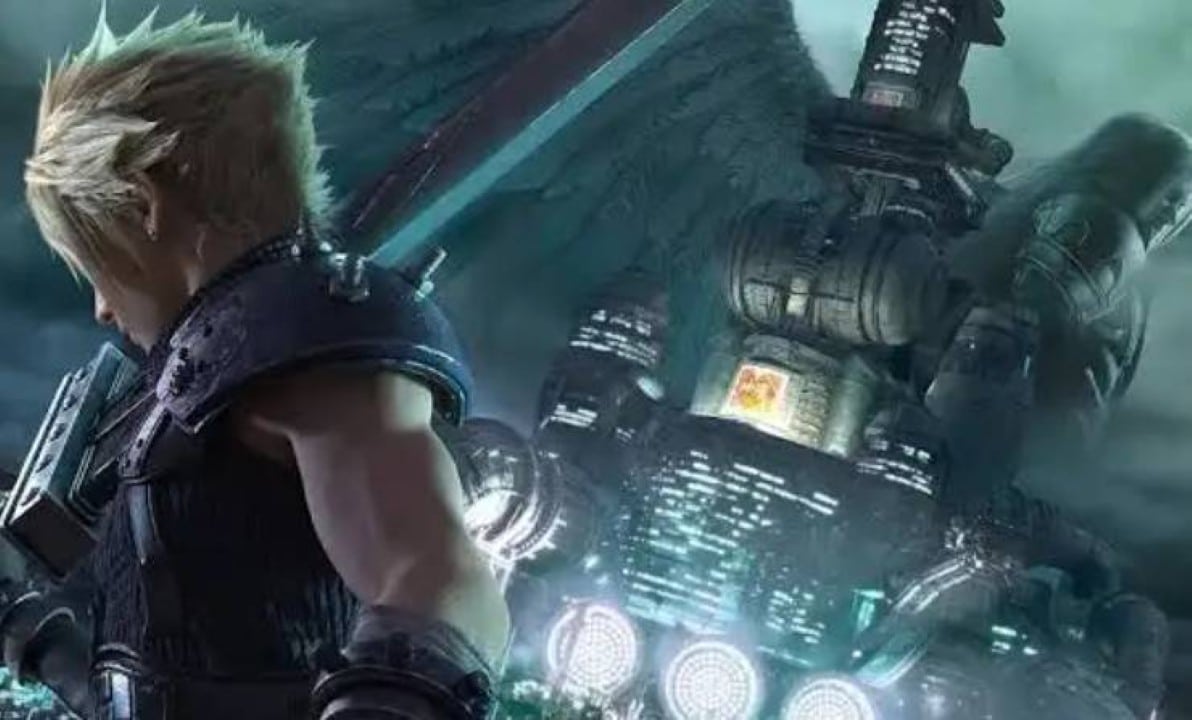
Change of graphics engine and technological leap
One of the main novelties confirmed for the end of the trilogy is the migration of the technological base. Enquanto the first two chapters were built on Unreal Engine 4, the development team chose to transition to Unreal Engine 5 in this final chapter. The decision aims to ensure that the game uses the most advanced lighting, rendering and geometry processing resources available on the current market, allowing for an unprecedented level of visual detail for the series.
The change of graphics engine is not just aesthetic, but functional for the project’s scale ambitions. The new technology will facilitate the creation of vaster and more detailed environments, essential to the proposed world that the team wants to deliver. Producer Yoshinori Kitase and director
The challenge of aerial exploration with the Highwind
One of the central points in the design of the third game is the implementation of the Highwind ship and the freedom of flight around the world. The development team recognizes that introducing a free-roaming aerial exploration system into a game with modern graphical fidelity represents a considerable technical challenge. Unlike the original 1997 map, where the world was a scaled-down representation, the new title seeks to maintain the realistic proportion seen in Rebirth, which requires an extremely efficient data streaming system to allow seamless flight.
The promise is that the player will not just have a fast travel cutscene, but rather effective control of the aircraft to access different regions of the planet. Essa mechanics are seen as essential to convey the sense of global scale that the story demands in its climax. Vertical exploration and the ability to revisit previous locations with new perspectives are elements that Square Enix treats as a priority to ensure immersion and fidelity to the feeling of freedom of the classic game.
Expectations for the end of the saga
The conclusion of the trilogy carries the responsibility of tying up all the loose ends left by the narrative changes introduced since 2020. With the plot already finalized on paper, the game’s direction promises that all the questions raised about the timelines and the characters’ fates will have their answers. The critical and public reception of Final Fantasy VII Rebirth served as the basis for adjustments to the rhythm and structure of the content, aiming for a more cohesive and impactful experience.
For Square Enix, the 2027 launch symbolizes more than the end of a three-part project; represents the conclusion of a decade dedicated to revitalizing its most valuable intellectual property. The company hopes that combining the franchise’s thirty-year nostalgia with Unreal Engine 5’s cutting-edge technology will position the game not only as a commercial success, but as a technical benchmark for the next generation of action RPGs.
