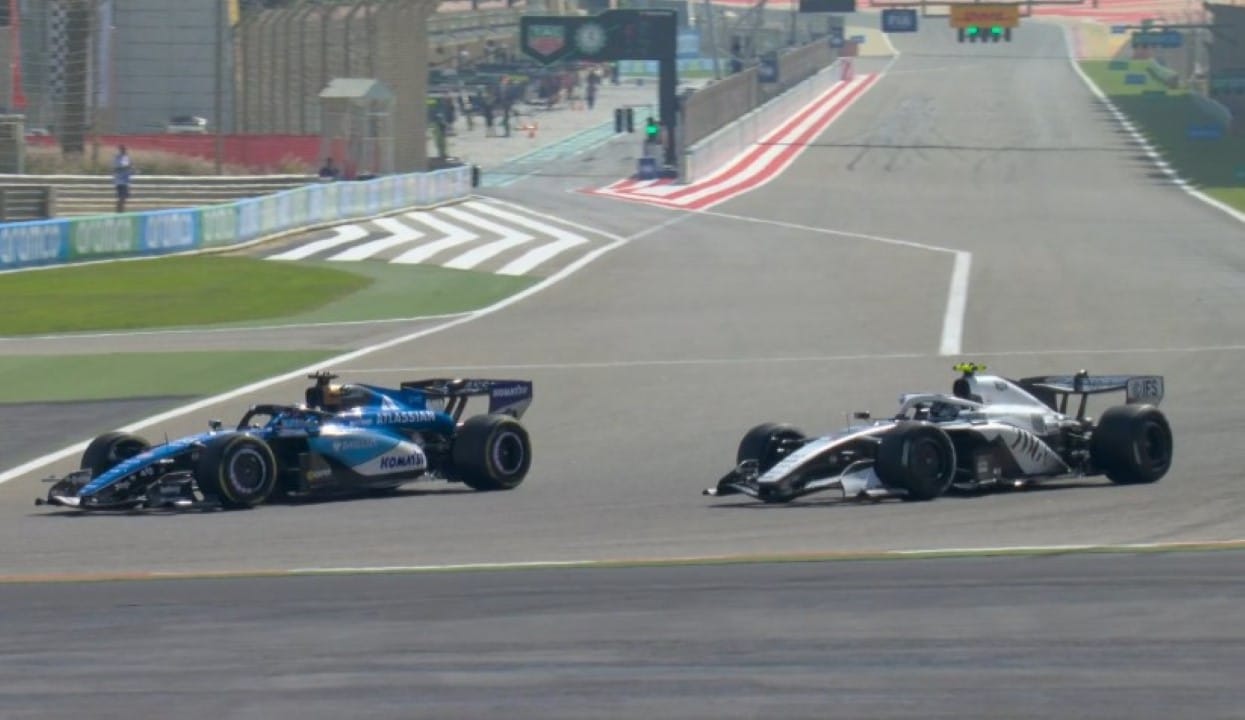
Federação Internacional of Automobilismo (FIA) announced an electronic vote among Fórmula 1 power unit manufacturers to change the method of inspection of engine compression ratio. The proposal aims to implement additional testing from August 1, 2026, measuring compliance not only at ambient temperature but also at operating conditions representative of 130°C. Essa measure comes amid concerns from rivals about possible advantages obtained through designs that exploit thermal variations. The decision could impact the competitive balance in the current season.
Manufacturers involved include Mercedes, Ferrari, Honda, Red Bull-Ford and Voting will take place over the next 10 days, and any changes will require final approval from the FIA. Embora unanimity is not necessary, a qualified majority of four against one can approve the change. Essa dynamics places Mercedes in a potentially isolated position, as complaints come mainly from competitors who question the legality of certain innovations.
The controversy gained momentum during pre-season testing at Bahrein, where observers noted intense discussions about engine performance. The FIA has collaborated with manufacturers in recent weeks to develop a methodology that quantifies changes in compression between cold and hot states. Essa approach seeks to ensure that all engines respect the 16:1 limit established in the 2026 regulations, promoting more equitable competition.
Details of the technical proposal
Current regulations for 2026 reduce the geometric compression limit from 18:1 to 16:1, with measurements taken under ambient conditions. However, reports indicate that some designs use thermal expansion to increase compression during operation, which could generate power gains estimated at up to 15 horsepower. The new 130°C inspection aims to close this gap by requiring units to demonstrate compliance at typical operating temperatures. Essa change does not declare any engines illegal so far, but adjusts the scope of verification to align with the spirit of the rules.
Automotive engineering experts highlight that materials with controlled expansion coefficients allow variations in the geometry of the piston and cylinder. Essa technique, if confirmed, represents an intelligent innovation within current standards, but rivals argue that it goes against the intention of standardizing performance. The FIA emphasized that the proposal development process involved extensive collaboration, ensuring that the solution is viable and fair for all participants.
The very-first F1 2026 race start simulation 🚥📸
— FIA (@fia)February 18, 2026
#FIA #F1Testing pic.twitter.com/j6nIDtSm58
Positions of the teams involved
Mercedes has not yet issued official comments on the vote, but representatives of client teams, such as the head of Williams, have denied that the supposed advantage is decisive for the championship. Ele classified the debate as excessive noise, suggesting that other factors influence the overall performance of cars more. On the other hand, leaders of rival teams expressed the need for immediate clarity on the rules to avoid ambiguities affecting development planning.
Red Bull executives indicated neutrality regarding the result, prioritizing clear definitions of what is permitted. Eles mentioned that, regardless of the direction, the team is prepared to adapt its power units. Já to Ferrari and Honda, along with the
Audi, a new entrant on the grid, emphasized the importance of transparent regulations for newcomers, preventing advantages established by veterans from creating barriers. Essa position reflects a broader concern about equity in sport, especially in a year of major technical change.
Impact on season calendar
If approved, the change will come into effect after the summer break, allowing teams to operate under current rules until July. Isso means that any potential benefit from the current configuration will persist in the first few runs, influencing early results. Engenheiros provide for minimal adjustments for compliance, but time to implementation may vary depending on the complexity of the designs.
The 2026 season already presents challenges with the introduction of new power units, and this vote adds a layer of uncertainty. Equipes plan additional tests throughout the year to validate adaptations, ensuring performance is not compromised. Observadores from the sport note that resolutions like this strengthen the integrity of F1, preventing prolonged disputes.
The voting timeline aligns with the testing period in Bahrein, where preliminary data on the engines was collected. Resultados of e-voting will be announced soon, potentially before Grande Prêmio of Austrália.
Analysis of previous regulations
In past seasons, compression limits have been adjusted to balance efficiency and power, with the previous cycle allowing 18:1. The reduction to 16:1 in 2026 aims to promote sustainability and cost control, in line with FIA environmental goals. Históricos show that innovations in thermal materials have evolved rapidly, driving advances in performance.
Comparisons with previous eras reveal that similar technical disputes occurred, as in the 1980s with turbo engines. Essas controversies often lead to regulatory refinements, improving sport governance. In the current context, the proposal reflects a proactive response to maintain parity between manufacturers.
Technical perspectives for the future
Engineers specializing in hybrid V6 engines explain that compression directly affects combustion efficiency, impacting fuel consumption and power output. Manter the limit in hot conditions requires more precise designs, possibly increasing development costs. Equipes with advanced thermal simulation capabilities can adapt more quickly, but the change levels the playing field for everyone.
Computer simulations indicate that gains of 0.1 to 0.3 seconds per lap could result from high compressions, decisive on tight grids. The FIA plans to monitor compliance through integrated sensors, reducing reliance on manual inspections.
Paddock reactions
During testing in Bahrein, pilots such as George Russell and Mercedes demonstrated confidence in the current package, focusing on aerodynamic adjustments. Rivais, however, expressed relief at the possibility of regulatory clarity, avoiding speculation that distracts from the focus on the track. Chefes of staff emphasized that the priority is safety and equity, regardless of the outcome of the vote.
Journalists at the scene reported lively discussions in the pits, with technicians debating technical implications. Essa dynamics highlights the collaborative aspect of F1, where rivals join forces to improve the sport.
Evolution of power units
Since the introduction of hybrid engines in 2014, F1 has advanced sustainable technologies, with compression being a key parameter for efficiency. The transition to 2026 incorporates more environmentally friendly fuels, requiring adaptations to piston and cylinder designs. Fabricantes have invested billions in research, and adjustments like this ensure that innovations remain within ethical limits.
Independent studies show that thermal variations can change dimensions in millimeters, affecting combustion volumes. Essa engineering precision is at the heart of competition, but requires constant regulatory vigilance.
Challenges for manufacturers
The Mercedes, dominant in eras past, faces renewed scrutiny with its power unit. Seus engineers argue that the design complies with current rules, prioritizing legal innovation. Rivais, in turn, seek parity for an unpredictable season, with new entrants like Red Bull building their own engines.
Honda, returning with strength, highlights the need for clear rules for planning investments. Audi, preparing its debut, sees the vote as an opportunity to align expectations.
Ferrari maintains a tradition of questioning other people’s advantages, while Red Bull adopts a pragmatic stance. Essa diversity of views enriches the technical debate in F1.
Preparations for the vote
The electronic process facilitates remote participation, speeding up decisions. The FIA compiled data from joint tests to support the proposal, ensuring a scientific basis. Fabricantes received detailed documentation, allowing internal analysis before voting.
Expectations point to approval, given the majority in favor of the change. Caso Otherwise, the debate could extend, impacting confidence in the regulation.
Competitive implications
Mercedes customer teams such as Williams and McLaren monitor closely as they depend on the units supplied. Potential Ajustes could require recalibrations, affecting racing strategies. Overall, the measure promotes transparency, benefiting the sport as a whole.
Analysts predict that, with the change, the grid will become more compact, increasing the spectacle. Pilotos adapt quickly, but engineers face tight deadlines.
