Polylaminin: Brazilian substance promises to restore movements in quadriplegics after spinal cord injuries
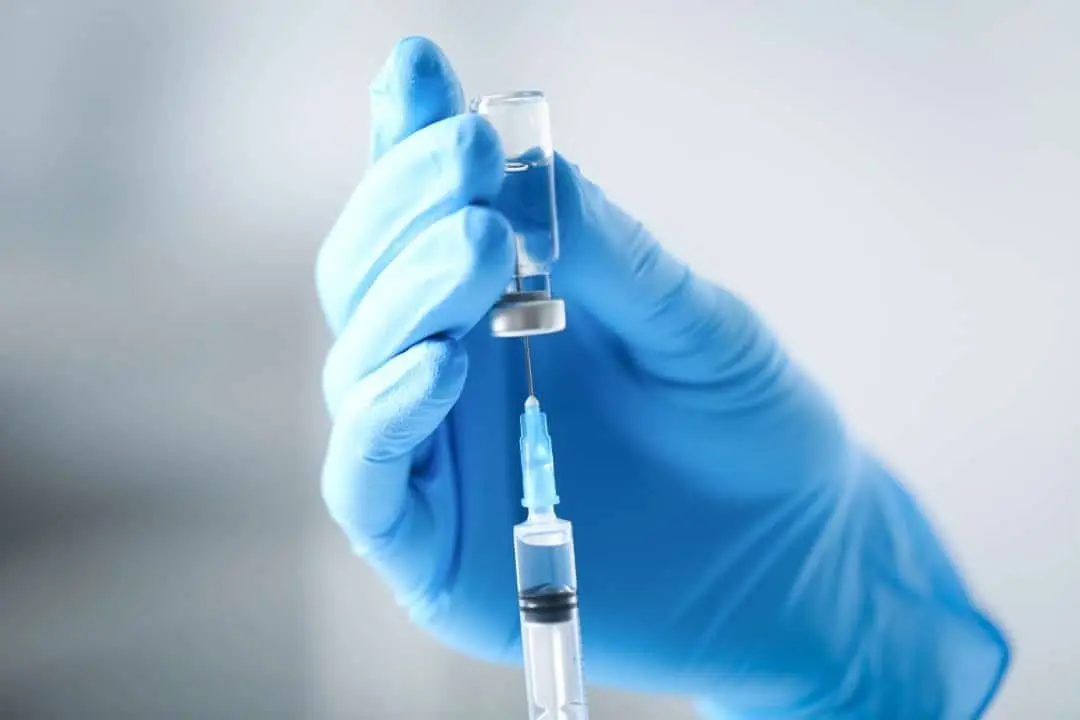
Researchers at Universidade Federal of Rio of Janeiro announced progress in using polylaminin to treat acute spinal cord injuries. The substance, developed from human placental proteins, received approval from Anvisa for phase 1 clinical trials in January 2026. The main objective involves evaluating the safety of application in patients with recent trauma to the thoracic region.
Polylaminin functions as a scaffold that guides the reconnection of damaged neurons. Initial Estudos indicated partial recovery of motor functions in volunteers who underwent the surgical procedure combined with the injection. The research takes place in partnership with the Cristália laboratory, responsible for producing the substance on a controlled scale.
Experts monitor the effects in an initial group of five patients between 18 and 72 years old. The inclusion criteria prioritize complete injuries between the T2 and T10 vertebrae, with intervention within 72 hours after the accident. Preliminary Resultados suggest improvement in sensitivity and mobility, although more data are needed for confirmation.
Advances in clinical trials
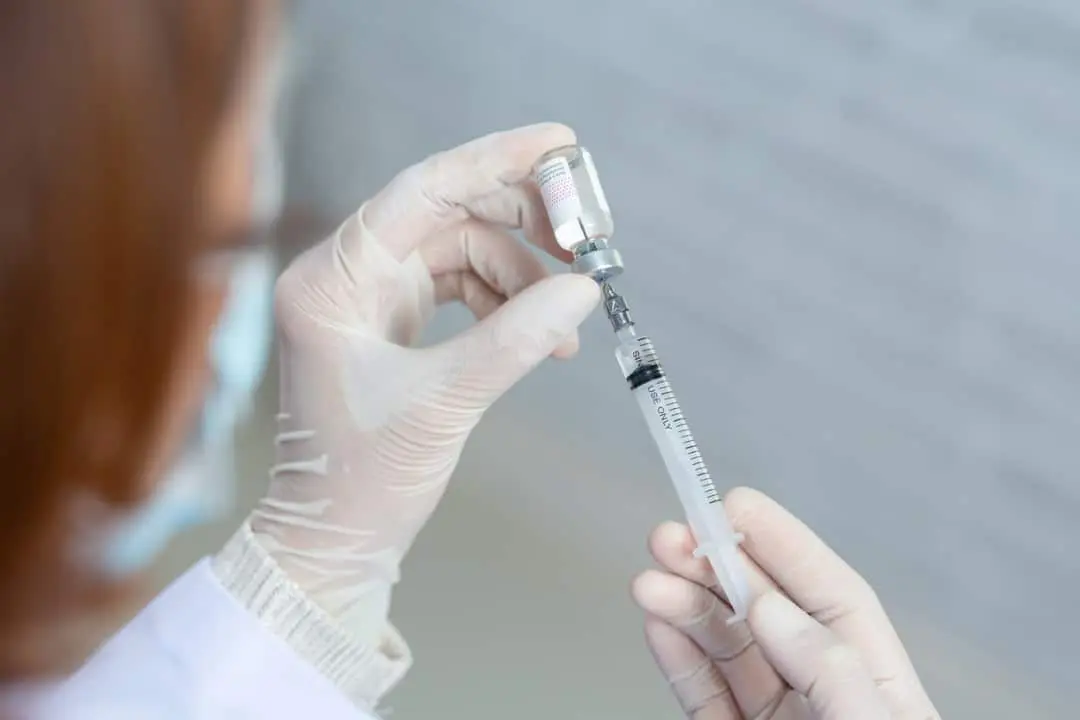
Phase 1 of clinical trials began with injections applied directly to the site of the injury during emergency surgery. Patients receive constant medical monitoring to record neurological responses.
Initial results revealed that the substance stimulates axonal growth within a few weeks. Equipes record data on muscle strength and coordination, adjusting protocols as necessary.
Discovery and mechanism of action
Polylaminin emerged from research that began almost 30 years ago at Ufrj. The team led by biologist Tatiana Sampaio identified the potential of polymerized laminin in laboratory experiments.
Studies in animal models have demonstrated that the molecule forms an extracellular network favorable to nerve regeneration. Aplicações in rodents confirmed recovery of sensory and motor functions in simulated injuries.
The substance reorganizes the body’s natural proteins to promote the reconnection of interrupted axons. Esse process occurs by stimulating cells to create new routes for electrical impulses, essential in spinal trauma.
Applications on real patients
A 31-year-old man, victim of a traffic accident, recovered movement in his upper limbs after treatment. Ele showed improvement in strength and fine coordination, allowing basic daily activities.
Another 27-year-old volunteer, who suffered a serious fall, reported a return of sensation in her legs. The protocol included intensive physical therapy to optimize the gains obtained from the injection.
A 33-year-old patient with a gunshot wound progressed from complete paraplegia to partial mobility. Monitoramentos showed signs of neurological reactivation on imaging tests.
Additional cases involve athletes with sports trauma who have regained balance and motor control. Esses examples highlight the focus on acute injuries, where the potential for regeneration is greatest.
Partnerships and production of the substance
The collaboration between Ufrj and the Cristália laboratory accelerates the development of polylaminin. The laboratory provides protein extracted from donated placentas, processed under sterile conditions for clinical use.
Government financing supports production scalability. Recursos of Faperj and Ministério of Saúde guarantee supply for initial trials, with plans for future expansion.
Regulatory challenges and patent loss
The approval of Anvisa marked an important step, but the regulatory process requires robust data on safety and efficacy. Pesquisadores face deadlines for submitting detailed reports, including analyzes of side effects in volunteers.
Cuts in research funding resulted in the loss of the international patent for polylaminin. The project coordinator reported that the lack of resources prevented timely renewal, affecting global intellectual protection.
Discussions about funding highlight the need for continued investment in national science. Entidades like Ministério from Saúde seek partnerships to recover rights and advance testing.
The substance is not yet registered for widespread use, limiting access to experimental protocols. Pacientes interested parties must meet specific criteria, with rigorous ethical assessments before inclusion.
Preliminary results and monitoring
Patients treated since 2018 exhibit improvements in sensitivity and movements, classified on standardized neurological scales. A quadriplegic man has regained the ability to walk with support after months of combined rehabilitation.
MRI scans reveal nerve reorganization at the site of the injury. Equipes record weekly progress, adjusting doses and procedures to maximize benefits.
The pilot study involved six individuals with level A injuries, where motor loss was complete. Relatos indicate gains in coordination and strength, although individual variations occur.
Exclusion criteria avoid risks in chronic cases or cases with comorbidities. Monitoramento in the long term assesses the durability of the effects, with follow-up planned for years.
Perspectives for expanding testing
Plans for phase 2 include increasing the number of participants to evaluate efficacy in addition to safety. Pesquisadores prepare protocols for the inclusion of cervical injuries, expanding the scope of treatment.
International collaborations emerge to share data and methodologies. Laboratórios foreigners express interest in replicating the studies, strengthening the global validation of polylaminin.
Search history
The polylaminin journey began with accidental observations in cell cultures at Ufrj during the 1990s. Tatiana Sampaio noticed that laminin formed polymeric structures that favored neuronal growth, leading to more targeted experiments. Inicialmente tested in in vitro models, the substance demonstrated the ability to organize extracellular matrices similar to those of embryonic development. Avanços subsequent tests included tests on animals with induced injuries, where rats recovered locomotor functions in significant percentages. The transition to humans occurred after ethical approvals, with the first patient treated in a compassionate context. Parcerias with the Cristália laboratory allowed purification at scale, ensuring purity for clinical applications. Initial Desafios involved stabilization of the molecule to avoid rapid degradation in the body. Ajustes in the polymerization process resulted in a more resistant form, compatible with surgical injections. Publicações in scientific journals have documented these steps, although human data remains limited to preliminary reports.
Scientific criticism and debates
Some experts question the direct causality between polylaminin and the observed recoveries. Eles point out that surgical interventions and intensive rehabilitation can contribute to improvements, requiring controlled studies to isolate effects.
Debates on social media highlight comparisons with past treatments, emphasizing the need for robust evidence. Críticos recommend caution in disclosure to avoid unrealistic expectations in patients with chronic injuries.
Test inclusion protocols
The criteria for participation in clinical trials prioritize complete acute injuries in the thoracic region. Pacientes must be indicated for surgery within 72 hours of the trauma, with medical evaluations confirming the absence of contraindications.
Volunteers undergo neurological and imaging exams before application. The informed consent details potential risks, such as local inflammatory reactions.
Follow-up includes physiotherapy sessions adapted to individual progress. Equipes multidisciplinary teams record data for future statistical analysis.
Benefits seen in animal studies
Tests on rodents with induced spinal cord injuries showed recovery of up to 70% of motor functions. Polylaminin promoted immediate neuroprotection, reducing the extent of secondary damage.
Canine models replicated results, with animals regaining mobility in their hind legs. Esses data supports the transition to humans, guiding dosages and application methods.
Current limitations of treatment
Polylaminin is only applied to acute injuries, excluding chronic cases where fibrous scars prevent regeneration. Pesquisadores explore combinations with other therapies to overcome this barrier.
Availability is limited to research centers in Rio of Janeiro. Expansão for other states depends on additional approvals and team training.
Production costs represent another obstacle to broad access. Esforços aim to optimize processes to reduce expenses without compromising quality.
The substance is not part of the SUS or health plans, remaining experimental. Pacientes seek information on official websites to avoid misinformation.
Preparations for advanced phases
Teams plan to recruit more volunteers in phase 2, focusing on effectiveness metrics like functional independence scales. Parcerias with federal hospitals facilitate logistics for multicenter tests.
Statistical analyzes design comparisons with control groups for validation. Expected Resultados will influence registration requests with Anvisa.