Apple accelerates production of the iPhone 17e and develops new Air model with dual camera system
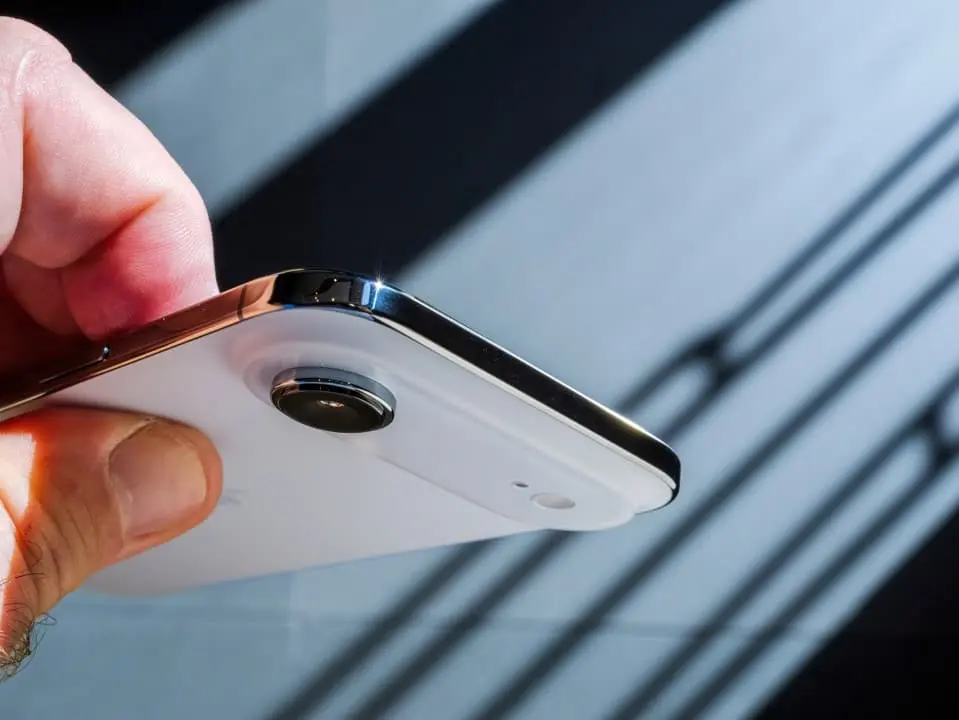
The technology giant based in Cupertino has started a restructuring of its assembly line to anticipate the launch of its next mobile devices.Fontes linked to the Asian supply chain confirm that manufacturing of the entry model, provisionally called version 17e, has entered an accelerated phase in partner factories.Simultaneamente, the company’s engineers are finalizing the details of an unprecedented variant focused on reduced thickness, which will integrate a dual photographic system.
This movement indicates a change in the way the company distributes its innovations between the different price ranges in the telephone sector.The strategy aims to serve both consumers who are looking for a lower-cost hardware update and those who prioritize aesthetics and innovative design.The adjustment to the production calendar suggests that the brand intends to avoid logistical bottlenecks that affected previous launches.
Full coverage: News (EN)
Expected roadmap of Apple iPhone 📱🚀
• Early 2026: iPhone 17e
• Late 2026: iPhone 18 Pro/18 Pro Max/iPhone Ultra
• Early 2027: iPhone 18/18E/iPhone Air 2
• Late 2027: iPhone 20What are you waiting for?pic.twitter.com/HUw1XduPgc
– Apple Club (@appleclub)19 December 2025
The simultaneous development of two devices with such different proposals requires complex coordination between component suppliers.Enquanto the input device reuses consolidated technologies to maintain the profit margin, the ultra-thin version requires customized parts and high-precision machining processes.Analistas from the electronics sector point out that this portfolio diversification is a direct response to the saturation of the premium smartphone market and the need to create new consumer niches.
Learn more: Apple accelerates production of the iPhone 17e and develops Air model with two cameras for the market
Commercial strategy for the new line of smartphones
Reconfiguring the product catalog involves gradually replacing older lines with options updated with native artificial intelligence.The 17e model arrives to fill the gap left by previous versions, offering a more accessible entry point into the brand’s ecosystem.The company projects a significant sales volume for this unit in emerging markets and among users who change devices every three or four years.
On the other hand, the introduction of the nomenclature focused on lightness and thickness represents a bet on a disruptive design.The manufacturer noticed a decline in interest in devices with large and heavy screens, opting to redirect its engineering efforts towards portability.Este new format should attract consumers who value visual appearance and ergonomic comfort during prolonged use.
The differentiation between standard models and professional versions will continue to be evident through construction materials and processing capacity.The entry-level device will use an aluminum chassis and standard refresh rate screens, keeping manufacturing costs under control.Já The more expensive variants will maintain exclusivity over titanium alloys and professional-grade photo sensors.
The assembly schedule at the Asian facilities was brought forward by a few weeks to ensure adequate stocks were built.Manufacturing partners have already begun recruiting temporary employees for the test lines, ensuring quality standards are met before mass production.Global distribution logistics are also undergoing revisions to optimize air transport of initial batches.
Input device technical specifications
The hardware of the new generation’s most affordable device will be equipped with a processor optimized for energy efficiency, guaranteeing better battery life than its predecessors.RAM memory will receive a necessary increase to support the new neural processing functions integrated into the operating system.The front panel will maintain OLED technology, offering high contrast and accurate colors for media consumption.
More on this story: Apple prepares iPhone 18 Pro and foldable model to revolutionize the market in 2026
See Also



In the photographic department, the basic model will feature a simplified arrangement, focused on a high-resolution main lens and an ultra-wide-angle sensor.The company has improved image processing algorithms to compensate for the absence of dedicated telephoto lenses.Connectivity will be updated with the latest modems, ensuring stability on fifth-generation networks and improved support for local wireless networks.
Development of ultra-thin architecture
The engineering behind the thin-focused variant requires profound redesigns of the mobile device’s internal architecture.Para To achieve the measurements desired by industrial designers, the manufacturer needed to develop a new motherboard with miniaturized components and greater integration density.Thermal management emerges as one of the main technical obstacles, since the reduced space makes it difficult to dissipate the heat generated by the main processor.The solution found involves the use of new conductive materials and a redesigned chassis structure, possibly using high-strength metal alloys to prevent accidental bending.The battery also underwent a redesign process, adopting a wider and thinner format to maintain an acceptable load capacity without compromising the device’s profile.Especialistas in hardware point out that the screen will require a modified panel, with thinner layers of light emission and impact protection.The camera module, traditionally protruding, had to be lowered using new internal refraction lenses.Todo This research and development effort reflects the brand’s intention to create a new aesthetic standard in the consumer electronics market.The assembly lines already receive the specific machinery to deal with these millimetric manufacturing tolerances.The end result should present a device that prioritizes extreme portability and visual appeal over the raw performance found in versions aimed at strictly professional use.
Advanced photography setup and sensors
Initial rumors indicated that the ultra-thin model would have just one rear camera to save internal space and reduce weight.However, the design guidelines were changed to include a dual camera system, meeting consumer demands for photographic versatility.The inclusion of a second sensor required a redesign of the upper rear module.
On the same topic: Rumors point to the arrival of Apple’s first foldable cell phone and the new look of the Pro line
The main lens will be accompanied by a secondary sensor designed for wide-angle captures and depth mapping.The lens arrangement has been optimized to not compromise the overall thickness of the chassis, using low-profile optical components.Optical image stabilization has also been adapted to work within this new physical limit.
The camera software will receive exclusive updates to extract the maximum quality from this compact hardware.Machine learning-based image processing will reduce noise in low-light environments and improve dynamic range.The integration between miniaturized hardware and advanced algorithms will be what sets this photographic system apart.
Value positioning in the technology sector
The introduction of the entry-level device aims to establish a competitive value floor within the brand’s portfolio, attracting users from rival platforms.By keeping production costs controlled through the use of standardized components, the company is able to offer an updated device without cannibalizing sales of its superior models.Este Positioning is essential to maintain market share in regions where purchasing power limits the acquisition of cutting-edge electronics.The pricing strategy also considers the offering of digital services linked to hardware, generating recurring revenue in the long term.
In contrast, the ultra-thin version will be positioned in a higher price category, reflecting the high cost of research, development and specialized manufacturing.The device will function as a luxury item within the product line, aimed at consumers who pay a premium for the exclusivity of the design.The absence of some specifications exclusive to the professional line will be compensated by the aesthetic appeal and innovation in format.The clear segmentation between entry options, premium design and professional use organizes the catalog and facilitates the final consumer’s purchasing decision.
Adaptations in the global supply chain
The main partner car manufacturers located at Ásia have made significant investments in new automated production lines.Assembling the ultra-thin device requires precision robots capable of manipulating extremely fragile components during the welding process.The initial yield rate of these parts is strictly monitored to avoid material waste.
The diversification of suppliers of critical components, such as display panels and memory modules, ensures continuity of production even in the face of fluctuations in the international market.The company has established long-term contracts to ensure the supply of specific metal alloys used in the chassis of the new devices.Efficient management of this logistics chain is essential to meet global distribution goals.
More on this story: Changes at Apple divide the launch of the iPhone 18 and bring an unprecedented chip
Direct competition movements
Rival companies in the mobile phone sector are already monitoring the development of this new category of ultra-thin devices.Fabricantes Asian companies accelerate their own thin-thickness device designs to ensure presence in this emerging segment.The technological dispute focuses on who will be able to deliver the thinnest design without sacrificing battery life or the structural durability of the equipment.