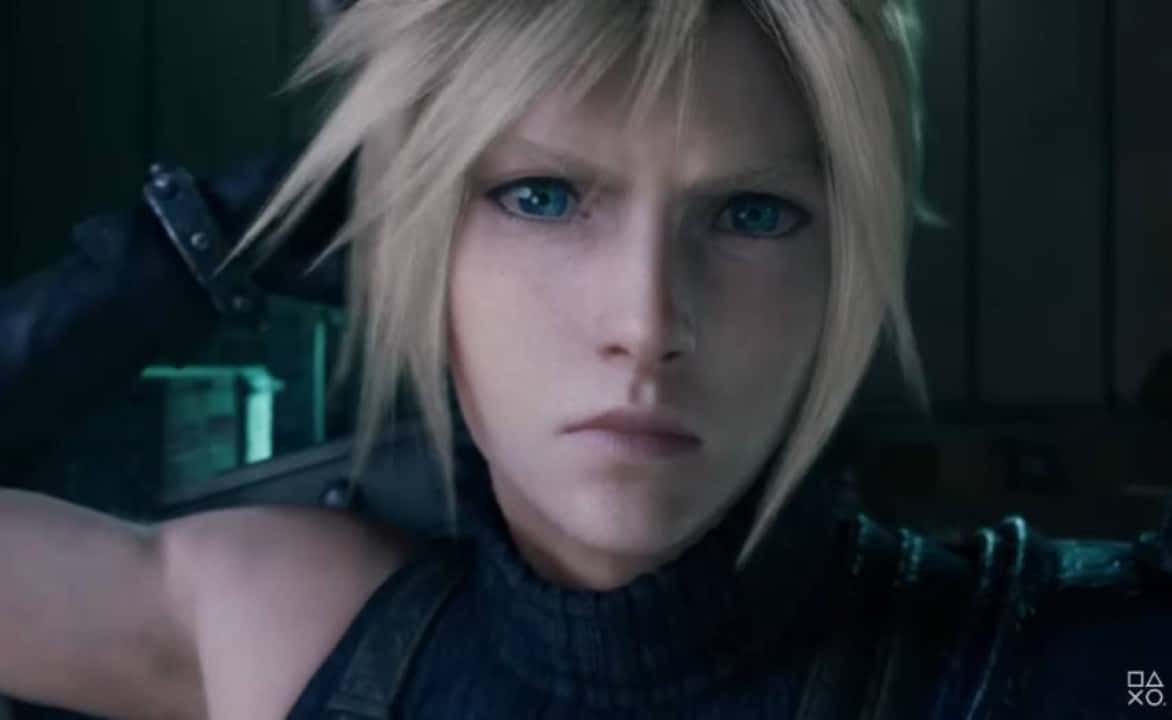
Square Enix has officially made a significant transformation in its distribution approach for the conclusion of the Final Fantasy VII Remake project trilogy. The third and final chapter of the saga will not follow the temporary exclusivity model that marked previous releases, arriving simultaneously on PlayStation 5, Xbox Series X|S and PC. The decision marks an inflection point in franchise management, prioritizing immediate global reach over restrictive platform agreements.
This new guideline aims to maximize financial return in the first few weeks of sales, a critical period for overproductions in the RPG genre. By making the title available on all major high-performance platforms on opening day, the Japanese developer hopes to capitalize on the total installed base of consoles and computers, eliminating waiting windows that have historically fragmented the gaming community and reduced the commercial impact of late releases.

The confirmation ends months of speculation about the game’s fate in the Microsoft ecosystem and on personal computers. The strategy reflects a modern industry need to amortize the rising costs of developing AAA games, making exclusivity a difficult financial barrier to justify, even for brands with the historical weight of Final Fantasy.
Cross-platform strategy and technical optimization
The development of the final chapter is being conducted with a technical architecture designed to support multiple hardware from the beginning of the project. The production team maintained the core technology used in “Rebirth” but implemented critical workflow optimizations to ensure that the PC versions of Xbox achieve visual and performance parity with the console version of Sony.
To enable this simultaneous launch, Square Enix reinforced the use of advanced tools and scalable graphics engines. Continuity of development tools allowed software engineers to focus on adapting code to different hardware specifications without compromising the schedule. Entre The technical priorities highlighted by the team are:
– Implementação native upscaling technologies such as DLSS and FSR to ensure stable frame rates on computers with varying configurations.
– Otimização of asset loading to take advantage of the speed of both Xbox Series X and PS5 SSDs, eliminating loading screens.
– Adaptação complete set of controls and interfaces for the Xbox ecosystem, ensuring that the user experience is intuitive and does not feel like a simple conversion.
– Simultaneous Lançamento in digital stores Steam and Epic Games Store, avoiding the store exclusivity that marked previous releases on PC.
The decision to unify development reduces post-launch logistical complexity. Anteriormente, teams needed to dedicate additional months to porting the game after the exclusivity period, which divided resources and attention. Agora, the total focus is on delivering a polished product for all platforms by date zero.
Impact on the market and end of exclusivity
The inclusion of Xbox at launch represents a significant victory for Microsoft’s gaming division, which has sought parity in its treatment of major Japanese RPG franchises for years. The absence of the previous titles in the trilogy on the console at the time of launch was a constant point of friction, creating a perception that the platform was secondary for fans of the genre. With this change, the barrier is broken down, allowing users of the Xbox ecosystem to access full content without delays.
For the PC market, the news is received with equal enthusiasm. The computer community often waited six months to a year to receive Final Fantasy conversions, often experiencing teething technical problems. The promise of a simultaneous release suggests a greater commitment to the quality of the release for Windows, treating it as a primary platform rather than a residual market.
Industry analysts point out that this move by Square Enix is a reflection of the economic realities of game production in 2026. With budgets that exceed hundreds of millions of dollars, restricting the consumer public to a single box of hardware has become a high-risk equation. Selling software on multiple fronts is now essential to guarantee the sustainability of studios and the financing of future ambitious projects.
Consolidation of the narrative and expectations
The conclusion of the trilogy promises to tie up all the loose ends left by the first two games, offering a definitive conclusion to the reinterpretation of the story of Cloud Strife and his allies. The narrative, which has already demonstrated that it diverges from the 1997 original in key points, should further explore the creative freedoms allowed by the remake format, now with the guarantee that the entire fan base will be able to experience the outcome at the same time, avoiding spoilers resulting from staggered releases.
The unification of platforms also benefits the community aspect of the game. Discussões, theories and the production of online content will occur synchronously globally, increasing engagement on social networks and keeping the title in the spotlight for longer. Square Enix is betting that this unified “buzz” will generate a virtuous cycle of sales, attracting even players who did not follow previous releases at the time of their respective debuts.
