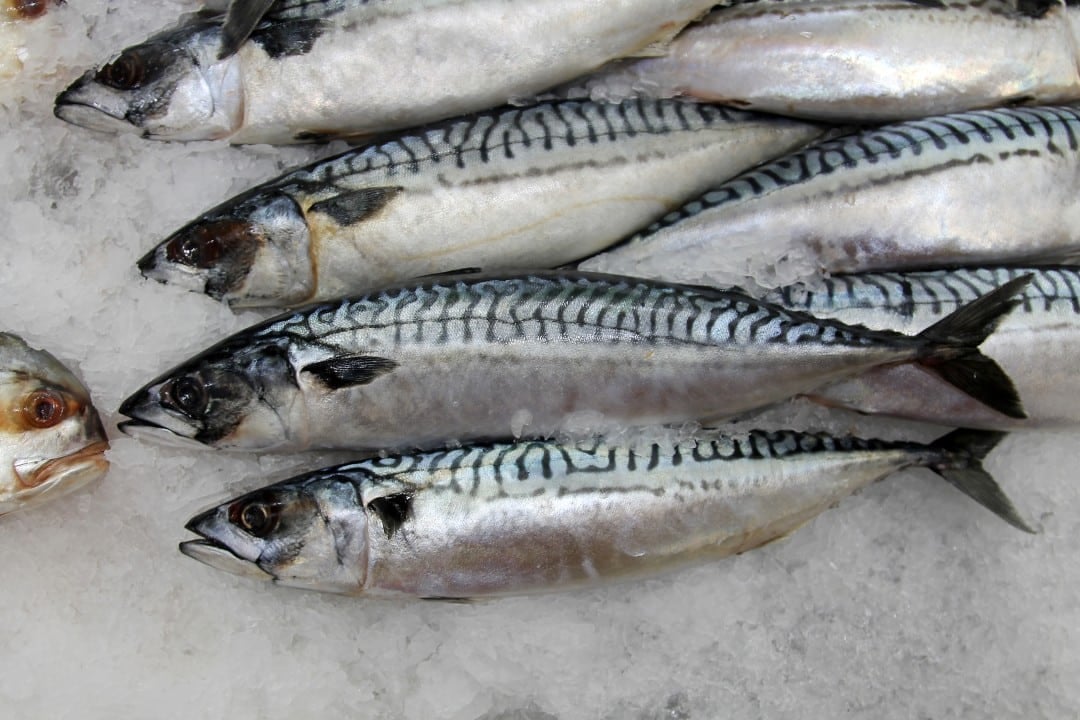
Consumidores e especialistas em nutrição voltaram suas atenções para uma alternativa marinha que promete desbancar opções nobres do topo da lista de superalimentos. Dados recent food composition studies highlight that mackerel, a fish often underestimated in fishmongers and supermarket shelves, has a higher concentration of essential fatty acids than that found in salmon. The discovery reinforces the importance of diversifying the diet with wild-caught species, which offer high nutritional density at a significantly lower cost to the household budget.
The appreciation of this fish occurs at a time when the search for longevity and cardiovascular health dominates global food agendas. Enquanto salmon has held the title of king of omega 3 for years, new comparative analyzes show that smaller, cheaper species can offer twice the benefits per serving. Mackerel, abundant in temperate and tropical waters, appears as a practical solution to meet the daily need for good fats without the need for artificial supplementation.
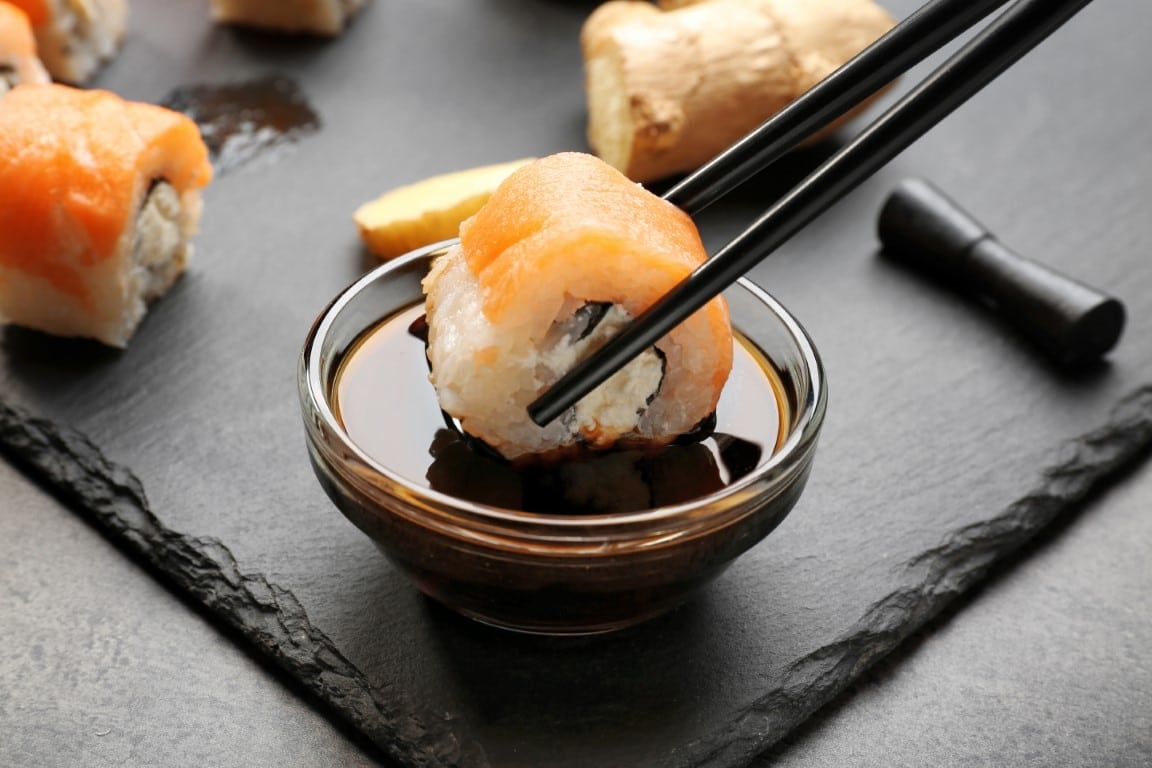
In addition to the economic advantage, the inclusion of this fish in the weekly menu represents a direct benefit for public health, considering the increasing rates of inflammatory and heart diseases. Nutricionistas point out that easy access to this food can democratize the prevention of chronic pathologies, allowing families from different income brackets to have access to a high-quality biological protein.
Nutritional superiority proven in data
Laboratory analyzes indicate a striking disparity in the concentration of beneficial lipids between the species analyzed. A standard 100-gram serving of mackerel can contain more than 5,000 milligrams of omega-3, a substantially higher amount than the average found in farmed salmon, which is around 2,200 milligrams. Essa difference positions the smaller fish as a much more efficient source of EPA and DHA, essential acids for maintaining brain and vascular functions.
The impact of these numbers on human health is vast, influencing everything from reducing triglyceride levels to stabilizing blood pressure. Regular intake of these polyunsaturated fats directly reduces systemic inflammatory processes, offering robust protection against the development of arrhythmias and the formation of plaque in the arteries. Para individuals seeking to optimize heart health through diet, swapping or alternating between salmon and mackerel proves to be a smart, evidence-based strategy.
Vitamin profile and immune defense
It is not just in terms of fat count that mackerel demonstrates superiority; its micronutrient profile is equally robust. Fish is an exceptional source of vitamin D, a nutrient that a large part of the world’s population has in insufficient levels. The presence of this vitamin is crucial for calcium absorption, bone strengthening and modulation of the immune system, making the food an important ally in preventing infections and maintaining skeletal structure throughout aging.
Complementing the nutritional framework, fish offers generous doses of B vitamins, essential for energy metabolism and the health of the nervous system, as well as minerals such as selenium. Este last acts as a powerful antioxidant, protecting cells against oxidative damage and supporting proper thyroid function. The combination of vitamin E and trace minerals transforms the food into a natural cellular defense complex.
Sustainability and versatility in cooking
From an environmental point of view, choosing small fish such as mackerel presents significant advantages over intensive aquaculture of large predators. As it is mostly a wild-caught species, it does not depend on processed feed and has a life cycle that allows for faster population replacement in the oceans. Isso results in a reduced ecological impact and a final product free of dyes or antibiotics often associated with industrial fish farming.
In gastronomy, the versatility of fish allows it to be incorporated into various dishes, from simple roasts to sophisticated preserves. X__NM0____ The attractive cost-benefit, combined with the ease of preparation and the elite nutritional profile, consolidates mackerel as one of the smartest choices for the modern consumer who seeks to combine health, economy and environmental responsibility on the plate.
