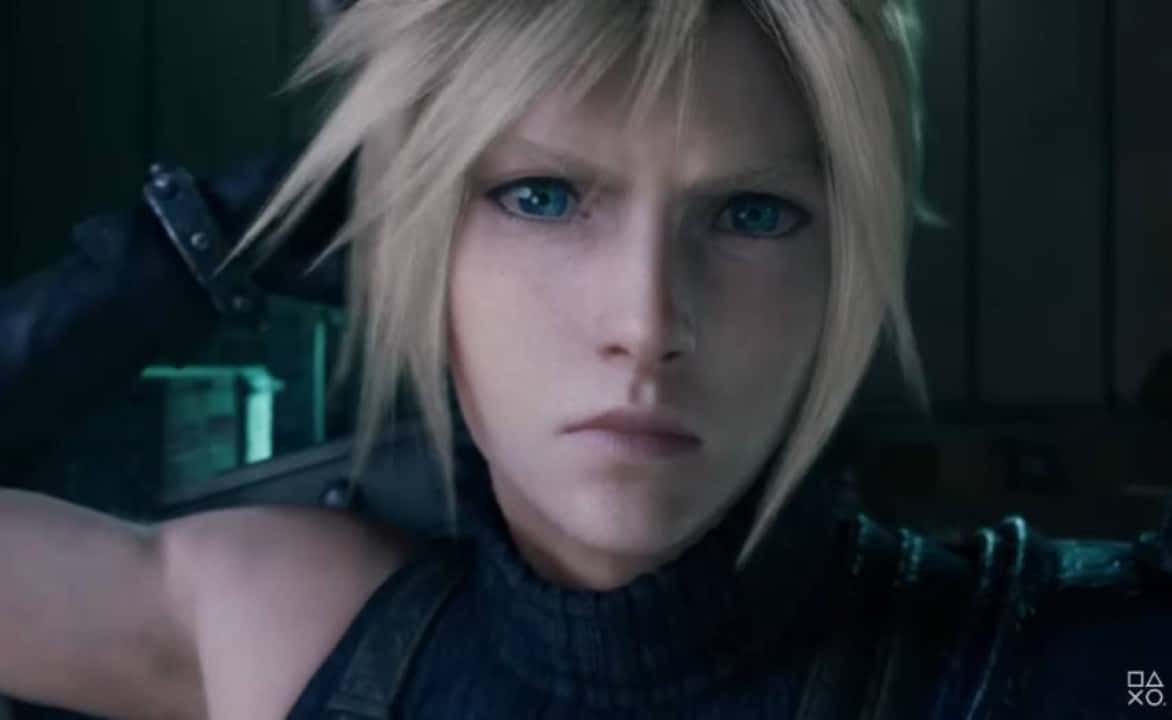
Japanese producer Square Enix confirmed a profound change in its approach to the market by announcing that the final chapter in the trilogy of recreation of the classic 1997 RPG will have a simultaneous release on multiple platforms. The decision ends a long period of restricted agreements with the PlayStation manufacturer and establishes a new commercial guideline for the company’s major franchises. The movement aims to mitigate financial risks and expand the consumer base on the first day of sales, encompassing competing ecosystems that previously had to wait months or even years to receive titles. The change reflects a necessary adaptation to the high production costs of big-budget games, known as AAA, which require increasingly rapid and voluminous financial returns to justify their prolonged development cycles. The digital entertainment market is going through a phase of restructuring, where maximizing profits outweighs loyalty to a single piece of hardware.
The new distribution model will cover the main current generation machines, ensuring immediate access to a significantly larger portion of enthusiasts. The simultaneous launch strategy breaks a paradigm established since the beginning of the recreation project.

Platforms confirmed to receive the game on launch day include the following hardware options:
* PlayStation 5, maintaining the franchise’s original consumer base.
* Xbox Series X and Series S, marking the simultaneous debut on the Microsoft platform.
* Computadores personal, through digital stores with a large global reach.
Change in the developer’s commercial strategy
The change in the distribution format occurs after a rigorous analysis of the financial results obtained with the previous releases of the franchise and other major titles by the company. Relatórios recent fiscals demonstrated that temporary exclusivity, although profitable in terms of initial licensing agreements, severely limited the long-term sales ceiling. The second chapter of the trilogy, as well as other major productions by the developer, faced difficulties in achieving internal commercialization goals, generating a warning about the sustainability of the business model focused on a single installed base. The transition to a multiplatform format aims to correct this gap, allowing the astronomical development costs to be diluted by a much greater volume of copies sold in the first few weeks, a crucial period for the commercial success of any interactive entertainment work. The company’s leadership has established an aggressive restructuring plan, focused on phasing out exclusive contracts in favor of an unrestricted, global presence, ensuring that no potential fan is left out at a time of increased advertising engagement.
Financial performance and internal restructuring
Sales figures for recent productions served as a catalyst for this corporate transformation. Limiting itself to a single desktop console reduced the organic reach of marketing campaigns, forcing the company to recalculate its profit projections for the next fiscal years. The absence of a competing computer and console player base at the time of launch resulted in a loss of commercial momentum, something the new guideline seeks to eliminate completely, ensuring a more robust capital injection in the launch quarter.
To make this new phase viable, the developer underwent an internal restructuring, optimizing its programming teams to deal with multiple hardware architectures simultaneously. The process involved hiring software conversion specialists and updating creation tools, ensuring that the final product maintains the same standard of visual quality and performance, regardless of the machine chosen by the end consumer. Technical alignment has become an absolute priority in the production company’s offices.
Technical development for multiple architectures
Creating a game for different ecosystems requires detailed technical planning from the initial design phases. The software engineering team adopted updated graphics engines capable of dynamically scaling resolution and frame rate. Essa approach avoids processing bottlenecks common in poorly optimized conversions.
This technological flexibility allows the title to take advantage of the maximum processing power of high-end graphics cards on computers, while maintaining a stable refresh rate on desktop consoles. The solid-state storage architecture is extensively exploited to eliminate loading times while maintaining the fluidity of the narrative.
The developers also implemented advanced artificial intelligence systems to manage the behavior of non-playable characters and the physics of the environments. Source code standardization makes it easier to apply updates and bug fixes simultaneously across all platforms, unifying technical support.
The end of an era for desktop consoles
The breaking of the exclusivity of one of the industry’s most iconic brands signals a profound change in the way hardware manufacturers attract their consumers. Historicamente, games with wide appeal were used as the main tool to boost the sale of specific devices. The new reality requires rapid adaptations from technology giants.
With production costs rising, keeping a title restricted to a single platform has become a high financial risk operation. The companies that finance these works require return guarantees that only a global launch can offer. The old business model no longer supports the current expense spreadsheets of large corporations.
Microsoft, with its Xbox platform, directly benefits from this new policy, adding a major title to its catalog without the need for complex late licensing negotiations. Immediate availability strengthens the brand’s ecosystem. The platform’s managers see these moves as a victory for accessibility.
For the PlayStation manufacturer, the loss of exclusivity represents a challenge in maintaining its market dominance. The company will need to invest further in its internal studios to ensure its console continues to offer unique experiences. The competition for consumer attention is becoming increasingly fierce in the technology sector.
Expectations from enthusiasts and community
Public reception to the announcement of a multiplatform release has been largely positive, especially among users of computers and the Microsoft console. The elimination of the hardware barrier allows groups of friends with different devices to share the gaming experience at the same time, encouraging discussions and engagement on social networks in a unified way.
The computer game modding community also awaits the simultaneous arrival of the title with great interest. The possibility of changing visual and mechanical aspects of the work on the first day adds an extra layer of longevity to the product, keeping the public’s interest active for much longer and generating continuous organic advertising.
Competition movements in the market
Square Enix’s decision puts pressure on other major Japanese publishers who still maintain strict exclusivity agreements. Close observation of the financial results of this simultaneous launch will dictate the pace of future negotiations in the digital entertainment industry, forcing a reevaluation of current contracts across the sector.
Rival companies are already beginning to review their own launch schedules, seeking to align their strategies with the new reality of a globalized and borderless hardware market. The trend points to a standardization of the multiplatform format as an absolute rule, transforming exclusivity into an increasingly rare and costly practice.
Next steps for the main franchise
The closure of the recreation trilogy does not mark the end of investments in the brand, but it establishes a new technical and commercial standard for the company’s future projects. Creative teams are already working on preliminary concepts for new adventures, all designed from day one with a universal reach mindset. Essa approach ensures that intellectual property continues to expand its cultural and financial relevance on a global scale, without the shackles of restrictive hardware contracts.
